



Top 7 Ways You Can Avoid A Water Heater Disaster!
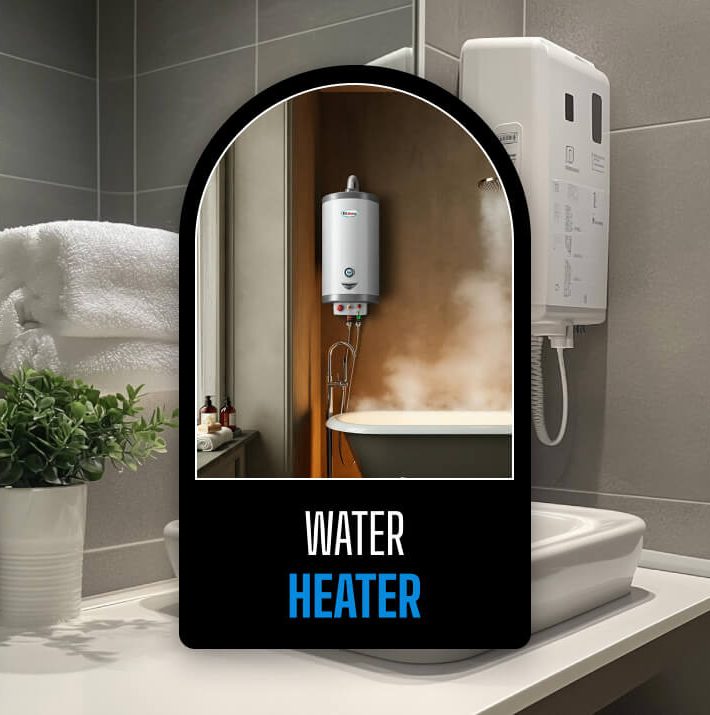
Winter is coming, and nothing is worse than stepping into a cold shower. Your reliable water heater works day and night to keep you warm and comfortable.
But as it says, any hard worker needs some care.
In this blog, I’ve discussed some very simple yet necessary water heater tips. We’ll see easy, regular maintenance tips, and you know how to note possible problems.
With simple steps, your water heater will stay in good condition, saving you unnecessary money and trouble later on.
Alright then, let’s get rolling and forget all these winter blues.
Types of Water Heaters
There are various types of water heaters you may find on the market. So, you can choose the water heaters that meet your needs. Read on to find out the top types:
Storage water heaters
The most common type of heater comes with a large tank.
These heaters are adequate for your everyday use. However, it may not be enough for a huge number of guests or users.
Tankless or demand-type water heaters
These heaters usually heat water directly. There is no storage tank.
You can use these heaters to provide enough water without running out.
Solar water heaters
These heaters primarily use solar heat to provide hot water. Solar water heaters can be the most energy-efficient and eco-friendly option for you.
Heat pump water heaters
These heaters move heat from one place to another rather than generating direct heat.
The heat pump water heaters are more efficient than electric resistance water heaters. However, these are also very expensive to purchase.
- Gas water heaters: These water heaters use gas to heat water.
- Electric water heaters: These water heaters use electricity to heat water.
How Water Heaters Work?
Water heaters primarily heat cold water and store it in a tank. There are heaters that heat water on demand without a storage tank.
Storage water heaters usually have a tank that stores hot water. This hot water is released when you turn on the hot water tank.
The cold water mainly enters the tank at the bottom through a tube. Furthermore, it is heated by a burner or element.
After that, the heated water rises to the top of the tank and is discharged through the hot-water outlet.
On the other hand, tankless water heaters heat the water when there is a demand for it. When you turn on the hot water tap, the cold water starts to flow through the heat exchanger.
During this process, the water is heated by water or any similar element. The tankless water supply provides a continuous supply of water. However, it has very limited flow.
Here Are Seven Prime Ways To Avoid A Water Heater Disaster:
1. Never Ignore Issues
Water heater issues such as unfamiliar noises (like popping, rumbling, or high-pitched whining), leaks, or even a metallic taste in your water, or reduced hot water production are warning signs of a problem.
If you notice any of these problems, don’t ignore them.
Call plumbing repair experts to have a look as soon as possible. Other minor issues, such as sediment buildup, can be fixed with a simple flush.
However, if you wait too long, the problem could worsen.
2. Know the Age of Your Water Heater
The average lifespan of a water heater is 8 to 12 years. If your unit is getting older, it’s more likely to experience problems.
Have a professional inspect it regularly to catch any issues before they become significant.
Replace the heater before it completely breaks down to avoid being left without hot water.
Go for a system that adequately meets your household’s needs, such as a tankless water heater. An energy-efficient model will help you save on utility bills.
3. Don’t Overlook Maintenance
Flushing your water heater regularly is one of the most critical maintenance tasks.
This simple task removes sediment from the bottom of the tank, which can cause problems such as decreased hot water production and a shortened lifespan.
Most manufacturers recommend flushing once per year.
If you have hard water, flush more often. Other tasks include checking the anode rod and keeping the area around the unit clear of debris.
Remember to shut off the power before performing any maintenance tasks.
4. Check the Temperature
If your water heater is set too high, it could be a safety hazard. The U.S. Consumer Product Safety Commission recommends setting temperatures no higher than 120 degrees
Fahrenheit to prevent scalding. Doing this will also save on utility bills. Adjust the temperature by locating the thermostat on the unit and setting it to the desired temperature.
Pro-Tip: If your water heater is in a cold garage or basement, consider an ‘insulation blanket.’ It’s a cheap way to keep the heat inside the tank, almost like giving your heater a winter coat!
5. Be Careful About What You Store Nearby
Don’t store flammable liquids like gasoline or propane near your water heater. If there’s a gas leak, it could cause an explosion.
Also, keep the area around the unit clear of clutter to prevent accidental fires. If you have a gas water heater, ensure proper ventilation.
6. Check Whether There’s Rusting
Rust on the water heater is due to corrosion of the metal tank. It’s often caused by hard water or sediment buildup in the tank.
Extensive rusting leads to leaks. Eventually, the tank will need to be replaced.
To prevent this, flush the water heater regularly and have it inspected by a professional every few years. Also, install a water softener if you have hard water.
7. Inspect The Sacrificial Anode Rod
The sacrificial anode rod protects the water heater tank from corrosion. Over time, the anode rod will rust, requiring a replacement.
Replacing is a simple task that you can do yourself.
Simply remove the old rod. If it looks like a chewed-up piece of wire or is covered in calcium ‘crust,’ it’s definitely time for a new one. This little rod is the ‘bodyguard’ of your tank!
Choosing The Right Water Heater For Your Home
Here is a list of factors to consider when buying a water heater:
- Capacity Make sure the water heater fits the hot water demand of your household. Besides just the number of people, you should consider the frequency of hot water usage.
- Energy efficiency Choose a water heater with a higher energy factor (EF) as it leads to lower energy bills.
- Safety Inquire about the safety features of various models. Some other advanced safety measures include pressure relief valves, automatic shutoffs as well as shock-resistant plugs which can detect leaks.
- Make sure that you will have enough space for the water heater you decide to purchase.
- Besides fuel price and accessibility, you should also consider the environmental impact of your fuel choice.
- Aesthetics Water heaters may come in a variety of colors and other design features. So, you can select the one best matching your kitchen and bathroom or simply choose the one you like most.
- Features Water heaters nowadays come with features like digital displays, smart alerts, and remote controls.
Common Water Heater Problems And How To Fix Them
Water heaters are important, but they can cause problems. Common problems include no hot water, unusual sounds, or water that is too hot or not hot enough.
If you have no hot water, check the thermostat or pilot light.
Strange sounds might indicate sediment buildup, which you can remove by draining the tank.
If the water temperature changes a lot, a broken thermostat or heating element might be the cause.
Before you start poking around your heater, remember: safety first! Always turn off the power (at the circuit breaker) or the gas supply before doing any maintenance.
If you are ever unsure, don’t risk it—call a licensed plumber. Your safety is worth way more than a DIY project!
Specific red flag signals:
Rusty Water: If your hot water looks brown or tea-colored, but the cold water is clear, your tank is likely rusting from the inside out
The ‘Rotten Egg’ Smell: If you have a gas heater and smell sulfur, leave the house immediately and call the gas company. Never ignore a weird smell near a gas appliance.
Maintenance Tips To Extend The Life Of A Water Heater
Inspect the tank annually, clean it to remove any sediment that has been building up, check the anode rod for corrosion, and assess whether the valves leak.
Cleaning and maintenance should be performed regularly around the water heater.
If it’s more than 10-15 years old, it’s time to replace the water heater. Its high energy bills or constant repairs indicate that it’s time to replace the unit.
Benefits Of Upgrading Your Water Heater
Upgrading your water heater offers some great benefits. First, you’ll enjoy energy savings.
Newer water heaters are built to be way more efficient, which means lower bills for you every month.
Whether you choose to repair or replace, taking action now ensures you won’t be stuck with a freezing shower when the snow starts to fall!
You’ll notice a significant difference in costs, especially if your old water heater was outdated.
Another benefit is improved performance. New water heaters heat up faster and maintain a more consistent temperature.
This makes you less likely to run out of hot water and reduces temperature-related problems.
Upgrading does not cause harm to the environment. Modern water heaters are made to be environmentally friendly.
They use less energy and emit fewer carbon emissions than older models. Making the switch will improve comfort and efficiency at home, reducing your overall environmental footprint.
Cost Considerations For Installing And Maintaining A Water Heater
Cost factors still play a role in the installation and maintenance considerations for a water heater.
The installation of a new water heater depends on the model and size chosen.
Tankless models or energy-efficient heaters are pricey upon installation, but you will save money in the long term because your energy bills will be lower.
Traditional tank water heaters are less expensive to install but less energy efficient.
Maintenance costs should also be included. Generally, regular maintenance can extend the life of your water heater, and some have even saved money by preventing expensive repairs.
Some of these include flushing the tank, checking the anode rod, and inspecting the heating elements.
These are relatively low-cost but necessary to keep your system running at optimal levels.
Although the initial investment would be a little higher, a good energy-efficient water heater can start saving you money over time because it uses less energy and has fewer breakdowns.
Know When To Call A Professional
While you can do some simple maintenance tasks yourself, a professional should handle more complex issues such as leaks or strange noises. It’s better to be safe than sorry.
Take time to learn how the unit works and what maintenance it requires. You’ll catch problems early on, preventing disasters.
More Resources:


Leave A Reply