




When an Old Layout No Longer Matches Modern Living

Homes really mirror how we live, don’t they? Back decades ago, houses got built for a whole different rhythm of life.
Think tiny kitchens, dining rooms tucked away on their own, living spaces boxed off from everything else; that was the norm in those older floor plans.
Hence, families stuck to the script: cook in the kitchen, eat in the dining room, unwind in the living room. Simple as that.
These days, though, lifestyles have shifted gears. Plenty of households crave open setups where you can cook, work from home, kick back, or chat with friends all in one flowing space. As our daily habits change, and they do—those old layouts start feeling a bit like a straitjacket.
Homeowners sense it: the house’s bones just don’t line up with how they want to move through life anymore.
Moreover, homes and spaces are about the legacy you have inherited from your ancestors and the legacy you shall leave for your descendants.
Thus, it should be an amalgamation of the old and the new. In this article, we will learn how to combine traditional and modern designs.
How To Combine Traditional And Modern Design? Things To Keep In Mind
The people renovating a house should keep certain things while renovating the old with the new. Hence, here are some of the most common ways to amalgamate the old with the new.
Keep these things in mind to provide your old space with a modern look.
1. Why Older Home Layouts Feel Different Today?
Houses from several decades back leaned hard on distinct room separations. Walls went up everywhere for privacy and that sense of order.
Kitchens stayed compact since they were just for work, not hangouts. Living and dining rooms had their set roles, nothing too adaptable.
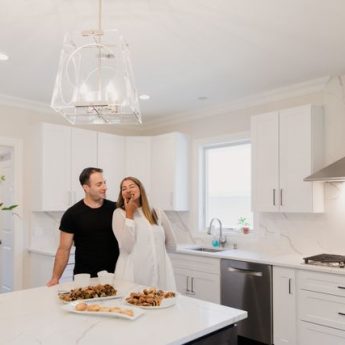
Now? Folks want things linked up, open. Families love when the kitchen spills into the living area, making it easy to talk while stirring a pot or sharing a meal.
Throw in remote work, quick bites at the counter, rooms that pull double duty, and modern design bends to fit.
Moreover, a plan from way back might not play nice with any of that without some serious tweaking.
Hence, light and flow make another big gap. Newer layouts let sunshine pour through multiple spots at once, thanks to fewer barriers.
Older ones? All those walls and snug rooms can trap the dark, leaving the place feeling cooped up, you know?
2. When Layout Changes Start Becoming Expensive?
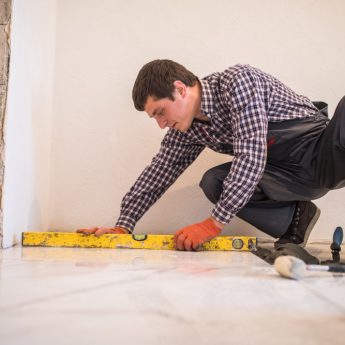
Tweaking an old layout means diving into heavy-duty construction. Hence, knocking out walls, shifting plumbing, and rewiring all demand smart planning and pros on the job.
Hence, not every wall’s a fair game. Moreover, the load-bearing ones stay put, further complicating things.
Moreover, homeowners poke around renovation ideas, and later, you realize the scale. Thus, bumping out the kitchen, cracking open the living space, reworking the whole floor plan?
Hence, permits, contractors, weeks, or months of dust and noise. Expenses snowball fast once you touch structure.
That’s when some pause and wonder whether pouring cash into this makes sense in the long term.
Instead of a full overhaul, why not sell and snag a place already dialed in for today?
Outfits like Next Step House Buyers help folks skip the remodel headache and just step forward.
3. Signs A Layout No Longer Fits Daily Life
When a layout’s out of sync with your routine, the clues pile up. Unused corners scream it loudest, formal dining rooms or fussy sitting areas gathering dust most of the year.
Meanwhile, other spots cram tight because there’s no give in the design. Hence, inconvenience hits next during the daily grind.
You’re chopping veggies in a shut-off kitchen while the family’s elsewhere, feels pointlessly divided, right? Guests over? Hard to chat across walls.
Family time? Same issue. Storage woes crop up, too, in those vintage setups.
Thus, they weren’t built for today’s clutter, think skimpy cabinets, shallow closets, utility nooks that barely cut it compared to what we take for granted now.
4. How Modern Layouts Support Flexible Living?
Modern floor plans zero in on flexibility. Open zones let you pivot one space for cooking, eating, lounging—whatever, all while keeping everyone connected.
Multi-use rooms are everywhere these days. That one spot? Home office today, craft corner tomorrow, guest crash pad next week. No big demo needed to switch it up.
Visual flow’s a perk too—fewer walls mean light dances through the whole house. Rooms stretch out, feel airy and inviting. Perfect for family hangs or having people over; homeowners eat that up.
5. Renovate Or Move: Decisions Homeowners Often Consider
Outdated layout nagging at you? Homeowners usually weigh two routes. Renovation’s one: rip out walls, stretch rooms, rethink insides to make the place hum anew.
It can pay off big. Turn a poky kitchen into a hub, blend rooms into one big breathe-easy zone. You keep your spot, mold it to fit.
Or skip it and move to something fresh off the press with open plans, roomy kitchens, and spaces that flex.
Hence, for those dodging construction marathons, it’s the fast track.
6. Real Estate Value And Changing Layout Preferences
Layout vibes sway property prices, no doubt. Buyers feel it the second they step in. Open, workable flow draws crowds. It matches how we roll now.
Hence, old-school setups? They click for fans of classic looks. Others eye them as fixer-uppers. Location, lot size, and upkeep still tip the scales on who bites.
Sellers smartly scout options before making big spending decisions. Checking local tastes helps nail if fixing up or flipping beats the other.
Moving Toward A Home That Fits Today’s Lifestyle
Homes grow with us, or try to. What clicked years back can turn clunky as habits shift, tech creeps in, and trends evolve. Spotting that mismatch? Key to smart choices.
Some roll up sleeves for renos. Others go easy, sliding into a ready-made fit for now. Either way, you land in a spot that’s comfy and works.
Hence, today’s vibe prizes open sightlines, bendy spaces, and easy light. Is the layout lagging there? Time to scout fresh paths toward a home that actually suits you.
Frequently Asked Questions (FAQs)
Here are the answers to some of the most commonly asked questions, including “how to combine traditional and modern design?”
Yes, it shapes perceptions right away. Modern shoppers hunt for open, adaptable layouts, like kitchens that flow into living zones, for real-life ease.
Bunch of tiny, walled-off rooms? Some pass, deeming it a hassle. On the other hand, others bite if they spy a Reno promise.
Renovation boosts functionality and wow factor, but it’s not a must-do. Wall demos or expansions?
Pricey, drawn-out. If that doesn’t jibe with your timeline, skip it—sell as-is. Frees you up fast, no reno drag.
Absolutely, some seek ’em out. Fixer fans love tweaking to today’s taste. Groups like Next Step House Buyers team up with sellers, dodging updates.
Hence, they gauge the full package, offer paths minus the heavy lifting.


Leave A Reply