





Stages Of Buying A House: What Your Estate Agent Might Not Tell You
Buying your own home is a massive milestone, but the process can often feel like a complex maze without a map.
Between saving for a deposit and finally turning the key in the lock, there are several critical steps that require careful planning and a bit of “detective work.”
From understanding your true budget to navigating the legal paperwork, being prepared is the best way to move into your new place with confidence.
Whether you are a first-time buyer or looking for your forever home, knowing what to expect at each turn can turn a stressful rollercoaster into an exciting adventure.
Here is our friendly, step-by-step guide to the stages of buying a house to help you navigate the journey smoothly.
Stages Of Buying A House: A Step-By-Step Process
Buying your own home is a massive milestone. However, the process can feel like a maze without a map.
Here is our friendly guide to the stages of buying a house to further help you get started. This way, you can move into your new place with utmost confidence.
Step 1: Saving Up Your Deposit

First things first, you will need some cash tucked away. Well, usually banks require at least 5% of the house price as a deposit.
However, you will often get much better interest rates if you can save 10% or more. This means lower monthly payments for you.
You further need to speed things up. For this, you can check out a Lifetime ISA.
The government adds a 25% bonus to your savings if you are eligible! On top of that, do not be afraid to ask for help from the Bank of Mum and Dad if that is an option!
You can also consider teaming up with a partner or friends to pool your money together.
Moreover, you can also look into government programs like Shared Ownership if saving is still proving tough.
Step 2: Figuring Out Your Budget
You need to know what you can actually afford before you start scrolling through house listings.
Moreover, most lenders will offer you between 4.5 and 5.5 times your annual salary.
However, keep one thing in mind: they also consider your “affordability”! Basically, how much money you have left over after paying your bills and buying groceries.
It is a smart move to use an online mortgage calculator to get a rough idea of your numbers.
After that, we highly recommend chatting with a mortgage broker.
Moreover, they are experts who can find the best deals for your specific situations. Especially if you are self-employed or have a tricky credit history.
Also, you have to remember that the house price is not the only cost. You will need extra cash for things like
- Stamp Duty (a property tax),
- Legal fees,
- Moving vans.
These “hidden” costs can add up to 15% to the purchase price, so plan ahead!
Step 3: Getting Your “Golden Ticket”
Now that you know your budget, it is time to get a “Mortgage in Principle.” You can think of this as a “maybe” from a bank.
Moreover, it is a document that says, “Based on what we know, we would be happy to lend this person £X amount.” This document makes you look like a serious buyer.
Moreover, the seller is much more likely to pick you if they know you have already done your homework, when you find a house you love, and further make an offer.
You just need to remember one thing: you will not be able to do the final, official mortgage application! Not until after a seller accepts your offer.
The stages of buying a house can be a bit of a rollercoaster. However, taking it one step at a time makes everything much more manageable.
Now that you have got your budget sorted, the real adventure begins! The next stages of buying a house involve a bit of detective work and savvy negotiating. Here is how to navigate the middle of the journey.
Step 4: Finding Your Ideal Home

Finding the right house is about more than just a pretty kitchen. It is about the lifestyle that you are seeking!
If you are looking at a new area, you have to spend some time there first! This way do not end up unsatisfied later.
Once you have picked a spot, you need to get local estate agents on your side! They often know about houses before they even hit the internet!
Pro Tips for Your Search:
Ask Questions
Don’t be shy! You must ask about
- the neighbors,
- Why the owners are moving, and
- if the property is “freehold” (you own the land) or “leasehold” (you pay a landlord).
New Builds
If you are buying a brand-new home, you have to do your homework. This way, you can avoid “new build nightmares.” Furthermore, you can thoroughly check the builder’s reputation.
The Chain
If you already own a home, selling it first can make you a “chain-free” buyer. Sellers love this because it is less risky.
Step 5: Making An Offer
When you find “the one,” it is time to talk numbers. Don’t just guess!
Instead, you can conduct research on what similar houses nearby have recently sold for.
Usually, starting with a lower offer is a smart move since it gives you room to haggle.
Moreover, you must always put your offer in writing and mention if you are a first-time buyer. This is what makes you a very attractive candidate.
Crucial Warning:
Even if your offer is accepted, the deal is not “legally” done until later. Thus, you need to watch out for “Gazumping” (where someone outbids you at the last second).
Furthemore, you can also consider Home Buyers Protection Insurance.
This can help you to protect yourself. This way, you do not lose money on fees if the sale falls through.
Step 6: Sorting Your Official Mortgage
Once the seller says “yes,” you need to turn that “Mortgage in Principle” into a real mortgage.
So, for this, you need to go back to your broker immediately to start the full application.
Moreover, the bank will send a surveyor! They basically check if the house is actually worth what you’re paying.
If they “down-value” it (say it is worth less than your offer), you might need to renegotiate the price with the seller.
Furthermore, this is a great time to consider life insurance to ensure your family is protected.
Step 7: Hiring A Legal Expert (Conveyancing)
Now, you will need a solicitor or a conveyancer to handle the legal “paperwork” side of things.
Moreover, they check things like local planning rules and “disbursements” (third-party costs, such as local searches).
How to Stay on Track:
- Compare Prices: Firstly, the fees can range from £400 to £1,500, so shop around for quotes.
- Don’t Be Forced: Secondly, you do not have to use the solicitor your estate agent recommends—often, they are more expensive.
- Communication is Key: After that, the legal stuff can be slow. Stay in regular contact with your solicitor and return your forms quickly.
This can help to keep the stages of buying a house moving smoothly.
You are almost at the finish line! The final stages of buying a house are all about crossing the T’s and dotting the I’s. It can feel like a lot of paperwork, but stay focused—you’re about to get those keys.
Step 8: Book An Independent House Survey

Your bank does a “valuation.” This is only for their benefit. You should hire your own surveyor to check the house for hidden problems.
This includes damp or roof issues. It is a smart investment that could save you thousands.
So, what if they find something?
No, do not panic! If the survey shows “red flags,” you can use the report to ask the seller to lower the price or fix the issues before you move in.
Otherwise, if you are buying a brand-new home, you can get a “snagging survey” to catch any minor mistakes the builders made.
Step 9: Exchanging Contracts
This is the big “no turning back” moment. So, when you “exchange,” you and the seller sign the legal contracts.
At this point, you are both legally committed. You will likely lose your deposit if you pull out now.
Before you sign, make sure:
- Firstly, your solicitor has checked all the “searches” and the contract.
- Secondly, you have your buildings insurance ready—it must start the day you exchange!
- Thirdly, you have agreed on a “Completion Date” (the day you actually move).
- Lastly, your deposit money is with your solicitor.
Step 10: Booking The Big Move
Now, you need to book a removal company immediately! The best ones fill up fast.
This is also the perfect time to:
- Use a moving house checklist,
- Tell your utility companies you are moving,
- Get your broadband booked.
This way, you are not sitting in a dark house without Wi-Fi on night one.
Step 11: Completion And Moving In
Now, the completion day is the best part of the stages of buying a house. This is when the money officially changes hands (usually around midday).
Moreover, once the seller’s solicitor confirms they have the funds, the estate agent will call you to say, “The keys are ready!”
Also, you can now officially unlock your new front door and start making the place your own.
Step 12: Final Paperwork And Stamp Duty
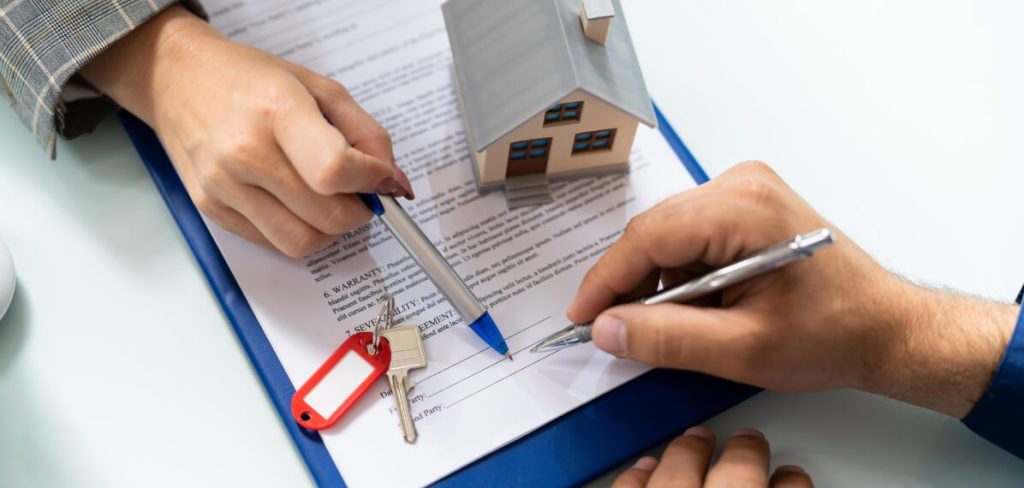
After the excitement of moving in, there are just a few boring (but important) bits left.
Now, your solicitor will send you a final bill. This usually includes their fees and your Stamp Duty (property tax).
Moreover, they will handle the payment to the government and make sure the Land Registry officially lists you as the new owner.
Congratulations! You have successfully navigated the maze and officially own your home. It is one of life’s biggest challenges, but you did it!



Leave A Reply