




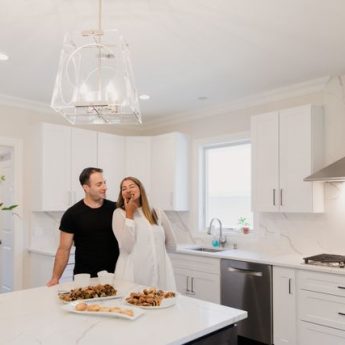

How Natural Light Changes The Way A Home Feels?
Repaint a room, and you see it the second the last coat dries. Swap the sofa, lay new flooring: same thing.
The change is loud. Light isn’t. It works on you sideways, and you tend not to notice it as it does the work.
Then you spend a week there and realize it’s behind everything. Your mood. Whether the room’s comfortable.
Which chair do you end up in at ten in the morning versus six at night? A room can feel bigger or smaller depending on nothing but the light in it. Nobody touched a wall.
Which is a strange amount of power for something most people never budget for. Most home features do one job.
Daylight does two things at once: it changes how a place looks and how it feels to stand in it.
The Silent Architect: How Daylight Remakes a Home
Strategic use of daylight acts as a silent architect, transforming the interior spaces by enhancing perceived size.
This connects indoor areas to the outside, highlighting design details.
Proper planning for natural light in homes, including optimizing windows and doors, can redefine a home’s atmosphere, making rooms feel more inviting, functional, and larger.
• Light Changes How A Room Feels
Take two rooms. Same dimensions, same layout, same floor plan traced twice. Put good light in one and not the other, and they stop being the same room.
The bright one is easy. Materials look richer, colors settle, and the place has a pulse to it even when the furniture’s identical.
The dark one sulks. It feels smaller. It feels slightly walled off from the rest of the house, and it’s burning a lamp at two in the afternoon to keep up.
Does not matter how many square meters are on the deed. It reads as boxed in.
That gap is why people chase natural light in homes when they take on an older house. You don’t always need much.
Move the right thing and the whole house shifts, not just the room you were standing in.
• Better Light Improves Everyday Living
Forget looks for a second. Light is doing practical work. You cook in it, read in it, answer emails in it, sit with a coffee in it — and every one of those is better in a room that’s actually bright.
And the light will not sit still, which is the good part. Early on, it comes in low and a bit cold.
By four, it’s turned gold, and it’s lying right across the floorboards. Nothing you wire into the ceiling reproduces that.
On its own, it sounds like nothing. Live under it for a year, and maximizing Natural Light In Homes turns out to be one of the quiet reasons a house feels alive instead of inert.
• Openings Matter As Much As Windows
Ask anyone how to get more light in, and they say windows. Fair — windows do the heavy lifting.
But they aren’t the only lever in the room, and people forget the doors entirely. The size and design of an opening count for just as much.
A well-placed custom French door pushes daylight further into the house and ties the inside to whatever’s just beyond the threshold.
All that extra glass rescues the rooms that usually get starved: a back living room, a galley kitchen, a dining space stranded down the dark end of the floor plan.
And you do not only get a brighter room out of it. The space opens up. It feels stitched into everything around it rather than shut off in its own corner.
• Light Can Make A Home Feel Larger
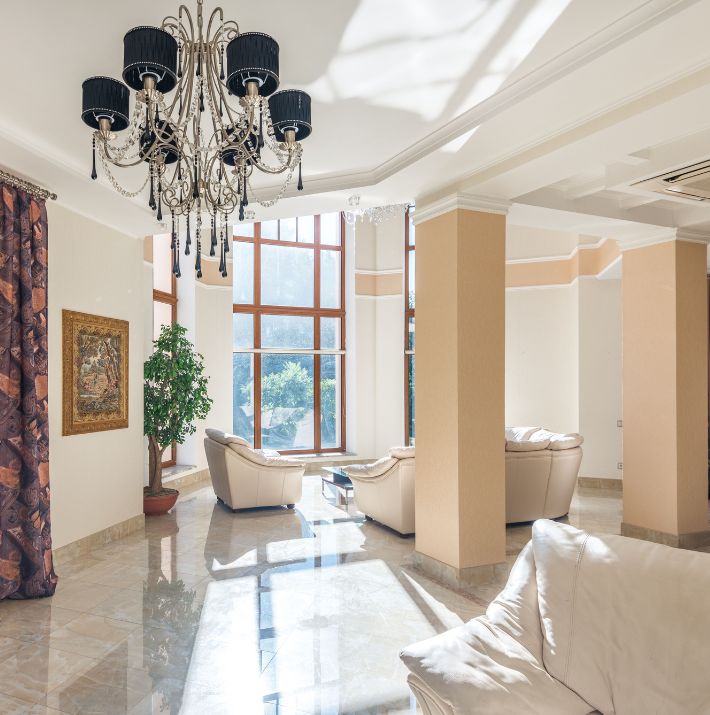
Daylight plays a trick on how we read space. A bright room feels roomier because the eye slides through it without snagging.
The shadows go soft. The corners stop pinching. The edges of the room quietly come loose.
Handy in a small house, that. Or in any room that’s genuinely tight on floor area. Light will not add a single meter — the tape measure says what it says.
However, it will make the room wear those dimensions far more generously than it has any right to.
It’s the reason a lot of clever renovations go after the daylight first and leave the walls alone.
• Indoor And Outdoor Spaces Feel More Connected
The best thing about a house full of light might be the bond it builds with the outside.
A bit of garden, the patio, a courtyard, one decent tree, any of it drags the edge of the room out past the walls.
You are at the kitchen sink, and you are still somehow in the weather, in the season, in whatever the light’s doing out there.
It settles a house, that connection. The hard line between in and out softens into something more like a handover, and the place picks up a flow it did not have.
Plenty of people rate that feeling of not being sealed off from the outside every bit as highly as the brightness that comes with it.
• Light Shows Off Good Design
Daylight has a habit of giving up a room’s secrets. Texture steps forward. The grain in the timber deepens.
Stone finds a bit of depth it was hiding. Details that flatten out to nothing under a single ceiling bulb suddenly read as character.
Half the reason a well-designed home looks refined is just this — it isn’t doing anything fancier, it’s being lit properly.
Take a plain, pared-back interior, pour enough daylight into it, and it comes across as warm and deliberate, like someone thought hard about it. Sometimes nobody did. The light did.
• A Brighter Home Feels More Inviting
People walk toward bright rooms. They don’t decide to — they just end up there.
The dinner, the friends round, the slow Sunday coffee: it all gravitates to whichever room is holding the light.
And that pulls rewrites how a house gets used. Some dead corner nobody looked at twice becomes the spot everyone fights for, and all that changed was the light reaching it.
Rarely, some grand gesture, either. A wider opening. A better view out. One small move that lets light run through the place, and a room that was written off turns into the favorite.
• Good Light Starts With Good Planning
Light does its best work when you design for it up front instead of crossing your fingers at the end.
Where the windows land, where the doors go, how the furniture sits, even which way the internal walls run, every bit of it steers how light moves through a house.
The small decisions punch above their weight here, more than people bank on.
So the updates that actually land are the ones that look past the surface stuff. They ask how the space works and how Natural Light In Homes behaves in it hour to hour.
Line those two up, and the house holds together from the first coffee of the morning to the last lamp you switch off at night.
Wrapping It Up!
Daylight does a lot more than brighten a room. It runs the mood. It lifts the comfort.
It hooks the inside of the house to the world outside, and it keeps rewriting how the place feels to live in, day after day after day.
The best homes are not the biggest, and they’re not the priciest. Usually, they’re just the ones squeezing the most out of Natural Light In Homes.
Through bigger windows, a smarter layout, a feature like a custom French door, however it gets in, more daylight pays you back well past the way it looks.
Not many improvements can lift nearly every room in the house at once. This one can.
Read Also:




Leave A Reply