




40+ Back Porch Ideas: How to Design a Beautiful, Functional, and Inviting Outdoor Space?
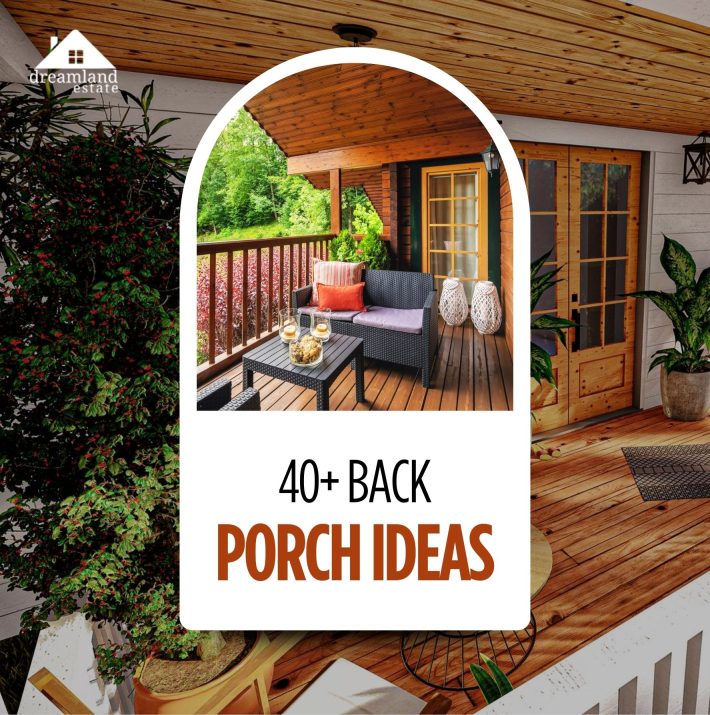
A back porch is not just an architectural feature it is a living, breathing extension of your home. It’s where indoor comfort meets outdoor freedom, where quiet mornings unfold into lively evenings, and where design and function must work together seamlessly.
Whether you have a sprawling countryside home or a compact suburban property, a thoughtfully designed back porch can dramatically enhance both your lifestyle and your home’s value.
In this comprehensive guide, we explore every major design approach, décor strategy, layout concept, and functional upgrade that can transform a back porch into a beautiful, practical, and year-round retreat.
From color theory and furniture selection to lighting, zoning, and material choices, this article leaves no detail unexplored.
1. Understanding the Role of a Back Porch in Modern Homes
In contemporary home design, the back porch has evolved beyond a simple sheltered outdoor space. It now serves multiple roles:
- A secondary living room
- An outdoor dining area
- A private relaxation retreat
- An entertainment zone
- A transitional space between indoors and nature
Unlike front porches, which are often designed for curb appeal, back porches are more personal and customizable. They’re meant for the people who live in the home, not passersby.
Commit to All-White for a Bright, Expansive Feel
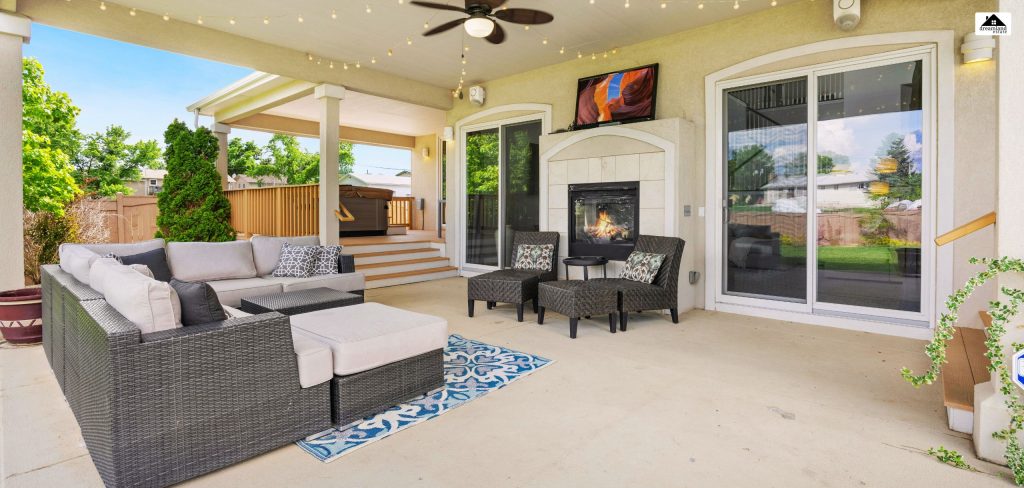
An all-white back porch remains one of the most timeless and versatile design choices. White creates a sense of openness and cleanliness while reflecting natural light, making the porch feel larger and more inviting.
Why All-White Works So Well?
- Enhances natural daylight
- Creates a calming, spa-like atmosphere
- Works with any architectural style
- Acts as a neutral backdrop for greenery and décor
How to Execute It Successfully?
- Use textured whites (linen, wood grain, wicker) to avoid flatness
- Mix warm and cool whites for dimension
- Add contrast through natural wood or black metal accents
2. Embrace Dark Finishes for Sophistication and Depth
Dark finishes bring grounding and drama to a back porch. When used intentionally, they create contrast and elevate the space.
Where to Use Dark Finishes?
- Painted ceilings or beams
- Metal railings or furniture frames
- Accent walls
- Tile flooring
Best Color Choices
- Charcoal gray
- Matte black
- Espresso brown
- Deep navy
Pair dark finishes with light walls or floors to maintain balance.
3. Lay an Area Rug to Anchor the Space
Outdoor rugs play a critical role in defining the porch as a living area rather than just an exterior structure.
Benefits of Using an Area Rug
- Defines seating or dining zones
- Adds warmth and softness
- Introduces color and pattern
- Protects flooring
Choose UV-resistant, moisture-safe materials such as polypropylene or recycled plastic blends.
4. Hang Oversized Pendants to Make a Design Statement
Oversized pendant lights act as visual anchors and bring a sense of intention to the space.
Best Materials for Outdoor Pendants
- Wicker or rattan for warmth
- Matte black metal for modern styles
- Glass lanterns for transitional looks
Use warm-tone bulbs to maintain a cozy ambiance.
5. Build in a Banquette for Space-Saving Comfort
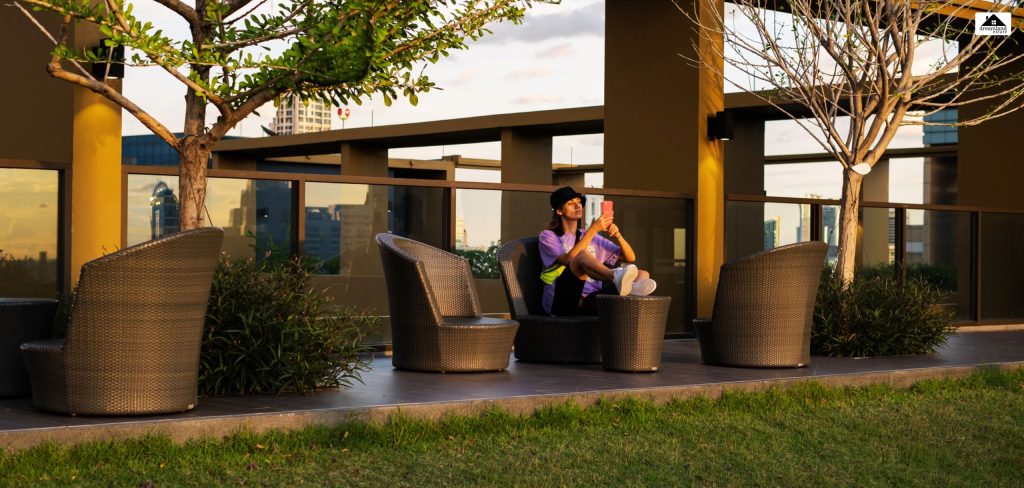
Built-in banquettes are ideal for maximizing seating without cluttering the porch.
Advantages of Banquette Seating
- Efficient use of space
- Custom fit for the porch layout
- Can include storage underneath
- Encourages long conversations
Enhance with weather-resistant cushions and layered pillows.
6. Install a Ceiling Fan for Year-Round Comfort
A ceiling fan significantly improves usability, especially in warm or humid climates.
Key Benefits
- Improves airflow
- Reduces heat buildup
- Keeps insects at bay
- Enhances comfort without enclosing the space
Choose damp- or wet-rated fans specifically designed for outdoor use.
7. Hang Billowy Curtains for Privacy and Elegance
Curtains soften architectural lines and create a resort-like atmosphere.
Practical Advantages
- Sun control
- Wind protection
- Privacy from neighbors
Opt for mildew-resistant outdoor fabrics and neutral colors.
8. Use Natural Green Tones to Reflect the Outdoors
Green tones harmonize beautifully with natural surroundings.
Where to Introduce Green?
- Throw pillows
- Upholstery
- Planters
- Accent walls
Sage, olive, eucalyptus, and moss shades are particularly versatile.
9. Add Skylights to Increase Natural Light
Skylights bring brightness to covered porches without sacrificing protection from rain or sun.
Ideal Situations for Skylights
- Deep porches
- North-facing homes
- Spaces with limited side openings
They enhance the connection between the porch and the sky.
10. Mix Rustic Finishes for Authentic Charm
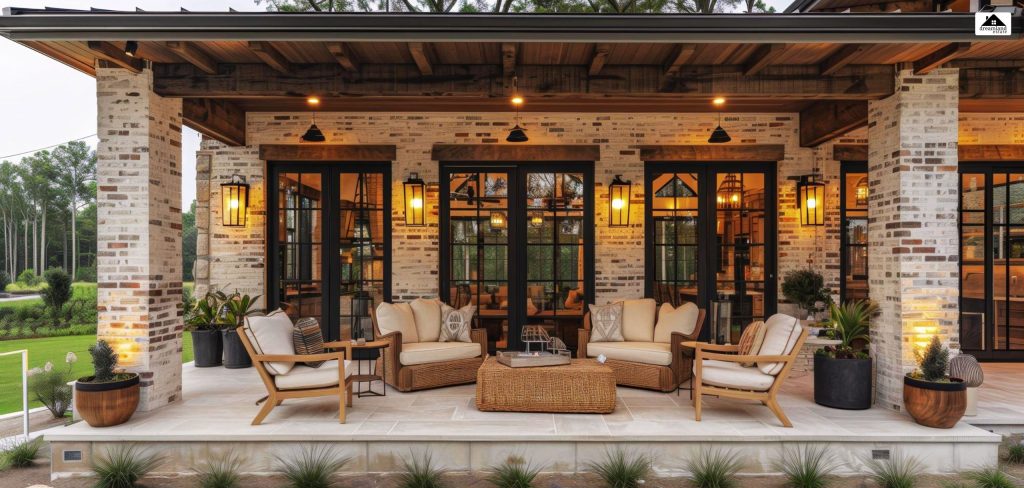
Rustic finishes add warmth, character, and history.
Popular Rustic Elements
- Reclaimed wood beams
- Stone columns
- Distressed metal fixtures
This approach works especially well in farmhouse and cottage designs.
11. Repurpose a Vintage Trunk for Function and Style
Vintage trunks bring nostalgia while serving practical purposes.
Uses
- Coffee table
- Storage for cushions
- Display surface
This is a great way to introduce personality into the space.
12. Use Natural Colors for Long-Lasting Appeal
Natural color palettes age gracefully and adapt to changing décor.
Recommended Shades
- Sand
- Taupe
- Soft gray
- Stone
These colors create a peaceful and timeless environment.
13. Decorate with Mirrors to Enhance Space and Light
Mirrors visually expand smaller porches and reflect greenery.
Tips
- Use weather-sealed frames
- Position to reflect gardens or sky
- Avoid direct sunlight glare
14. Choose Sculptural Furniture for Artistic Impact
Sculptural furniture turns functional pieces into focal points.
Examples
- Curved sofas
- Statement chairs
- Organic shapes
This works especially well in minimalist or modern porches.
15. Install Glass Pocket Doors for Seamless Indoor–Outdoor Flow
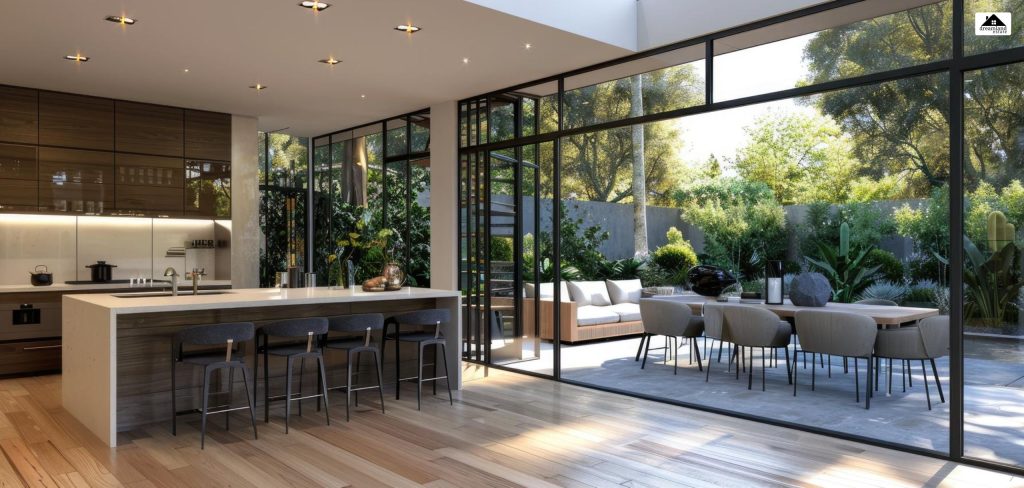
Glass pocket doors are one of the most transformative architectural upgrades for a back porch.
Unlike traditional hinged doors, pocket doors slide neatly into the wall, completely opening the space and eliminating physical and visual barriers between indoors and outdoors.
Why Glass Pocket Doors Elevate a Back Porch?
Glass pocket doors fundamentally change how a home is experienced. When open, they allow the back porch to function as a true extension of the interior living space.
When closed, they maintain climate control while still preserving views and natural light.
Key Benefits
- Increased natural light: Floor-to-ceiling glass brightens both the porch and adjoining interior rooms.
- Improved ventilation: Fully opening the doors encourages cross-breezes, especially valuable in warm climates.
- Better entertaining flow: Guests can move effortlessly between spaces, making hosting feel natural and spacious.
Beyond lifestyle improvements, glass pocket doors significantly boost resale appeal, as buyers increasingly prioritize indoor-outdoor living.
Design Tips
- Choose thermally efficient, weather-rated glass
- Align flooring materials inside and outside for visual continuity
- Use neutral framing to keep focus on the view
16. Use Curved Furniture to Encourage Conversation
Curved furniture introduces softness and movement, making a back porch feel welcoming rather than rigid.
Unlike straight-lined seating, curved pieces naturally orient people toward one another, encouraging connection and conversation.
Why Curves Work So Well Outdoors?
Outdoor spaces already contain organic forms—plants, trees, sky—so curved furniture feels instinctively harmonious. It also offsets the straight lines of walls, beams, and railings.
Best Uses
- Conversation areas: Curved sofas or sectionals help anchor social zones
- Fire pit seating: Circular or semi-circular layouts feel intimate and cozy
- Lounge zones: Rounded chairs promote relaxation
Curved furniture softens hard architectural lines and creates a more human-centered design.
17. Create a Solo Seating Area for Quiet Retreats
Not every back porch needs to be designed for groups. A solo seating area offers a personal sanctuary an intentional space for quiet moments away from daily distractions.
What Makes a Solo Seating Area Work?
- A comfortable, supportive chair
- A small side table for books or drinks
- Soft, ambient lighting such as a floor lamp or lantern
Perfect For
- Reading: Natural light and fresh air enhance focus
- Meditation: Calm surroundings encourage mindfulness
- Morning coffee: A peaceful way to start the day
Placing solo seating near a garden view or in a shaded corner enhances its restorative quality.
18. Add a Farm Table for Relaxed Dining
A farm table is a natural fit for a back porch, offering a blend of durability, simplicity, and timeless charm.
It creates a relaxed dining environment that encourages lingering meals and shared experiences.
Why Farm Tables Work Outdoors?
- Accommodate large groups: Their generous proportions are ideal for entertaining
- Pair well with benches: Flexible seating allows for casual gatherings
- Age beautifully: Solid wood develops character over time
Farm tables also complement a wide range of styles, from rustic and farmhouse to modern and transitional.
19. Use Low-Slung Seating for a Lounge-Inspired Look
Low-slung seating instantly shifts the tone of a back porch from formal to laid-back. By lowering the visual horizon, it creates a sense of openness and relaxation.
Benefits of Low Seating
- Encourages a slower, more relaxed pace
- Enhances views, especially sunsets or landscapes
- Feels modern and informal
Ideal For
- Sunset views: Low profiles keep sightlines clear
- Casual gatherings: Encourages lounging rather than structured seating
- Modern aesthetics: Clean lines and minimal forms shine
Pair low seating with soft cushions and layered textiles for comfort.
20. Add Geometric Tile Flooring for Visual Interest
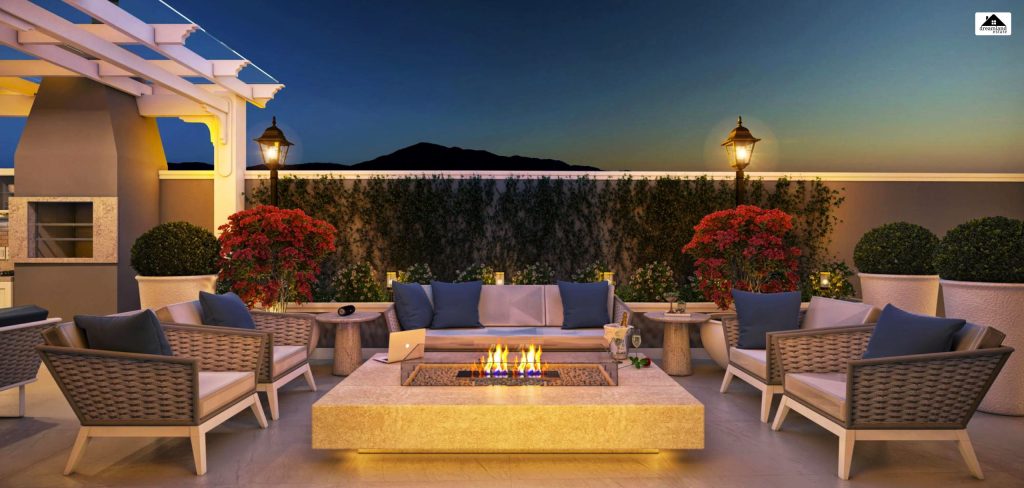
Geometric tile flooring turns the back porch floor into a design statement rather than a background element. It adds personality while remaining highly functional.
Advantages of Tile Flooring
- Durable: Stands up to weather and foot traffic
- Easy maintenance: Simple cleaning and long lifespan
- Endless design options: From bold patterns to subtle motifs
Geometric patterns add visual interest without clutter, especially when paired with neutral furniture and simple décor.
21. Try a Floor Lamp to Mimic Indoor Comfort
Floor lamps are an unexpected but highly effective addition to a back porch. They blur the line between indoor and outdoor living, making the space feel intentionally designed.
Where Floor Lamps Work Best?
- Reading corners: Paired with a comfortable chair
- Lounge zones: Adds layered lighting for evenings
Choose outdoor-rated lamps with weighted bases and soft, warm bulbs to enhance coziness.
22. Slipcover the Couch for Practical Elegance
Slipcovered seating is both stylish and practical, especially in outdoor environments where exposure to dust, moisture, and sunlight is unavoidable.
Benefits of Slipcovers
- Easy cleaning and maintenance
- Ability to change colors seasonally
- Extended furniture lifespan
Best Fabrics
- Solution-dyed acrylic: Fade-resistant and durable
- Outdoor canvas: Breathable and easy to care for
Slipcovers allow you to maintain a polished look without sacrificing comfort.
23. Accessorize It to Reflect Your Style
Accessories are what transform a back porch from functional to personal. Thoughtfully chosen accents add warmth, color, and individuality.
Popular Accessories
- Throw pillows for comfort and color
- Lanterns for soft, ambient lighting
- Decorative trays for organization
- Planters to bring in greenery
Stick to a cohesive color palette to avoid visual clutter.
24. Install a Wall-Mounted TV for Entertainment
A wall-mounted TV turns the back porch into an entertainment destination, perfect for movie nights, sports viewing, or casual background entertainment.
Installation Tips
- Use screens designed for outdoor or covered outdoor use
- Install glare protection or shade
- Conceal wiring for a clean, polished look
Position the TV at a comfortable viewing height and away from direct sunlight.
25. Keep It Simple for a Calming Effect
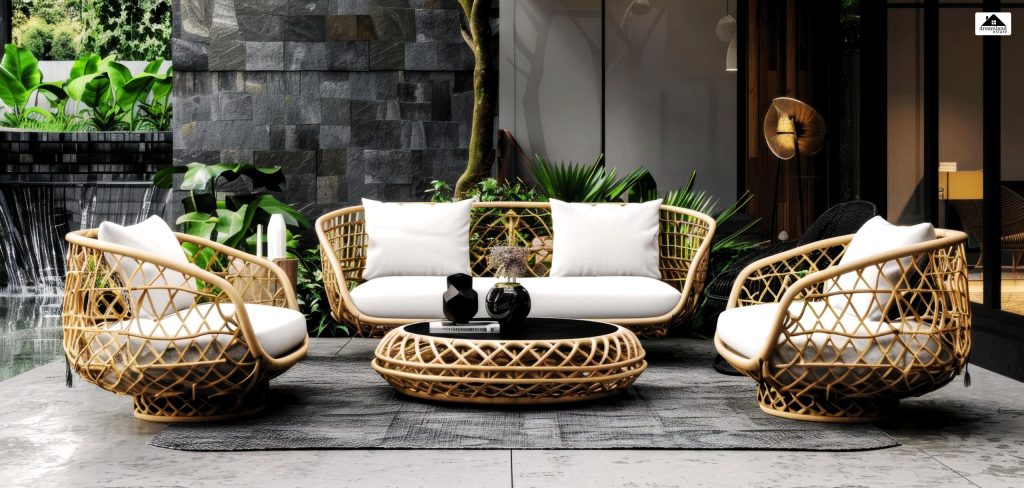
A minimalist approach creates a back porch that feels calm, timeless, and intentional.
Focus On
- Quality over quantity: Fewer, better pieces
- Clean lines: Simple silhouettes
- Neutral palettes: Soft, calming tones
This approach works particularly well in nature-focused settings where the surroundings provide visual interest.
26. Add Multiple Zones for Functionality
Dividing the back porch into zones improves usability and organization, especially in larger spaces.
Common Zones
- Dining: Table and seating for meals
- Lounging: Sofas and chairs for relaxation
- Reading: A quiet nook with focused lighting
Use rugs, lighting, and furniture placement to subtly define each zone.
27. Contrast Light and Dark for Visual Balance
Contrast adds depth and sophistication, preventing the space from feeling flat or monotonous.
Effective Combinations
- Light walls paired with dark furniture
- Dark ceilings with white trim
- Neutral floors with bold accent pieces
This balance creates visual interest without overwhelming the space.
28. Add Vintage Lighting for Warm Ambience
Vintage lighting introduces warmth, character, and a sense of history to a back porch.
Lanterns, sconces, and antique-inspired fixtures work especially well, casting a soft glow that enhances evening ambiance.
29. Don’t Compete with the View
If your back porch overlooks a garden, water feature, or landscape, let the view take center stage.
Use
- Subdued color palettes
- Low-profile furniture
- Minimal décor
This approach frames the scenery rather than distracting from it.
30. Paint the Ceiling Blue for Tradition and Calm
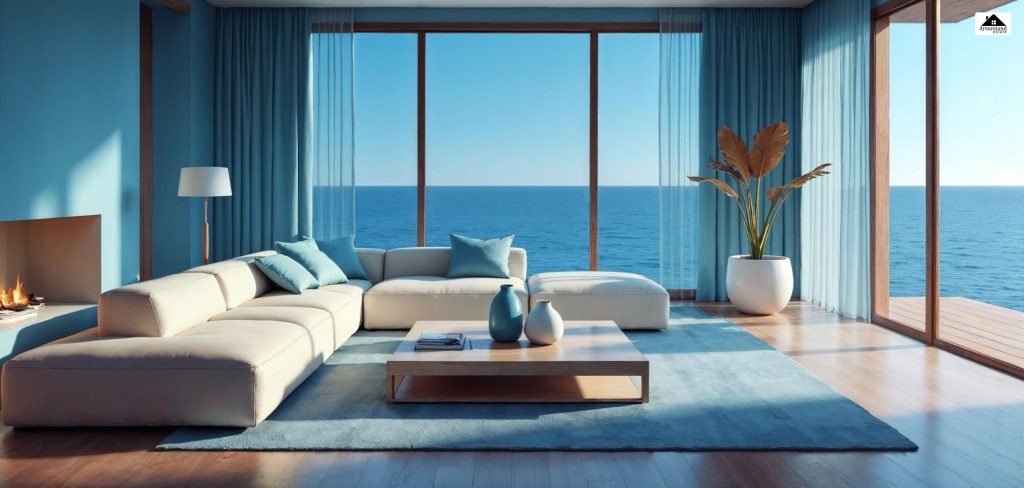
Painting the porch ceiling blue is a time-honored tradition believed to evoke the sky and create a sense of calm.
Popular Shades
- Pale sky blue
- Soft robin’s egg
Blue ceilings reflect daylight beautifully and make the porch feel taller and airier.
31. Mix Old and New for a Layered Look
Blending vintage and modern elements adds depth and personality.
How to Mix Successfully?
- Pair modern sofas with antique tables
- Combine sleek lighting with distressed finishes
This contrast makes the porch feel curated rather than staged.
32. Hang Some Chairs for Playful Comfort
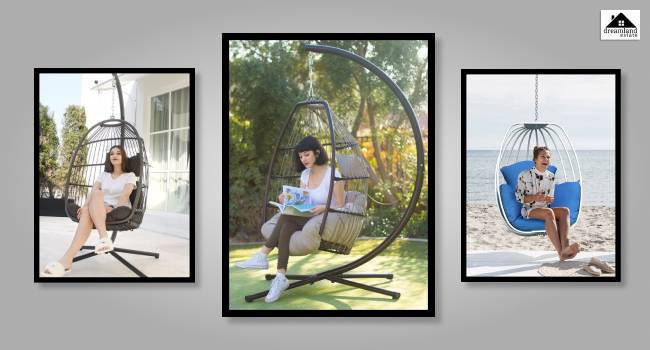
Hanging chairs and porch swings introduce movement and relaxation, making the space feel informal and inviting.
They’re perfect for
- Families
- Casual lounging
- Creating a focal point
Ensure proper installation and weight support for safety.
33. Use Wicker Armchairs for Timeless Versatility
Wicker armchairs are a classic choice that works across multiple design styles.
Why Wicker Endures?
- Lightweight and breathable
- Visually warm and textured
- Complements coastal, rustic, and traditional aesthetics
Paired with soft cushions, wicker chairs offer both comfort and timeless appeal.
34. Add a Fireplace for Year-Round Use
A fireplace is one of the most impactful additions you can make to a back porch, instantly transforming it into a four-season living space.
Beyond warmth, a fireplace becomes a visual anchor and a natural gathering point, encouraging people to linger longer outdoors even as temperatures drop.
Why a Fireplace Works So Well on a Back Porch?
- Extends usability into fall and winter
- Creates a cozy, intimate atmosphere
- Acts as a focal point for furniture layout
- Increases perceived luxury and resale value
Types of Back Porch Fireplaces
- Wood-Burning Fireplaces: Wood-burning fireplaces offer authenticity, crackling sound, and a traditional aesthetic.
They work best in larger porches with good ventilation and are ideal for rustic, farmhouse, or lodge-style homes.
However, they require more maintenance, proper chimney installation, and adherence to local building codes.
- Gas Fireplaces: Gas fireplaces are popular for their convenience and clean operation. They ignite instantly, produce consistent heat, and require less upkeep than wood-burning models.
These are excellent for modern and transitional porches and can be wall-mounted, built-in, or freestanding.
- Electric Fireplaces: Electric fireplaces are the easiest to install and are perfect for smaller or enclosed porches.
While they don’t produce as much heat as wood or gas, they offer visual warmth and ambiance without ventilation requirements. Many models include adjustable flame effects for year-round use.
Design Tips
- Arrange seating in a semi-circle around the fireplace
- Use non-combustible materials like stone or tile nearby
- Incorporate built-in storage for firewood or accessories
35. Whitewash It for a Light, Coastal Feel
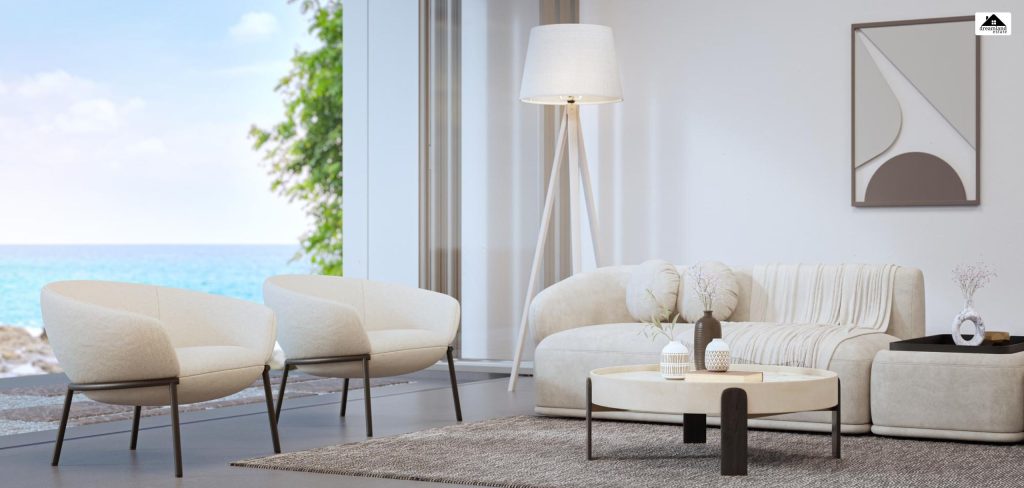
Whitewashing is a decorative technique that allows the texture of wood or brick to show through while brightening the surface.
It’s a perfect choice for homeowners who want a casual, breezy, and timeless look without fully covering natural materials.
Why Whitewashing Works on Back Porches?
- Lightens dark or dated surfaces
- Enhances architectural texture
- Reflects natural light
- Creates a relaxed, coastal or cottage-style vibe
Best Surfaces for Whitewashing
- Wood ceilings and beams
- Brick walls or fireplaces
- Shiplap paneling
Unlike solid paint, whitewash ages gracefully and develops character over time, making it ideal for outdoor spaces.
Styling Tips
- Pair whitewashed surfaces with wicker or rattan furniture
- Use soft blue, sand, or sage accents
- Add linen or cotton textiles for a breezy feel
36. Mix Materials and Textures for Depth
A well-designed back porch should feel layered and intentional rather than flat or one-dimensional. Mixing materials and textures adds visual interest and creates a richer sensory experience.
Why Material Mixing Matters?
- Prevents monotony
- Adds warmth and contrast
- Enhances durability
- Makes the space feel curated
Effective Material Combinations
- Wood: adds warmth and organic appeal
- Metal: introduces structure and modern contrast
- Fabric: softens hard surfaces and adds comfort
- Stone: grounds the space and provides durability
For example, a wooden ceiling paired with metal lighting, stone flooring, and soft upholstered seating creates a balanced, high-end look.
37. Try an Al Fresco Table Setup
An al fresco dining setup turns your back porch into a destination for everyday meals and special occasions. Unlike indoor dining, it encourages a relaxed pace and deeper connection with nature.
Key Elements of a Successful Al Fresco Setup
- A sturdy, weather-resistant table
- Comfortable chairs or benches
- Proper lighting for evening use
Enhance the Experience by Adding
- Warm ambient lighting such as lanterns or string lights
- Cushioned seating for longer meals
- Durable tableware designed for outdoor use
Position the table away from direct wind and harsh sunlight for maximum comfort.
38. Keep It Open to Maintain Airflow
An open back porch design promotes natural ventilation and creates a more comfortable environment, especially in warmer climates.
Benefits of an Open Layout
- Improved airflow
- Cooler temperatures
- Unobstructed views
- A more spacious feel
Avoid over furnishing the porch and choose pieces with slim profiles or open bases to maintain visual lightness.
39. Take a Hybrid Approach to Design
A hybrid back porch blends the comfort of indoor living with the durability required for outdoor spaces. This approach creates a seamless transition between your home’s interior and exterior.
How to Achieve a Hybrid Look?
- Use outdoor-rated furniture that mimics indoor styles
- Incorporate rugs, lamps, and artwork designed for outdoor use
- Choose cohesive color palettes that flow from inside to outside
This approach makes the porch feel like a true extension of the home rather than a separate zone.
40. Hang Some Art for Personality

Outdoor art adds character and expresses personal style, turning the back porch into a curated space rather than a purely functional one.
Best Types of Outdoor Art
- Metal wall sculptures
- Ceramic wall pieces
- Sealed canvas prints
Place artwork where it won’t be exposed to direct rain or extreme sunlight to prolong its lifespan.
41. Add Patio Heaters for Cold Evenings
Patio heaters are an excellent alternative or complement to fireplaces, especially for larger porches or areas without built-in heat sources.
Types of Patio Heaters
- Freestanding heaters for flexibility
- Wall-mounted heaters for space efficiency
- Ceiling-mounted infrared heaters for modern designs
Strategic placement ensures even warmth without obstructing movement.
42. Mix Wood and Flagstones for Organic Appeal
Combining wood and flagstone creates a natural, grounded aesthetic that blends beautifully with gardens and landscapes.
Why This Combination Works?
- Wood adds warmth and comfort
- Flagstone provides durability and texture
- The contrast feels organic and timeless
Use wood for ceilings or furniture and flagstone for flooring or accent walls to strike the right balance.
43. Use a Tonal Palette for a Polished Look
A tonal color palette uses varying shades of the same color family to create cohesion and sophistication.
Advantages of a Tonal Scheme
- Visually calming
- Easy to maintain over time
- Allows texture and form to shine
For example, layering different shades of beige, gray, or green creates depth without overwhelming the space.
FAQs
Here are a few questions and queries on the topic of back porch ideas that others have asked, and you might think helpful at the same time.
1. How to Make Your Back Porch Look Nice?
Making your back porch look nice starts with creating a cohesive look rather than adding random elements. Choose a simple color palette and repeat it across furniture, cushions, rugs, and accessories.
Comfortable seating is essential layer it with throw pillows and outdoor-friendly blankets for warmth and texture.
Good lighting, such as pendant lights, lanterns, or string lights, instantly improves ambiance. Finally, add greenery through potted plants or hanging baskets to bring life and freshness to the space.
2. What Does “Back Porch” Mean?
A back porch refers to an outdoor living area located at the rear of a house. It usually serves as a transitional space between the interior of the home and the backyard.
Depending on the design, a back porch may be covered, screened, or partially enclosed and is commonly used for relaxing, dining, or entertaining guests.
3. What Is a Porch at the Back of a House Called?
A porch at the back of a house is most commonly called a back porch. In some regions or architectural styles, it may also be referred to as a rear porch, veranda, screened porch, or lanai, depending on whether it is covered, screened, or open.
4. What Type of Porch Is Best?
The best type of porch depends on your climate, lifestyle, and how you plan to use the space. A covered porch offers shade and weather protection, making it suitable for year-round use.
A screened porch is ideal in areas with insects, while an open porch provides maximum airflow and unobstructed views.
Enclosed porches are best for homeowners seeking additional usable space throughout all seasons.
5. What to Put in a Small Porch?
For a small back porch, focus on space-saving and multifunctional furniture. Compact chairs, benches with storage, folding tables, or built-in seating work well.
Use vertical space by adding wall-mounted lights, hanging planters, or shelves. Mirrors can also help make a small porch feel larger and brighter. Keep decor minimal to avoid overcrowding the space.
6. What Is a Good Size for a Back Porch?
A good size for a back porch depends on its intended use. For basic seating, 80 to 100 square feet is usually sufficient.
If you plan to include dining or multiple seating zones, a porch measuring 120 to 200 square feet provides greater flexibility and comfort.
Ideally, the porch should be a minimum of 8 feet deep to allow easy movement.
7. What Is the Difference Between a Veranda and a Back Porch?
A veranda is typically a long, covered structure that runs along one or more sides of a house and is often more decorative in nature.
A back porch, on the other hand, is usually located specifically at the rear of the home and is more private and functional, often designed for daily use and relaxation.
8. Do I Need Planning Permission for a Back Porch?
Whether planning permission is required depends on local building regulations, the size of the porch, and whether it is enclosed.
In many cases, small or open back porches fall under permitted development and do not require approval.
However, larger structures, enclosed porches, or changes that affect the home’s footprint may require planning permission. It’s always best to check with local authorities before starting construction.
9. How Can I Add Value to My Back Porch?
You can add value to your back porch by focusing on durability, comfort, and seamless indoor-outdoor flow.
High-quality materials, proper roofing, lighting, heating elements, and well-designed seating areas make the space more usable year-round.
Features like glass doors, fireplaces, and built-in seating can also increase buyer appeal and overall home value.
10. What’s the Difference Between a Back Porch and a Deck?
A back porch is usually attached to the home and often covered or partially enclosed, making it feel like an extension of the interior.
A deck is typically an uncovered platform made from wood or composite materials and may be elevated or ground-level.
Porches offer more protection from weather, while decks provide a more open, outdoor experience.
Make Your Back Porch Perfect!
A well-designed back porch is one of the most rewarding investments a homeowner can make. It enhances daily living, supports relaxation and entertainment, and bridges the gap between indoor comfort and outdoor beauty.
By thoughtfully combining layout planning, material selection, lighting, furniture, and personal touches, your back porch can become a space that feels intentional, inviting, and deeply personalone that you’ll enjoy in every season for years to come.


Leave A Reply