





The Conveyancing Process Secrets Agents Don’t Want You To Know!!
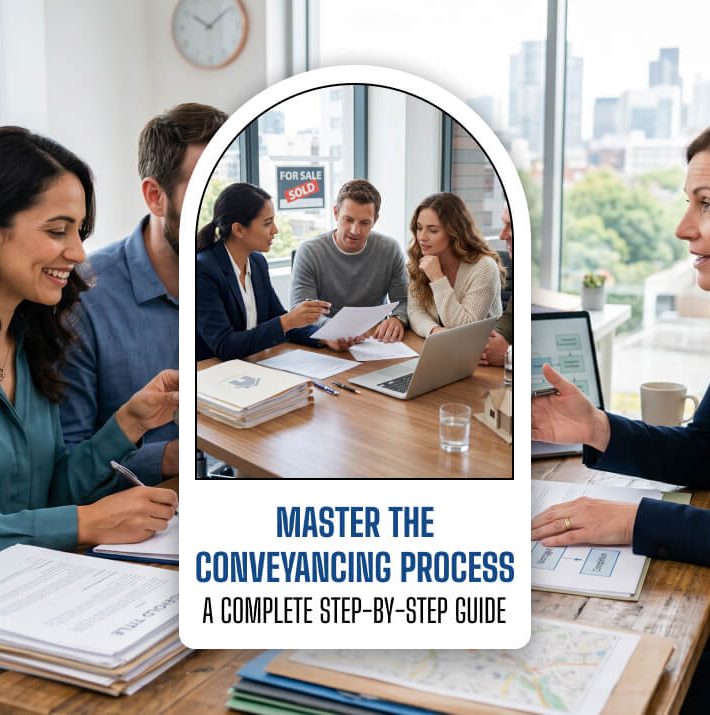
Buying a home is incredibly exciting, but the mountain of legal paperwork can easily feel overwhelming.
That is exactly why understanding the conveyancing process is so important!
Simply put, this is the official legal process that securely transfers a property’s ownership from the seller to you.
The process officially kicks off the moment your offer is accepted and keeps running right up until you grab your new keys.
Let’s break down the entire step-by-step timeline in a simple, stress-free way so you can navigate your purchase with total confidence!
What Is The Conveyancing Process?
Purchasing a house is really exciting, but often the paperwork can feel pretty overwhelming.
A good place to start is the conveyancing process! Simply put, it’s the official legal procedure for transferring property rights (or changing hands) from a seller to a buyer.
At that point, you’ll just see the conveyancing process happening behind the scenes.
Until you physically receive the house keys, a legal expert has to clear all hurdles and issues to make the way clear for the conveyancing process!
As the final step, they complete the registration of the Land Registry in your name.
In case you are going to be paying entirely in cash, you can’t possibly resist the temptation to go for a self-built or do your conveyancing yourself, but in that case, completely by yourself is a very risky business as property laws are complex, and so, it is always safest to hire a licensed professional to safeguard the investment.
What Do These Property Experts Actually Do?

In the end, whether you choose a solicitor/conveyancer, they both handle the bulk of the paperwork and legal issues involved when you are buying a house.
The conveyancing professionals make sure you understand what is being put into legal contracts, explain all the legal stuff to you, carry out searches to find details from the local authority, and handle your money transfers securely.
Licensing differences aside, the stages of the conveyancing procedure for both are identical!
Ultimately, either expert will keep your transaction safe, smooth, and fully legal.
The Step-by-Step Journey of Buying Your Home
Navigating the conveyancing process can sometimes feel like learning an entirely new language.
To help you keep the matter straightforward, we will list the first 5 principal stages of conveyancing you will face.
Step 1: Securing And Engaging Your Legal Help
The initial step you must take is to choose the conveyancer or solicitor who will legally represent you during the purchase and prepare a detailed checklist for your transaction.
It is highly likely that your estate agent already has a conveyancing firm as a partner. However, you can be assured that by taking a few quotes and comparing them, you might find someone offering a lower price than the agent’s preferred one. This could easily lead to great savings!
After you have agreed on a legal team, the first thing your solicitor will do is verify your identity through a standard procedure and confirm that no money laundering is involved.
Then they will ask for the draft contract and other official property details from the seller’s legal representative.
Step 2: Inspection Of The Agreement And Spotting Of Issues
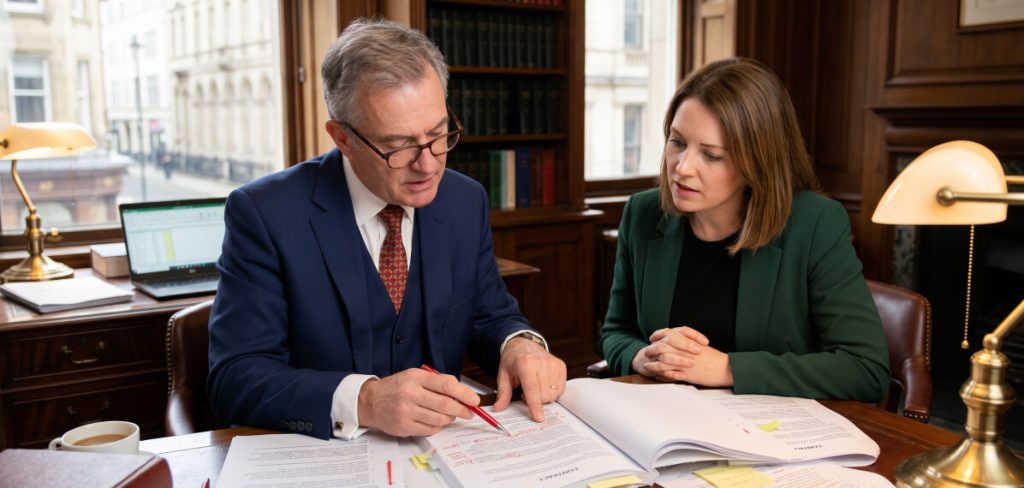
During this conveyancing period, your conveyancer or solicitor will thoroughly review the draft terms and conditions.
In particular, they will be able to bring to your attention certain hidden dangers that could have arisen in such contracts.
You will also have the chance to inspect the seller’s forms, such as TA6 and TA10, which include information on boundaries and the list of furnishings.
One critical issue that will arise is the property’s ownership type.
Whether the house is a freehold or leasehold, the latter being the one with a contractual right to use it for a certain time, you need to know very precisely how long the lease will go for.
A good reason not to be attracted to properties with a lease of less than 60 years is that they are not at all cost-effective to extend later!
To keep the conveyancing moving without delay, please make it a habit to send back all questions raised by your solicitor as soon as you receive them.
Stage 3: Organizing A Professional Home Survey
While a home survey is not legally required, it is highly recommended to protect your hard-earned money. A surveyor will inspect the house’s structural bones for hidden issues.
If the survey uncovers major red flags, you can easily use the results to renegotiate the purchase price or ask the seller to fix the issues before you buy.
Alternatively, you can choose to walk away from the deal entirely if the problems are too big to handle.
Stage 4: Running Essential Property Searches
Even the best surveys cannot reveal everything about a property.
Therefore, your solicitor will run official property searches to check for hidden rules and environmental factors. These typically include:
- Local Authority Searches: Checking for future local highway developments or nearby construction plans.
- Land Registry Checks: Legally proving that the seller actually owns the house.
- Water and Drainage Searches: Finding out where your water comes from and if any public drains restrict future extensions.
- Environmental Searches: Scanning for local flood risks, historical landfills, or radon gas hazards.
Stage 5: Sorting Out Your Mortgage Details
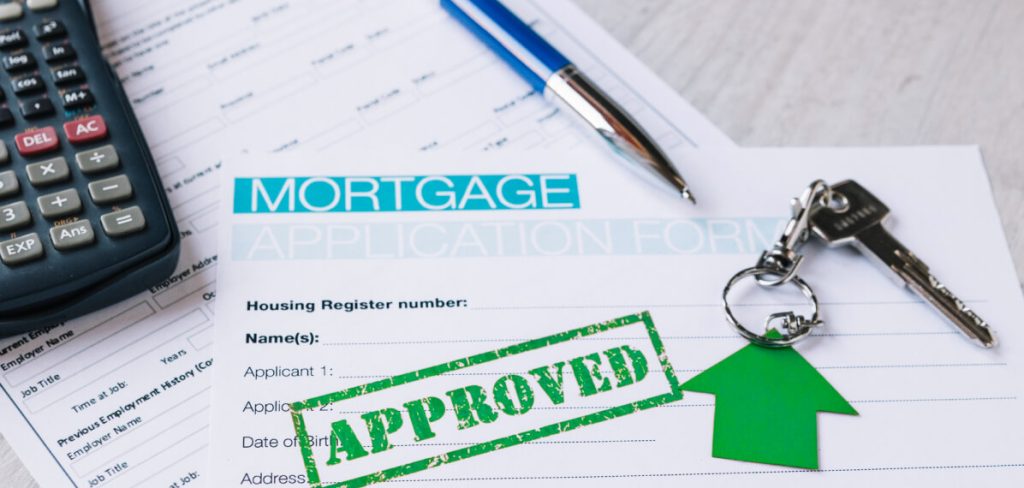
Finally, you need to lock down your official financing.
Your mortgage lender will order an independent valuation of the house to ensure the property is truly worth the money they are loaning you.
Once the lender is happy, they will issue an official mortgage offer, and a copy will be sent to your solicitor to review the final terms.
Stage 6: Arranging Your Buildings Insurance
If you are taking out a mortgage, your lender will insist that you have an active buildings insurance policy before you can exchange contracts.
This is because you become legally responsible for the structure of the house the exact moment the exchange happens.
Consequently, it is a great idea to shop around early to find a reliable policy at the best possible price.
Stage 7: Reviewing And Signing The Contracts
Before you put pen to paper, your solicitor will carefully tie up all loose ends.
Specifically, they will verify that the seller answered all legal questions satisfactorily and double-check the TA10 fixtures inventory so you know exactly what appliances or fittings are staying.
During this step, you will also agree on an official moving date, which is typically one to four weeks away.
Additionally, you must transfer your deposit—usually 10% of the purchase price—to your solicitor.
Keep in mind that even if you negotiate a lower upfront deposit, like 5%, you are still legally on the hook for the full 10% if you back out later!
Stage 8: Exchanging Contracts (The Big Moment!)
Exchanging contracts is the absolute turning point of the entire conveyancing process.
Your solicitor will call the seller’s legal team to read the contracts aloud, confirm they match exactly, and post them.
If you are part of a property chain, your solicitor will coordinate with everyone else in the line.
Once this phone call is over, the deal becomes legally binding. This means you can no longer be outbid by another buyer, and the seller is legally forced to sell to you.
Stage 9: What Happens Between Exchange And Completion?
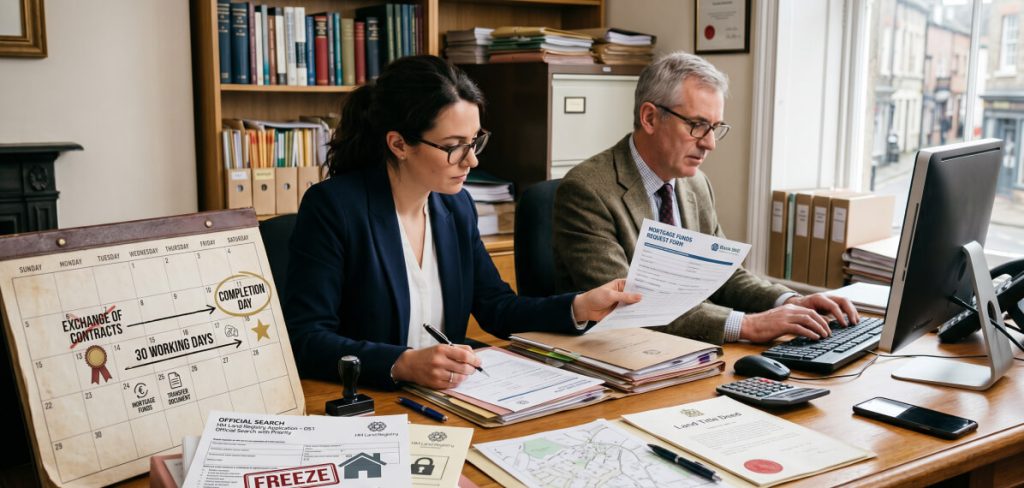
Now that the finish line is in sight, your solicitor will freeze the property deeds for 30 working days.
This temporary lock gives them the time needed to request your mortgage funds from the lender and prepare the final transfer documents.
Meanwhile, your solicitor will send you a final financial statement showing the remaining balance you owe.
You must ensure these funds clear into their account at least one day before the big move.
This is also your cue to book a removals company, pack your boxes safely, and schedule your new broadband setup.
Stage 10: Moving In On Completion Day
Completion day is the moment you’ve been really excited about!
Normally, the day falls within the seller’s bank’s opening hours, but the exact timing depends on when the seller’s bank has actually received your payment.
Once you have successfully made and transferred the funds, the seller will deliver the keys to the property over to your estate agent.
When you get those keys, not only will you be able to have a look at the new property, but you will also be able to take possession by officially turning on the front door switch and starting the whole moving-in process.
Stage 11: Wrapping It up After Completion
Even though you are already taking your belongings out of the box, your lawyer will still have a few administrative items to handle.
For a start, if there’s any Stamp Duty Land Tax on your property purchase, they will be happy to clear that on your behalf.
Furthermore, they will register your name as the property owner with the Land Registry, a process that may take a couple of months.
In the end, they will also pay their final fee. Do remember to keep them properly stored in case you might want to refer to your documentation at some future date!
The Reality Check: How Long Does Conveyancing Take?
Buying a home can always feel like an incredible adventure. However, it is definitely a marathon
While buying a home is an incredible adventure, it is definitely a marathon, not a sprint.
On average, the whole house-buying journey takes about five months from start to finish.
However, the legal conveyancing process usually takes around 12 to 16 weeks.
Of course, this timeline can wiggle quite a bit. If you are a lucky cash buyer with no property chain behind you, things might move much faster.
Conversely, if you are stuck in a long chain of buyers and sellers, you might face a few extra delays.
To help you map out your journey, here is a quick look at how those weeks generally break down:
| Conveyancing Step | How Long It Takes | What Happens Behind the Scenes |
|---|---|---|
| 1. The Prep Work | Around 2 weeks | You hire your conveyancer, order local searches, and get the draft contract. |
| 2. Securing the Mortgage | Around 4 weeks | Your lender processes your application and sends out the official offer. |
| 3. The Deep Dive | 2 to 10 weeks | Your solicitor checks the survey, reviews searches, and asks the seller questions. |
| 4. The Final Stretch | Around 1 week | The short, exciting waiting period between exchanging contracts and getting your keys. |
Is The Process Different For Leaseholds?
Yes, absolutely! If you are planning to buy a leasehold property, such as a flat or an apartment, the conveyancing process usually takes a bit longer.
This delay occurs because your solicitor must request a special “leasehold management pack” from the building’s management company.
This can take several weeks to arrive. Furthermore, your legal expert has to comb through the lease with a magnifying glass.
They can help you to check for any hidden fees, rules, or nasty restrictions that could impact your future.


Leave A Reply