






Storage Wins Deals Long Before Style Does
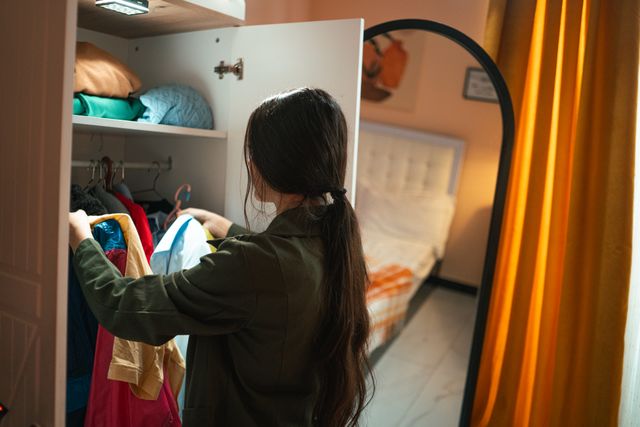
A fresh coat of paint catches the eye. A beautiful kitchen gets compliments. A stylish living room might earn a few wow moments. Then a buyer opens the bedroom closet and asks the question that matters: Where will all my stuff go?
That is where storage quietly takes over. Buyers may notice style first, yet practical space shapes how they picture everyday life. A roomy closet, sensible cabinets, a useful pantry, or an organized garage can make a property feel easier to live in before anyone thinks about décor.
Good storage is not flashy. It makes a home feel ready for real life.
Why Buyers Notice Storage So Fast
Walk into a bedroom with a generous closet, and buyers can picture clothes, shoes, luggage, and seasonal items fitting inside. A hallway closet creates the same reaction with coats and cleaning supplies.
Poor storage creates the opposite effect. A small closet stuffed with belongings can make a room feel smaller. Overloaded kitchen cabinets can suggest limited capacity. When every shelf is filled during a showing, buyers may wonder whether their belongings will fit.
For sellers working with Salt & Light Property Solutions, this kind of practical presentation can be worth discussing early. Showing off usable storage gives buyers a clearer picture of how the home works day to day, rather than leaving them focused only on finishes and décor.
Style Gets the Click, Storage Gets the Second Look
Photos may get someone through the door, and polished design can make a room memorable. Once buyers open doors and check drawers, practical details take over.
A stylish bedroom with a tiny closet can create a disconnect. A simple bedroom with a roomy closet can feel more livable. Design still matters, though storage helps buyers decide whether a home can handle everyday routines.
Avoid oversized furniture. A large dresser, bulky bed, or decorative cabinet can hide floor space and make storage areas seem smaller. A lighter setup gives buyers a clearer view of what the room offers.
Small Storage Moves With Big Visual Impact
You do not need to rebuild every closet. Start by removing items that do not need to be displayed. Half-empty shelves and cleared closets make available space easier to see.
Simple changes can include:
- Adding matching bins to open shelves
- Installing an extra closet shelf where practical
- Using hooks inside entry closets
- Clearing kitchen counters and cabinet fronts
- Grouping bathroom supplies into tidy containers
- Removing bulky furniture from small rooms
The goal is to show buyers that each space has a logical place for everyday items. A clean storage area communicates capacity without requiring a major renovation.
Kitchens Tell a Bigger Storage Story
Kitchen storage can strongly influence how buyers judge a home’s usefulness. People think about dishes, cookware, food, appliances, and cleaning supplies almost immediately. Cabinets that look full before move-in can make a kitchen feel restrictive.
Clear a few cabinets and drawers before showings. Keep only a few countertop appliances visible. If there is a pantry, arrange it so shelves are easy to see. These steps help buyers judge the space instead of the seller’s belongings.
Look at awkward corners, too. A narrow cabinet, deep drawer, or unused wall may offer storage potential. Buyers often appreciate practical possibilities when those spaces are easy to understand.
Bedrooms Need Breathing Room
Closet size matters, though the surrounding room matters too. When furniture crowds a bedroom, buyers may struggle to see where storage could fit. Keeping walkways clear makes the room feel more functional.
For closets, remove off-season clothing and excess shoes. Leave some open shelf and hanging space. An empty section gives buyers a visual reference for their belongings and makes the closet easier to inspect.
A tidy closet does more than look clean. It helps buyers estimate how much they could realistically store there.
Forgotten Spaces Can Become Buyer Favorites
Storage is not limited to closets and cabinets. Under-stair areas, laundry rooms, mudrooms, garages, attic sections, and entry zones can all contribute to a home’s storage story.
These spaces deserve attention. Sweep garages, organize shelves, clear laundry counters, and keep utility areas accessible. A modest storage nook can feel useful when buyers immediately understand its purpose.
Even an empty corner can make an impression when it clearly has a practical role.
A Quick Storage Check Before Showings
Before listing photos or open houses, walk through the property with a storage-focused checklist:
- Can every closet door open fully?
- Are shelves and rods easy to see?
- Do kitchen cabinets look comfortably usable?
- Is furniture hiding storage areas?
- Are garages, laundry rooms, and entry spaces orderly?
- Does each awkward space have an obvious purpose?
This quick walkthrough can reveal small issues that are easy to fix before buyers arrive.
Storage Leaves a Longer Memory
Style can change with trends, paint colors, and furniture. Storage solves a daily problem buyers already have. When a home offers clear closets, workable cabinets, useful corners, and room to organize, buyers can picture life after move-in.
That is why storage deserves attention early in the selling process. It does not need to be expensive or flashy. It needs to make space feel usable.
When buyers can see where their belongings could go, a property can start feeling more like a place they could live. And sometimes, that practical feeling sticks longer than a perfectly styled room.
Questions People Ask
1. Does storage affect buyer interest?
Yes. Buyers often evaluate storage during showings because it connects directly to everyday living. Crowded closets and cabinets can make a home feel less practical, while clear storage can make rooms feel more functional.
2. Should I add new storage before selling?
Not always. Start by clearing existing spaces and improving organization. Add shelving or hooks when a simple upgrade solves a clear problem and fits the home naturally.
3. Which storage areas should sellers prioritize?
Focus on closets, kitchen cabinets, pantry space, bathrooms, garages, laundry areas, and entry storage. These spaces answer common questions about where everyday belongings will go.
4. Can decluttering make storage look larger?
Yes. Removing excess items exposes shelves, rods, corners, and floor space. Buyers can then judge actual capacity instead of seeing storage filled with someone else’s belongings.




Leave A Reply