




Pool Inspection Checklist for Homebuyers: 2026 Costs & Leak Guide
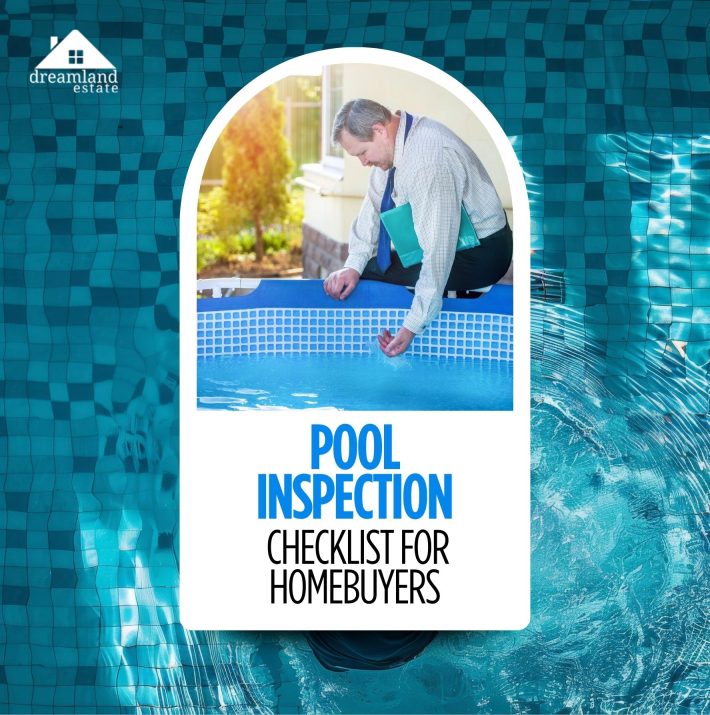
Buying a house can be really exciting. But you do not want your dream to turn into a total money pit.
Just imagine yourself diving into the shimmering blue pool, only to realise that there is a cracked shell or a pipe is leaking. And before you even realise, it may create a $15,000 hole in your wallet.
The reality is that standard home inspectors often skip this part of the pool entirely. So, to avoid all those nasty surprises, you need a specialist to dive deep into the details.
That is why a pool inspection checklist for homebuyers is highly necessary,
In this specific guide, we will cover everything! From the physical structure and equipment pad to lthe local safety laws.
We will even show you how to spot the hidden signs of leaks before you close the deal. So, stick with us to keep your backyard paradise from becoming a financial nightmare!
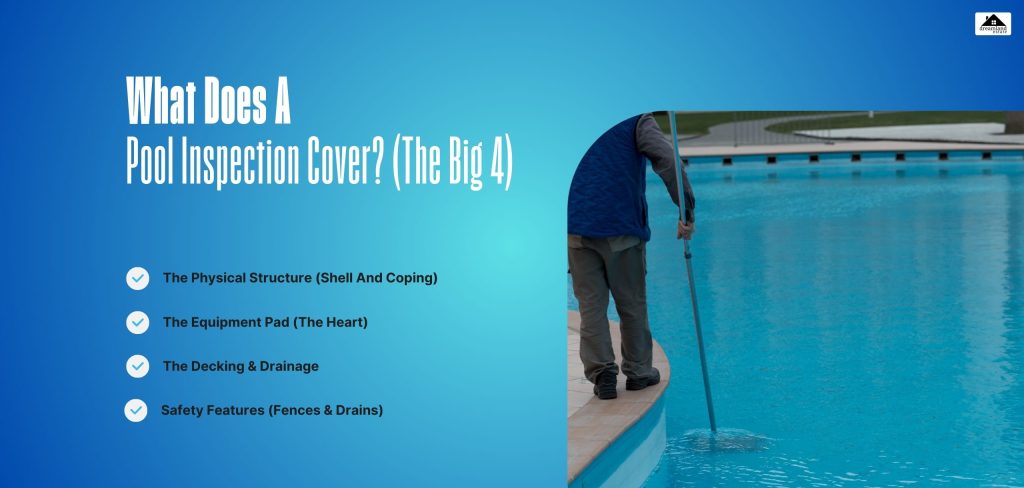
What Does A Pool Inspection Cover? (The Big 4)
Buying a home with a pool can be counted as a major investment. Thus, you need to know exactly what you are getting into.
A professional pool checklist for homebuyers typically breaks down into these four key areas!
1. The Physical Structure (Shell And Coping)
First, the inspector checks the bone in the pool. They positively look for all the cracks in the gunite (the concrete shell). This could be a signal for structural trouble.
Moreover, they also check for popping titles and delamination. These are the hollow spots behind the plaster that make a distinctive thud when tapped.
2. The Equipment Pad (The Heart)
The next is the equipment pad, where all the heavy lifting happens. This specifically includes testing pumps, filters, and heaters to ensure they run smoothly, without loud noises or leaks.
If the pool has a modern automation system, they’ll verify that the central control hub is correctly managing everything from lighting to water features.
3. The Decking & Drainage
It’s not just about the water. The area around it matters too. The pool inspector can ensure the deck slopes away from the pool so that dirty runoff doesn’t flow back into the pool.
They also examine other things such as:
- Mastic joint
- The flexible sealant between the pool
- The deck
These help them ensure that water does not seep behind the walls.
4. Safety Features (Fences & Drains)
Finally, the safety factor is non-negotiable. This includes confirming that the fence and gates meet local barrier codes. This includes self-closing and self-latching.
Moreover, they check that drain covers are VGB-compliant to prevent all sorts of dangerous suction accidents.
The Ultimate Pool Inspection Checklist For Homebuyers
Ready to get your hands dirty? Use this pool inspection checklist for homebuyers to spot red flags before you sign on the dotted line.
Surface & Tile Checklist
You can start by looking at the water and the walls. First, check whether the water level is consistent.
If it looks low, then there might be a leak!
Next, you have to check all the tiles. Are they missing? Do you see cracked grout? Check as minutely as possible.
Finally, you have to feel the plaster. If it feels rough, like sandpaper, or looks stained, you are likely dealing with calcium scaling.
Equipment Checklist
Now, head over to the equipment pad. You have to check if the pump is leaking or making a screeching noise.
You should also fire up the heater. It should produce noticeable heat within about five minutes.
Crucial Tip: Check whether it’s a Variable Speed Pump (VSP). As of 2026, old single-speed pumps are mostly obsolete and even illegal in many areas due to energy laws.
Electrical & Lights
Safety always comes first with electricity. You can test the GFCI outlets to check if they trip correctly.
This prevents shocks! Also, ensure the bonding wire is attached to the equipment.
Moreover, this wire maintains the voltage of the metal parts of your pool. So, you do not get a tingle while swimming.
Signs Of A Swimming Pool Leak (The Red Flags)
No one wants to buy a leaky pool. It’s expensive and stressful! As you go through your pool inspection checklist for homebuyers, keep an eye out for these sneaky warning signs.
1. The “Soggy Spot” Test
First, take a walk around the yard. Look for unusually wet soil or patches of bright green grass near the equipment pad.
If the ground feels “squishy” even when it hasn’t rained, a pipe underground might be cracked.
2. The Air Bubble Warning
Next, look at the water returning to the pool. Do you see bubbles shooting out of the return jets?
If so, air is getting sucked into the pipes. This is a classic sign of a suction-side leak that needs a pro to fix.
3. The “Bucket Test”
Finally, use the Bucket Test. Ask the seller to do this during your inspection period. You place a bucket of water on a pool step.
This can help you to compare the water levels inside and outside the bucket.
If the pool water drains faster than the bucket water, you definitely have a leak. This is a must-have on any swimming pool leak checklist.
Costs & Life Expectancy: Budgeting For Repairs
Before you dive in, you need to know when parts will fail. Even if everything looks good on pool inspection checklist for homebuyers, parts don’t last forever.
Pool Equipment Life Expectancy List
Here is a quick pool equipment life expectancy list to help you plan your budget:
- Pump: 7–10 years.
- Filter: 10–15 years.
- Gas Heater: 8–12 years.
- Plaster Surface: 10–15 years.
How Much Does A Pool Inspection Cost?
So, what is the cost of a pool inspection near me?
A Standard Visual inspection usually costs $250–$400. However, if you suspect a problem, get an inspection with Leak Detection.
This costs $600–$800 but can save you thousands later! Hiring a certified inspector ensures your investment stays afloat.
Questions To Ask Your Pool Inspector
When you hire a pro to complete your pool inspection checklist for homebuyers, don’t be shy.
You need to know exactly what is included in their report. Here are the top questions to ask your pool inspector before they start.
Question: “Do you pressure test the lines?”
Most standard inspections are just visual. This means they only look at what is above ground.
Ask whether they pressure-test the underground pipes. If they don’t, a massive hidden leak could be lurking under your concrete deck.
Question: “Is the main drain VGB compliant?”
This is a huge safety question. You must ensure the pool has anti-entrapment covers on the floor drains.
These covers prevent swimmers from getting stuck by powerful suction.
If the inspector says no, it is a major safety hazard that needs to be fixed immediately. Always check these details to keep your family safe!
Expert Tips For Negotiation
To round out your pool inspection checklist for homebuyers, here are some advantages and secrets to help you spot trouble like a seasoned veteran.
1. The “Mastic” Check
Look at the sealant between the pool and the deck. If you see that it is cracked,m water will seep underneath. This can cause soil to shift and the pipes to crack!
2. Listen To The Pump
A good pump should hum quietly. If it starts to sound like rocks in a blender, the bearings are shot. In that case, you need to budget atleast $1,500 for a replacement.
3. The “Heater Fire” Test
Always try to turn the heater on. If you see a blue flame, it is great. However, if you start to notice a flickering yellow flame or soot, it means the heat exchanger is rusted.
4. Check The “Bonding Wire”
You must look for a bare copper wire connecting the equipment. If it’s missing or cut, the pool is an electrical hazard.
5. The Light Fixture
You must pay attention to the light fixture. If you see water inside the lens, the seal has failed. This is a serious shock risk. You must call the experts to prevent the risks.
6. Salt Cell Age
If it is a saltwater pool, you have to check the salt cell. Corroded metal fins inside mean an $800+ replacemen bill is coming soon.
7. The “Pop-Up” Heads
Does your pool have an in-floor cleaning system? In that case, you have to make sure the heads pop up and rotate. If they don’t, the gear mechanism is likely broken, and you have to get it checked.
8. Gates Must Self-Latch
Just open the pool gate just 6 inches and let go. If it doesn’t slam shut and latch automatically every single time, it fails local safety codes.
This is a critical step on your homebuyer pool inspection checklist to prevent accidents.
9. Timer Box Spiders
Open the electrical box. Look for ants or spiders. They love to chew on wires, which can cause shorts.
10. The “Coping” Tap
Gently tap the border stones with a tool handle. A hollow sound means they are delaminating from the beam and will eventually fall off.
Why This Inspection Saves You Thousands?
If you are planning to save a fortune, you have to understand the inspection results. That’s why your homebuyer pool inspection checklist is so vital.
1. How Proper Understanding Saves Money
A pool is a complex system. It involves three specific things:
- Plumbing,
- Electricity, and
- Chemistry.
Buying a house without inspecting the pool is like buying a used car without checking the engine.
A proper inspection tells you about that $10,000 resurfacing job needed in two years. With that knowledge, you can negotiate the price today!
2. Safety vs. Liability
Beyond the money, it is about safety and peace of mind. Ensuring all GFCI outlets work and that drains are VGB-compliant prevents tragic accidents.
This single inspection protects your family and your entire financial future from lawsuits.
Conclusion: Inspect Before You Invest
In short, spending $300 now can save you $15,000 later. Do not let the water’s sparkle distract you from the mechanics under the hood.
Using a pool inspection checklist for homebuyers is the smartest move that you can make! So, what’s your next step?
If your offer on a pool home is accepted, you can call a dedicated pool inspector immediately.
You have to make sure they are not just a general home inspector. Just ask them specifically, “Do you verify the VGB compliance and check the dates on the equipment?”
If they say no! Just find somebody else!





Leave A Reply