



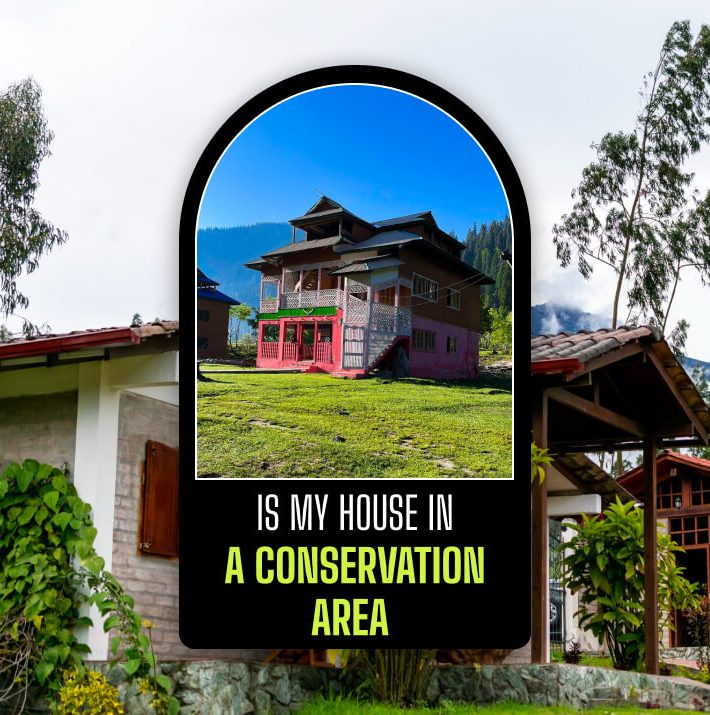
Is My House In A Conservation Area? The Crucial Secret Rules Councils Wish Everyone Knew Before Renovating!
Buying a home or planning a renovation is always an exciting adventure, but it can also bring up a lot of questions.
If you love neighborhood character, you might be asking yourself, “Is my house in a conservation area?”
Falling in love with a historic street or a charming cottage is easy, but it is important to know that these special spots come with their own set of unique rules.
While living in a protected zone keeps your neighborhood looking gorgeous, it also changes how you handle home improvements and property values.
Let’s break down exactly what these historic areas mean for you, how they affect your wallet, and how to stay on the right side of the law without any of the stress!
What Is A Conservation Area?

If it is, your neighborhood has a special status to protect its historic charm, beautiful greenery, and classic street style.
The UK started protecting these lovely spots back in 1967.
Today, there are around 10,000 of them. And they cover everything from historic town centers and peaceful canals to entire villages.
Local councils set specific rules to keep them looking great, since these places are so special.
This means you might need permission before making changes. For instance, the rules can cover your windows, front door paint, or even nearby trees.
Naturally, you will face even tighter restrictions if your home is also a listed building.
Every local council has its own unique guidelines, so it is always smart to check your local authority’s website to see exactly what rules apply to your street.
How Conservation Areas Boost Your Home’s Value
When you are wondering, “Is my house in a conversation area?,” you might also wonder about the financial side.
Honestly, living in one is usually great news for your property value!
First, let’s look at the downsides. Yes, you might face extra paperwork. Additionally, you can also match specific historic materials. This can make renovations more expensive.
However, the perks definitely outweigh the costs. These rules keep the neighborhood beautiful and charming.
This is the reason why buyers are willing to pay more.
In fact, a major study by the London School of Economics and Historic England found that houses in these special areas sell for an average 9% premium.
So, while maintaining your home takes a bit more effort, it truly pays off in the long run.
Understanding The Rules: What Can You Actually Change?
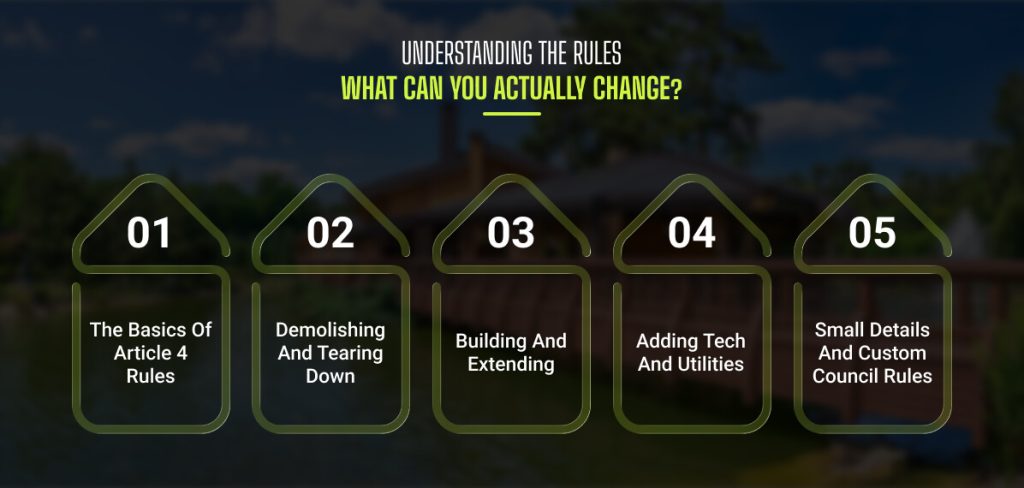
When you find out, “Is my house in a conservation area?” the next big question is usually about renovations.
The Basics Of Article 4 Rules
Normally, homeowners have “permitted development rights,” which allow them to make minor upgrades without asking anyone.
However, in conservation areas, councils use additional rules called “Article 4 Directions” to limit these automatic rights.
This is simply to ensure modern updates do not ruin the street’s historic look.
Demolishing And Tearing Down
You will almost always need permission before knocking anything down.
For example, you cannot demolish a building larger than 115 cubic meters without approval.
The same goes for pulling down road-facing walls or fences over 1 meter tall, or any other walls over 2 meters high.
Building And Extending
Additionally, standard home extensions are subject to strict limits. You will need to apply for planning permission if you want to add:
- Side extensions or any multi-story extensions.
- Large single-story extensions at the back.
- Roof changes, loft conversions, or wall cladding.
- New garden sheds, outbuildings, or swimming pools.
Adding Tech And Utilities
Furthermore, minor exterior visual changes to your home are highly regulated.
For instance, you will need the green light to install satellite dishes, solar panels, chimneys, or vents if they face the main street.
Small Details And Custom Council Rules
Finally, you have to keep in mind that local councils can add their own custom rules.
This is the reason why they might even restrict you from:
- Changing original windows,
- Altering gutters,
- Cutting down trees,
- Painting your front door a wild new color.
Therefore, it is vital to visit your local authority’s website. Here you can check the exact rules for your specific street before buying any tools!
Smart Ways To Check A Property Before You Buy
Hunting for a new home and wondering, “Is my house in a conservation area?”
Sadly, there is not a single magic button or postcode search tool that tells you instantly. However, tracking down the answer is still pretty simple!
First, just ask the seller or your estate agent. Since this status boosts property value, they will usually shout it from the rooftops!
Also, your conveyancing solicitor might spot it, but do not rely on standard searches alone.
Finally, the safest bet is to check it yourself. Simply head over to the local council’s website for the area you are looking at.
Most councils have clear maps or lists showing every protected boundary, plus the exact rules that apply to those streets.
Getting The Right Advice And Staying Out Of Trouble
Before touching any tools, your best move is to chat with your local council’s planning team early on.
They will tell you exactly what is allowed. Alternatively, you can hire a professional architect or planning consultant.
This can help you to handle the tricky paperwork for you.
Whatever you do, please do not skip this step! If you break the rules in these historic zones, it would be considered a serious criminal offense.
In fact, under UK law, if you carry out illegal building work, you might face heavy fines or even a prison sentence of up to 2 years. It is always better to be safe than sorry!
Quick Guide to Common Home Renovation Rules
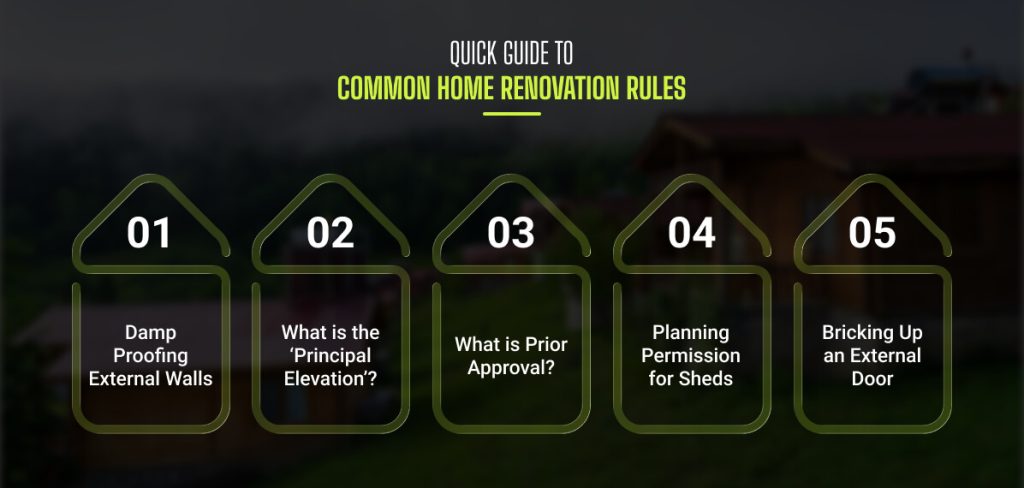
It might feel tricky to navigate property laws can feel tricky. However, if you can figure out what you can legally change on your property, it is actually quite simple when you break it down.
· Damp Proofing External Walls
Normally, you will not need planning permission or building control approval for damp proofing.
However, things change if the work alters how your home looks on the outside.
Furthermore, if you are wondering, “Is my house in a conservation area?” or a listed building, stricter local rules will definitely apply.
· What is the ‘Principal Elevation’?
Think of the principal elevation as the main face of your home. It is simply the most visible or prominent side of the house, usually the one facing the street.
It does not necessarily have to contain your main entrance door, even though it is generally considered the “front” of the property.
· What is Prior Approval?
Some home upgrades are automatically allowed under “permitted development.”
However, before you start building, you might still need to obtain prior approval from your council.
This simple check allows the local planning team to review your plans and ensure the changes will not adversely affect your neighbors or local traffic.
· Planning Permission for Sheds
Good news! Garden sheds, playhouses, and greenhouses usually count as outbuildings, meaning you do not need planning permission.
They fall under automatic permitted development rights.
Just keep in mind that they must follow basic size limits. Thus, checking with your local council first is always a smart and safe move.
· Bricking Up an External Door
You can usually brick up an external door without planning permission since it is a permitted development.
You must ensure the new bricks closely match the rest of your home’s exterior. This can help you to keep things legal.
Naturally, you will still need official consent if you live in a protected listed building.




Leave A Reply