




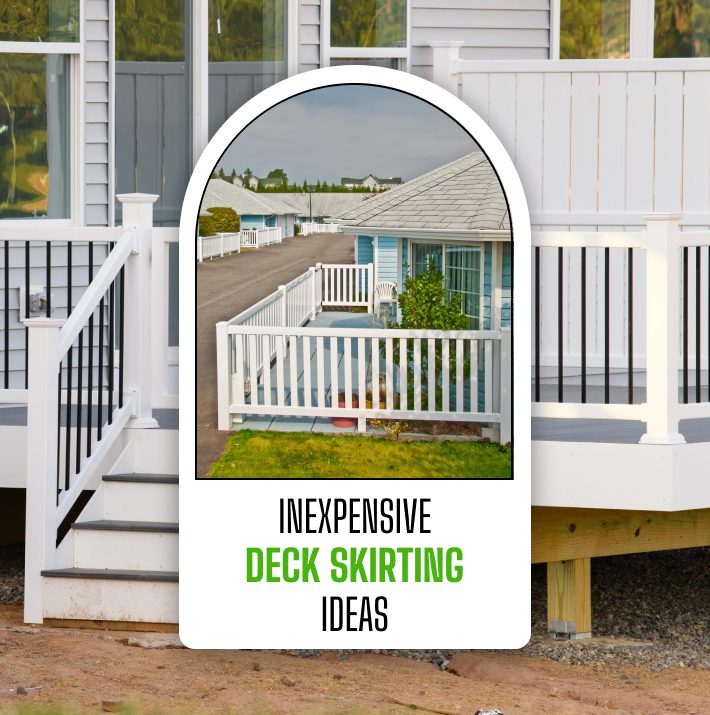
10 Inexpensive Deck Skirting Ideas in 2026: Still Unexplored!
When we renovate our homes, most of us obsess over the inside.
We spend weeks picking kitchen tiles or living room paint. But here is a secret: your home’s exterior matters just as much!
It is the first thing people see, and it really affects your home’s value. One of the most ignored parts of a house is that awkward gap under the porch.
Moreover, that is where inexpensive deck skirting ideas come in. Skirting is not just about looks! It is more about hiding ugly frames and keeping animals from moving in.
The best part? You do not need a huge budget to make it look amazing.
Moreover, you can totally transform your yard by choosing the right materials for your local weather!
Let’s look at some fresh, easy ways to level up your deck this year!
Quick Query: What Is Deck Skirting and Why Does It Matter?
Deck skirting is the layer used to close the aperture between the raised deck and the ground. It conceals your home’s framing and keeps debris off. Dec skirting also helps maintain stable airflow inside the structure and a decent moisture level. But architects argue that a well-chosen skirting can add glamour to your exterior.
But you can also ignore deck skirting if it goes against your home’s aesthetics. However, other things, such as landscaping and painting, are optional as well. So, it’s your call to choose what you want to prioritize during your home makeover.
10 Budget-Friendly Deck Skirting Ideas Trending in 2026
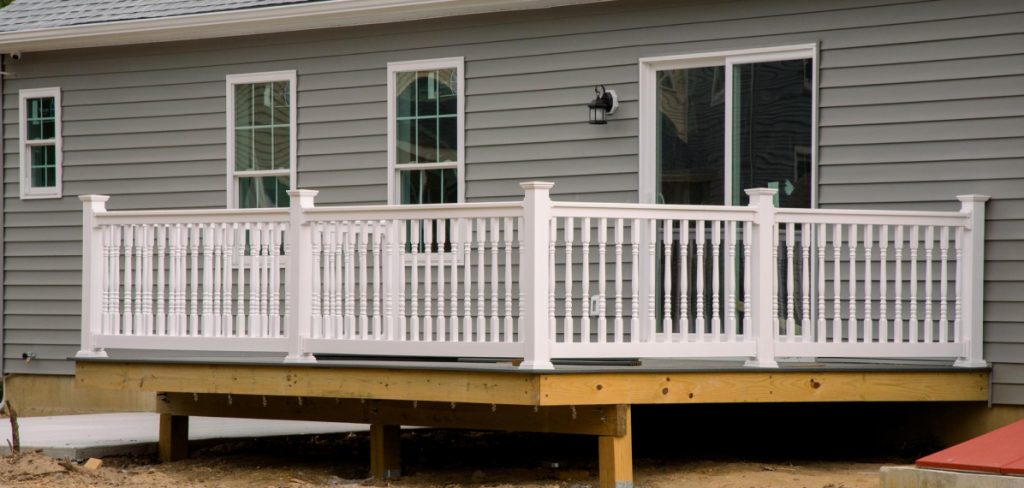
Have you decided to revamp your deck skirting and add a touch of finesse to your home this time? Check out these inexpensive Deck Skirting Ideas that can change how your house looks, any day.
1. Classic Wooden Lattice Skirting
Lattice has been around forever, and it’s not going anywhere. It’s cheap, widely available, and easy to install in modular panels, and the open-grid pattern lets air move through. This layout and pattern matter a lot in humid climates where moisture trapped under a deck will quietly rot your framing over time.
It suits traditional homes well. If your house has classic detailing, the lattice fits seamlessly into the architecture.
- Best for: Traditional aesthetics, DIY installs
- Cost: Low
- Maintenance: Medium (needs sealing or repainting every few years)
- Watch for: Termites and moisture damage in damp regions
When buying wood lattice, always look for ‘Ground Contact’ pressure-treated timber.
If the wood is not rated for ground contact, it will rot within two seasons, no matter how much you paint it.
2. Painted or Stained Solid Wood Panels
If lattice feels too casual for your exterior, solid wood panels are a clean step up. Painted panels anchor the deck visually and make the whole structure feel more intentional.
Meanwhile, you can select from darker tones like charcoal, deep brown, matte black, which age better than lighter shades. They hide weathering and dirt and tend to photograph well, which matters more than people admit when it comes to resale.
- Best for: Contemporary or transitional homes
- Cost: Low to mid
- Maintenance: Medium
- Important: Leave ventilation gaps or install discreet vents, as sealed wood panels without airflow will lead to moisture problems over time.
3. All-Black Skirting (Material Choice Matters Here)
Black skirting has settled into something genuinely timeless over the last few years. It works on modern homes and minimalist builds, and, when done right, it makes the deck look more elevated without costing more.
But, there is a catch. The material matters. Untreated black-painted wood in a high-sun or high-rain environment will look rough within a few years. However, vinyl, composite, or metal-backed composite panels retain color and finish much better.
- Best for: Modern exteriors, clean architectural lines
- Cost: Mid, depending on material
- Maintenance: Low
- Bonus: Black visually recedes, and hence the deck reads cleaner and less cluttered
4. Vinyl Deck Skirting Panels
Vinyl has evolved significantly. Earlier versions often looked cheap and felt temporary. Today’s options are very different. They come in textured finishes that closely mimic wood grain.
Also, many designs include built-in ventilation. As a result, modern vinyl holds up well in regions with harsh or unpredictable weather. It’s pest-resistant, moisture-safe, and requires almost no upkeep. For a rental property or a home where low maintenance is a genuine priority, vinyl is hard to argue with.
- Best for: Humid or rainy regions, low-maintenance households
- Cost: Low to mid
- Maintenance: Very low
- Downside: Less customizable than wood; limited in color range
Level Up Your Pest Defense

Do not just attach the skirting to the frame. You can dig a trench about 12 inches deep and install a 1/4-inch galvanized hardware cloth (mesh) behind your skirting.
This can help you to get a truly critter-proof deck.

Moreover, it prevents raccoons and rodents from digging underneath your beautiful new panels.
5. Lattice Styled With Plants
Same material as option one, however, yielding a different result. When a lattice is paired with climbing vines, wall-mounted planters, or thoughtful landscaping at the base, it stops looking like a utilitarian panel and becomes a deliberate design choice.
This works especially well when the deck backs onto a garden. The greenery softens the transition between structure and landscape. Moreover, it costs almost nothing extra.
- Best for: Garden-facing decks, cottages, informal homes
- Cost: Low
- Maintenance: Medium (plants need tending, wood needs occasional treatment)
- Note: Don’t let over-watered planters rest directly against the wood
6. Fenced Deck Skirting
Are you thinking of short fencing panels made out of wood or metal? These panels, repurposed as skirting, actually work well on decks closer to the ground. But they work best when pets or small children are involved. It gives a finished look while adding a practical layer of boundary.
Proportion is everything here. The fencing needs to feel like it belongs to the deck, not like a separate enclosure you bolted on.
- Best for: Families, pet owners, practical layouts
- Cost: Mid
- Maintenance: Low to medium
- Check: Local codes may govern spacing, height, or material requirements
7. Skirting With Hidden Storage
This is the one that makes you immediately wonder: why didn’t I think of that before! But if you want to be awestruck later, take my suggestion and invest in skirtings with hidden storage today!
Removable panels or hinged sections on the skirting face turn what would otherwise be wasted space into usable storage. But what can you stuff there? I prefer storing garden tools, outdoor furniture covers, pool equipment, and seasonal items.
On smaller lots, especially, that under-deck cavity is genuinely valuable real estate. Use it.
- Best for: Smaller properties, practical homeowners
- Cost: Mid
- Maintenance: Medium
- Tip: Use moisture-resistant materials and make sure drainage is sorted before you start storing things under there.
8. Corrugated Metal or Metal-Backed Panels
Corrugated metal has quietly become a go-to for modern and semi-industrial homes. It’s durable, affordable, naturally resistant to rot and pests, and, when framed in wood, looks intentional rather than industrial.
The key is the pairing. Raw corrugated metal on its own can look rough. Set inside a clean timber frame? It works.
- Best for: Modern, rustic, or industrial-style exteriors
- Cost: Low to mid
- Maintenance: Low
- Important: Go with coated or rust-resistant finishes since bare metal in wet climates will corrode
9. Heritage or Victorian-Inspired Skirting
Ornate skirting isn’t out of trend. However, it needs the right house. On heritage properties or homes with traditional architectural character, detailed skirting panels make sense and add value.
Laser-cut composite panels now replicate the look of carved wood at a fraction of the long-term cost and maintenance. In fact, most architects call this the smarter call unless you’re aiming to add strength to your home and want your makeover to be durable.
- Best for: Heritage homes, classical styles
- Cost: Mid to high
- Maintenance: Low (composite) to high (real carved wood)
10. Glass Skirting
Glass skirting looks genuinely impressive, particularly on elevated decks with views worth showcasing. But let’s be straight about what it is: a design choice, not a budget option.
It must be tempered, meet local building codes, and be professionally installed. However, most people prefer the frosted or textured options, which improve privacy and reduce glare.
If you have kids or pets, clear glass can be dangerous because it’s invisible to them. Pro Tip: Use frosted or etched glass up to 2 feet high.
It keeps the view at the top but acts as a ‘visual guardrail’ to prevent toddlers or dogs from running into it.
- Best for: High-end decks, ocean-facing or view-oriented properties
- Cost: High
- Safety: Not appropriate for every household. Therefore, assess your specific situation.
Architect’s Secret: If you’re trying to make your deck look perfectly balanced, you can follow the ‘1/18 rule.’
For this, you can aim for a skirting height between 12–16cm for low-to-mid-height decks.
Moreover, this creates a minimalist, sleek look that blends the structure into the ground rather than making it look like a bulky box.
How to Accessorize a Deck Once the Skirting Is Done?
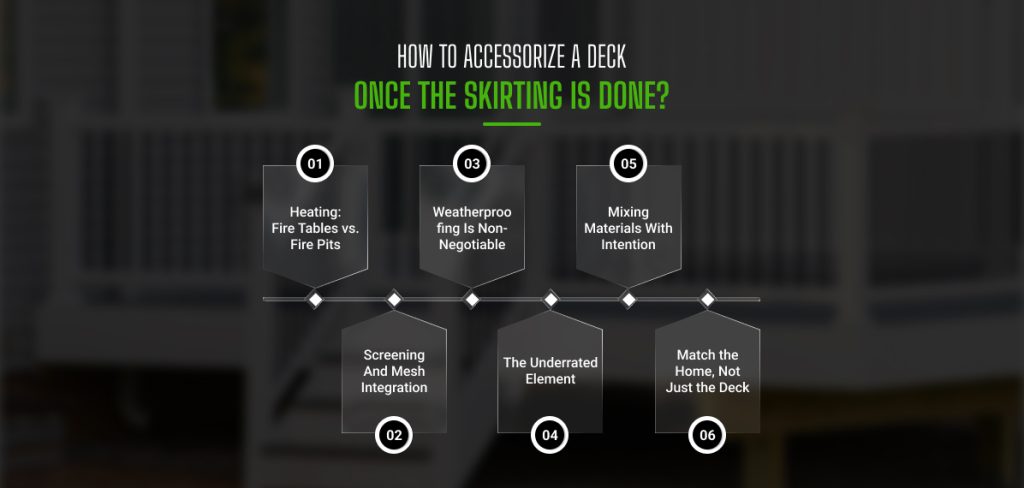
This is where many people stop short. The skirting goes in, the deck looks finished, and then people stack furniture in without much thought.
On top of that, it is worth noting that how you accessorize the space determines whether it is actually used and whether it holds its value. Here’s how to approach it properly.
Heating: Fire Tables vs. Fire Pits
This divide comes up constantly, and the answer to which one’s better really does depend on your situation.
For starters, fire tables are compact, controlled, and flexible. They work well on smaller decks where space is limited. Therefore, you also need something that can double as a surface. The first thought that comes to my mind is a gas-powered table.
Gas-powered versions are clean, easy to regulate, and don’t produce embers. Meanwhile, these features are important if you’re in a fire-prone area or have timber nearby.
Also, remember that fire pits are statement pieces. They draw people around them differently than a table does. I have also observed that there’s something about a proper fire pit that changes how a group gathers.
But they require more clearance and more maintenance. However, in some municipalities, they’re subject to restrictions worth checking before you buy.
Before either, confirm what your local regulations say. Some areas have specific rules around open flames on elevated decks, especially in drought-prone regions.
Screening and Mesh Integration
If you’re in a region where mosquitoes or insects are a genuine seasonal problem, here is something you can do. Make a smarter upgrade with screening built into the skirting frame. It extends the number of months the deck is actually comfortable to sit on.
Secondly, retractable mesh panels give you the flexibility to open things up in cooler weather and screen off in summer. At the same time, fixed screened sections work better for permanent enclosures. Either way, this is a high-utility upgrade.
Outdoor Furniture: Weatherproofing Is Non-Negotiable
This detail deserves more attention than it usually gets. On top of that, even a “covered” deck faces humidity, temperature swings, UV exposure, and rain splash.
Furniture that isn’t rated for outdoor use will deteriorate quickly. Similarly, cheap outdoor furniture that isn’t well-built will deteriorate almost as quickly.
So, what is a more durable and effective option?
You must go with powder-coated aluminum, quality teak, all-weather wicker with UV-treated resin, and marine-grade stainless hardware.
These materials cost more upfront. They cost less over a five-year window because you’re not replacing things.
From a resale standpoint, this matters too. A deck with weathered, cheap furniture that looks dull can undermine your whole exterior presentation.
Most importantly, buyers notice these small details before they lock in on a property.
Lighting: The Underrated Element
Deck lighting does two things that people underestimate. First, it makes the space usable after sunset, which effectively doubles the hours you spend on it.
Second, when done well, it transforms how the entire exterior of the home looks at night.
String lights work and look warm. But they’re increasingly common. Recessed deck lighting, step lights, and under-rail LED strips are more architectural in nature.
In fact, you can click better in-house photos with this ambient-lighting setup.
Solar-powered options have improved significantly. Moreover, now they are reliable enough for most climates, with none of the wiring complexity.
If you’re doing a proper renovation, hardwired lighting is worth the investment. On the other hand, when you’re working within a budget, solar-powered pathways and step lights are a reasonable start.
Mixing Materials With Intention
One of the most common mistakes on decks is accidental uniformity. We make everything with the same material, give them the same texture, and most importantly, the same finish.
But, it looks flat by all means. So what’s the fix? To clarify, the fix isn’t spending more. On the contrary, you must focus on creating contrast.
An ideal mix is wood with metal. First, go with smooth composite railings with a rough stone planter. Next, invest in matte furniture against a glossy skirting panel.
In the end, these inexpensive deckskirting ideas help create visual depth without visual clutter. Most importantly, they’re what separate a deck that looks designed from one that just looks assembled.
Match the Home, Not Just the Deck
Your deck should not look like an ‘add-on.’ Use the same trim color from your house’s windows or doors on your deck skirting to make the whole property look like one matching set.
For example, a sleek black composite deck on a Victorian cottage creates conflict.
On top of that, a weathered timber deck on a modernist build does the same.
Frequently Asked Questions
These are the answers that would help you by solving your queries. Read on…
It is certainly optional. But it also adds a significant upgrade to your home that you cannot deny. Firstly, skirting improves aesthetics and discourages pests. In addition, it makes the structure easier to maintain over time.
Most architects recommend that wood lattice and basic vinyl panels remain the most affordable entry points in 2026.
Not directly on paper. But a finished exterior creates stronger first impressions and photographs better. Again, both of these influence buyer perception and ultimately offer prices.
You can easily install deck skirtings by yourself. Most options, including lattice, vinyl, and basic wood panels, are DIY-friendly, with standard tools and a free weekend.
Here’s a pro warning: Before you drive a single screw, let your materials acclimatize.
Just lay your wood or composite panels flat near the deck for at least 24 to 48 hours before installing.
This lets the material adjust to your local humidity. This way, it will not shrink or buckle and create ugly gaps after the first big rain.
Yes, always. On top of that, remember that trapped moisture is the fastest way to shorten the lifespan of both the skirting and the deck framing behind it.
Here’s the Ventilation Math! The Experts recommend that at least 20% of your total skirting area should be open for airflow.
So, if you are using solid panels, you can install a vent every 150 square feet of under-deck space to prevent ‘cupping’!
This is where your deck boards warp because the bottom stays wet while the top dries.
If you want the best bang for your buck, you can go with Black Vinyl. From the street, it looks exactly like expensive painted wood.
However, it will never rot, and you will never have to pick up a paintbrush.
Read Also:




Leave A Reply