





Why Traditional Heating Is A Waste Of Money (Switch To Radiant Heaters!)
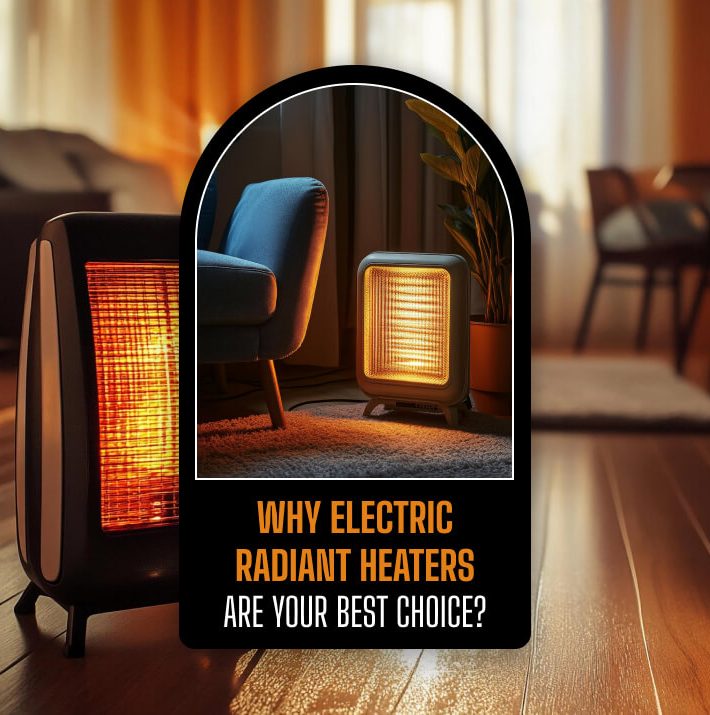
The winter season is the time of festivals and spending time with your loved ones. When the bone-chilling winds are brewing outside, all you want to do is curl up in a blanket and enjoy the warmth of your home.
Unfortunately, people who don’t have heaters in their homes may have a tough time dealing with winter cold. Most conventional heaters are very bulky and are not efficient in heating the entire home.
Thanks to the radiant heat technology, you don’t have to worry about heating problems anymore. The Bromic electric heaters offer atmospheric heat that warms your house by heating the surroundings.
The heat is evenly spread across the room without the help of any fans. You can plug in an outlet, install it on a wall or ceiling, and it will start heating the room as soon as you turn it on.
What Are Radiant Heaters?
A radiant heater is a device designed to transfer thermal energy directly to people and objects within its line of sight via electromagnetic waves.
Unlike traditional central heating systems, which warm up a room by cycling hot air through vents, radiant technology cuts out the middleman.
Think of it like stepping out of the shade and directly into the sun on a crisp winter afternoon.
Even though the surrounding air temperature hasn’t changed, you instantly feel the sun’s warmth on your skin.
Radiant heaters replicate this natural phenomenon inside your home, delivering immediate, directional comfort without needing to overheat the entire volume of air in a room.
How Do Electric Radiant Heaters Work?
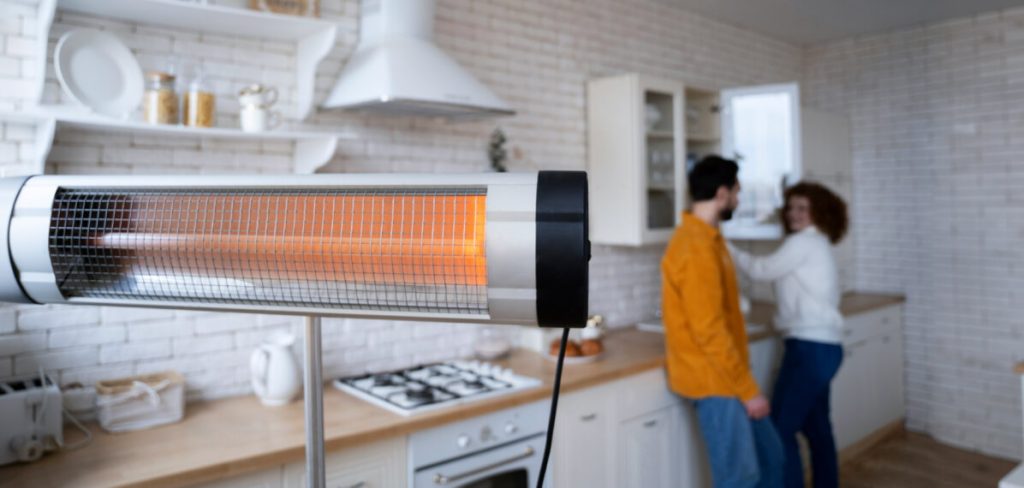
The mechanics of an electric radiant heating system rest on fundamental physics:
[Electricity Input] ➔ [Heating Element (Quartz/Carbon)] ➔ [Infrared Waves emitted] ➔ [Objects & People warmed directly]
- Energy Conversion: Electricity flows through an internal high-resistance element (such as quartz tubes, carbon fibre filaments, or ceramic blocks), causing it to glow and emit infrared radiation.
- Wave Emission: This energy travels outward through the room in invisible infrared waves.
- Absorption over Convection: These waves do not waste energy heating the air. Instead, they pass right through it.
- Direct Impact: The moment these electromagnetic waves strike an unheated solid surface—whether it is a cold wall, your living room floor, or your body—the energy is absorbed and converted directly into heat.
Types of Radiant Heaters
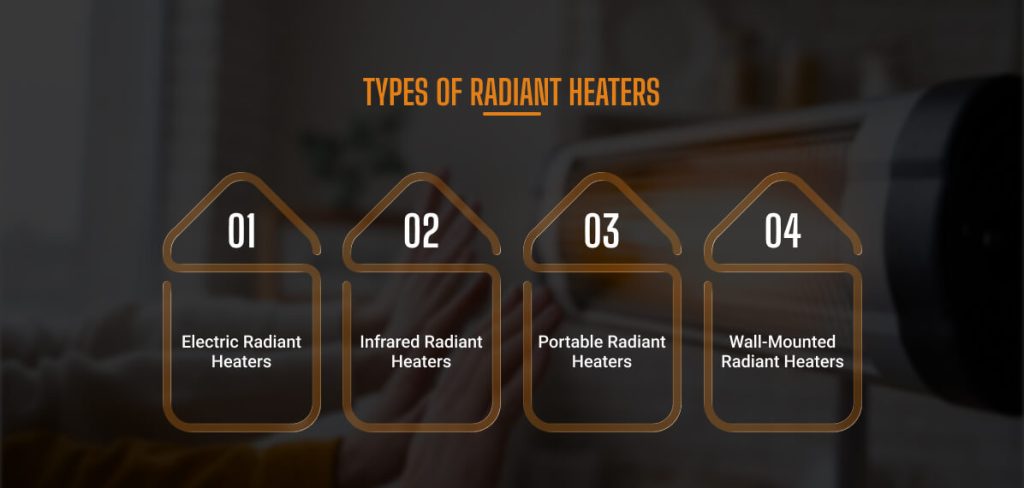
What equipment you pick largely depends on your purpose of installation and the floor area that needs to be covered.
Electric Radiant Heaters
These units are either plug-and-play type or permanently installed via cables to the home electrical supply.
They are most appreciated for their even heat production, minimal maintenance, and zero-internal-emission operation.
Infrared Radiant Heaters
Whereas every kind of radiation heater relies on infrared energy, certain high-power infrared radiators are engineered to operate on specific wavelengths (shortwave or medium wave) that allow them to transfer heat quite far away.
As such, these devices are ideally suited to outdoor or open areas exposed to constant wind.
Portable Radiant Heaters
Such portable heaters are fitted with handy handles, non-tipover base switches and a lightweight body.
This allows one to move them around with ease from one room to another in the house, like your home office and bedroom.
Such heaters are perfect for providing localised spot heating exactly where and when needed!
Wall-Mounted Radiant Heaters
These heaters are mainly for leaving more space available on the floor as they are permanently attached to walls or, in some cases, to ceilings.
High-end brands like Bromic produce elegant, slim wall-mounted panels that not only fit well with architectural aesthetics but also keep furniture at a safe distance.
Top Four Reasons To Choose Electric Radiant Heaters:

People often choose your next radiant heater, and here are the reasons why it has been a staple choice!
1. More efficient than baseboard heating systems
The efficiency is a crucial factor to consider, especially when the heater is going to be used for the entire winter season. You don’t want a heater that will skyrocket your energy bills and won’t even heat the home.
The baseboard heaters use electric resistance to heat the element in the heater. The generated heat is distributed from the heater. But as the baseboard heaters don’t have the fans to distribute or direct the heat, the heat needs to spread in the room on its own, limiting its ability to heat the entire room.
On the other hand, radiant heaters like Bromic electric heaters distribute the heat by transmitting it through electromagnetic waves. When these waves collide with an objector, humans warm them up. That’s why it is called atmospheric heating.
The radiant heat passes through the air and warms up the walls, roof, floor, and the people in the range of the heater, which is usually very wide. That’s why many people prefer radiant heaters over conventional heating systems.
2. No distribution of allergens and pollutants
One of the major problems with heating systems, HVACs, or fans in general, is they distribute the air by forcing it out of the system and spreading in the room. It increases the possibility of widespread distributions of allergens, bacteria, and pollutants.
Thankfully that isn’t the case with radiant heaters. As the heat is created internally and distributed through waves, there is no forced air in the room. That means lower or no distribution of contaminants and allergens and lesser illnesses.
3. Better control over heating
Electric radiant heaters have numerous functions you can use to maximize their usability. Temperature controls and heat settings allow you to control and regulate heat according to your need. That means if you need less heat, you can take it by a notch to make it more comfortable.
4. Portable and easy to operate
One of the most underrated benefits of radiant heaters is that they are portable. You can carry them in different rooms and outdoor areas like patios and decks to keep the spaces warm. You can just switch on the heater on the patio, and you will have the same heat as your living room.
Buying an electric space heater would be one of your best decisions to keep your house warm in winter. Make sure you buy the suitable model that suits your heating needs and fits within your budget.
Radiant Heaters vs. Convection Heaters
To help you choose the best system for your specific property layout, we have summarized the core operational differences between radiant models and convection units:
| Feature | Radiant Heaters | Convection Heaters |
|---|---|---|
| Primary Heat Target | People and solid objects directly | Air volume inside the room |
| Speed to Heat | Immediate (within seconds of activation) | Slow (requires time to circulate air) |
| Performance in Drafts | Excellent; unaffected by air movement | Poor; heat escapes easily through drafts |
| Air Quality Impact | Healthy; zero dust or allergen circulation | Poor; continuously circulates dust and dander |
| Noise Level | Silent; no mechanical fans required | Moderate hum from internal fans or blowers |
| Energy Profile | Highly efficient through zone control | Less efficient due to thermal ceiling stratification |
Are Radiant Heaters Energy Efficient?
Yes, radiant units are quite energy efficient.
However, to get as much as you can from them in terms of saving money, you need to be somewhat aware of their way of using electricity.
A normal electrical radiant unit, when it comes to energy profiling, transforms virtually 100% of its incoming electrical energy right away into thermal heat radiation.
According to a data collection performed by the US Department of Energy, radiant zone heating does away with the standard 20% to 30% ductwork energy losses.
This occurs in conventional ducted central heating systems.
To control your electricity bills, you should take care of your heating capacity. One room generally needs about 10 watts of electricity per square foot as heating input
For instance, a very normal 150-square-foot room would get quite warm enough with a 1,500 watt radiant heater.
If you strictly match the wattage of the appliance to the size of your room and put it with smart thermostats already set up.
Then you will effectively avoid over-usage and save quite a bit on your winter electricity bill for the year.
Where Can You Use Radiant Heaters?
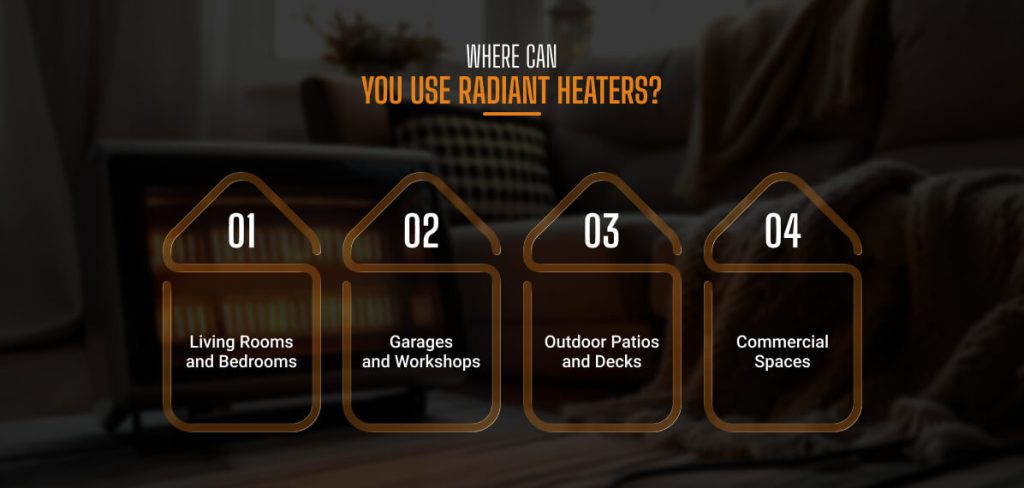
Because radiant heat functions independently of air currents, these units perform beautifully in a wide variety of architectural settings:
- Living Rooms and Bedrooms: They provide perfectly silent, draft-free warmth that won’t dry out your eyes, skin, or nasal passages while you relax or sleep.
- Garages and Workshops: Concrete floors and uninsulated walls stay notoriously cold during winter.
A ceiling-mounted radiant heater cuts straight through the chill, warming your tools and workspace instantly.
- Outdoor Patios and Decks: Premium brands like Bromic specialise in weather-resistant exterior radiant panels, enabling comfortable outdoor dining and entertaining even in the dead of winter.
- Commercial Spaces: Restaurant dining patios, open warehouses, and hotel entryways use large-scale radiant arrays to keep patrons warm without wasting money trying to heat the great outdoors.
Things to Consider Before Buying Radiant Heaters
Before choosing a specific make or model, verify that the equipment aligns with your structural setup:
- Heating Capacity and Wattage: Always cross-reference the unit’s total wattage against your room’s total square footage to prevent under-heating or overloading your electrical circuits.
- Safety Features: Prioritise models that come standard with built-in tip-over auto-shutoff switches, internal overheat protection, and cool-to-the-touch external casings.
- Installation Method: Decide early whether you want the mobility of a freestanding portable model or the clean, space-saving profile of a permanently mounted wall or ceiling panel.
- Ingress Protection (IP Rating): If you plan to install a heater on an outdoor patio or in a damp garage, verify that it has a certified IP rating (such as IP65) to ensure full resistance to dust and water splashes.
- Warranty Coverage: High-quality industrial and residential manufacturers stand behind their engineering by offering multi-year warranties on their heating elements.
Safety Tips for Using Electric Radiant Heaters
You may think that because modern radiant appliances are constructed with such a high degree of safety, it’s not really necessary to be too careful.
However, the fact remains that if you don’t operate according to rules, you can still have fire and electrical accidents at home.
Let’s look at some of the main safety measures to be aware of:
· The 3-Foot Rule
Kid your heater at least three feet from the edge of your curtains, a couch, sheets on bed or paperwork, etc. Any flammable items in the area that might catch fire should be kept this far away.
· Plug Directly Into Wall Outlets.
Heaters with high wattage require a fair amount of electricity. Do not connect them to an extension or power strip with more than one outlet. This might result in overheating and electrical fires.
· Keep Watch Of The Babies And The Pet
Despite the safety grills some of the models have, there are heat elements that can get quite hot even just looking.
So, keep little kids and cats or dogs away as much as possible when the heater is on.
· No Wet Places Please
Unless the heater has a waterproof rating as per IP standards or similar waterproofing, you can never turn it on in places like:
- Bathroom,
- Laundry room
- Terrace that is not covered.
It is risky even when a little water is there, e.g. splashes from a leak in the shower area can easily cause electrocution.
· Don’t Forget About Regular Cleaning Of The Heater
When you first bring your heater out of storage during the winter season, you must examine the electric cord to detect any fraying and signs that the cord has been in use for a prolonged period.
Read Also:


Leave A Reply