


The Hidden Costs of Owning a Pool Home: Insurance & Utilities (2026 Guide)
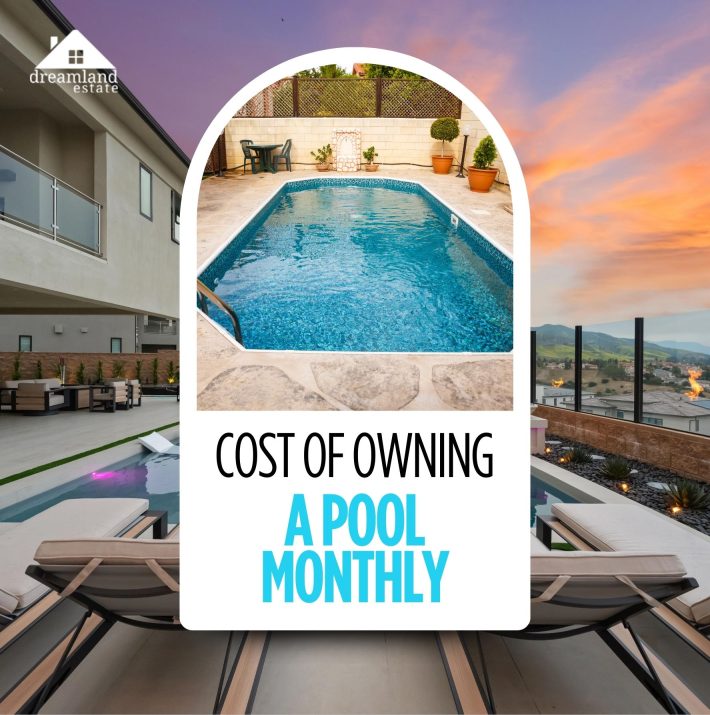
You finally discover the affordable home that fits you perfectly. It comes with a pool where you can spend your Saturday afternoon playing with your kids! But what about the cost of owning a pool monthly?
A fabulous and functional layout, a nice and safe neighborhood, and a backyard pool to seal the deal.
But here is one question most home buyers neglect to ask: Are you able to afford the extra $400 a month not included in the listing price?
The pool is one of the most beautiful components of your home, but it also comes with what many homeowners discreetly refer to as an “invisible mortgage”.
It is not included in your loan, but you are paying it every single month.
Because of electricity usage, water consumption, chemicals, pool cleaning, and the general wear and tear on the pool, the annual cost of owning a pool ranges from $3,000 to $5,000.
And that is still without considering the sudden repairs that you will have to make. Pumps break down. Filters get cracked. Heaters stop working, generally in the peak of summer.
Here is a guide to the real monthly expenses of owning a pool. What we have done is tell you the expenses for electricity, insurance, chemicals, and the repair costs that agents do not highlight, so you can decide whether this backyard option is really within your budget.
The Electric Bill Shock: Pump & Heater Costs

The cost of owning a pool monthly includes the electric bill shock, which can be massive.
Many buyers’ first surprise is when their electricity bill arrives after moving in with a pool. In fact, pool equipment has to operate daily, so expenses increase quickly.
Generally, the average monthly electric bill for a pool pump depends heavily on the type of system installed.
1. Single, Speed vs. Variable, Speed Pumps
Old technology (single-speed pumps) always operates at full power, usually for 8 hours a day. They are loud, inefficient, and costly.
Homeowners with such systems usually find that their electricity bill increases by $100 to $150 per month due to the pump’s use.
New variable, speed pumps are a completely different case. They operate for a much longer time but with significantly lower power.
This results in a cleaner pool and much lower energy consumption. Most houses with this system see their electricity bill increase by $30 to $50.
Action step: Before you decide to buy, inspect the pool area for equipment. If the pump is an old single-speed model, consider upgrading to avoid higher monthly bills.
2. The Heater Factor: Gas vs. Heat Pump
Pool heaters can surreptitiously be the largest expense of all. Gas or propane heaters can heat water quicklybut they consume fuel rapidly.
Heating a pool for just one winter weekend might easily cost you $200 or more in propane.
Heat pumps cost less to run but work more slowly and depend on outdoor temperatures. Either way, heating a pool turns “affordable” into expensive very quickly.
Insurance & Liability: The “Risk Premium”

A pool doesn’t only result in higher utility bills. It also affects insurers perception of your property.
From an insurance standpoint, a pool is considered an added risk, requiring more coverage.
Many buyers inquire about the cost of home insurance after installing a pool, and the answer is typically small but not nonexistent.
1. Premium Increase
Most homeowners will have their basic insurance premiums raised by $50 to $75 annually when a pool is included in the policy.
This is to cover the increased risk of injury and property-related claims.
Although it may not seem like much, it is a fixed cost that will remain as long as the pool exists.
2. The Umbrella Policy Requirement
This is the part that many buyers are unaware of. Insurance companies usually require a higher liability limit, generally $500, 000 or more, in case you own a pool.
To get that level, you will probably need an umbrella policy. An umbrella policy normally runs between $200 and $300 annually.
The pool is not the only thing this policy will cover; it will be very useful to you and your assets in case, for example, someone slips on the deck or gets hurt. It’s a little cost for a lot of peace of mind.
Maintenance Cost Of Owning A Pool Monthly: DIY Vs. Professional Service

After the pool is working, maintenance is a monthly decision.
Most homeowners calculate the cost of maintaining a pool themselves vs. having it serviced.
And the final decision of the cost of owning a pool monthly is mostly about convenience vs. effort.
Hiring a Pro: The Hands-Off Route
Professional pool service generally costs from $120 to $180 per month. This option is usually the choice of busy homeowners who don’t want to add another weekend chore.
What you get:
- Weekly cleaning and skimming
- Chemical testing and balancing
- Basic equipment checks
The biggest advantage is peace of mind. A knowledgeable technician can detect whether the pool is leaking or whether the pump or the filter is causing a problem, even before these issues become serious.
The negative side is the price. It is one of the biggest expenses in the pool area, if not the largest, when considered over time.
The DIY Route: The Sweat Equity Option
When you decide to maintain the pool yourself, the direct cost of supplies is about $60 to $100 per month.
Typical DIY costs are:
- Chlorine and shock
- Muriatic acid
- Test kits and cleaning tools
The hidden cost is time. You should be prepared to invest four hours a month in water testing, pool wall brushing, and filter cleaning.
Additionally, you must have a safe place to store chemicals, as they can be dangerous if not handled or stored properly.
Do Pools Increase Property Taxes?

Often, purchasers completely ignore this expense until they get the tax bill. Anyway, does a pool increase property taxes?
Most of the time, the answer is yes, but it depends on the type of pool.
In-Ground vs. Above-Ground Pools
An in-ground pool is basically a permanent improvement of a property.
Since they increase the propertys long, term value, local assessors will normally raise your home’s assessed value after either installation or discovery.
So, here is what an increase in your taxes actually means:
- Your assessed value can go up by $10, 000 to $20, 000
- This increase in assessed value typically leads to an increase in property taxes by $200 to $400 per year, i.e., for the first year only or for every year of the installation
- The increase remains for as long as the pool exists
Above-ground pools, on the other hand, are handled very differently. They are most often declared as chattel, or personal property.
Since they can be moved and are not permanently attached, they normally do not increase your property’s assessed value.
The main point is pretty straightforward: an in-ground pool can increase not only the value of your home but also your yearly tax bill.
It is definitely not a one-time cost. It is an ongoing one you need to include in your budget.
The “Surprise” Repair Fund (Budget For These!)

Having a pool is not only about the cost of owning a pool monthly maintenance.
Unexpected pool repairs can be a real shock when they all happen at once. As such, smart homeowners set aside money for emergencies.
Equipment Failure Timeline
Most pool equipment is replaced on schedule:
- Pump (around year 7): about $1, 200 to replace
- Filter cartridges (around year 3): roughly $150
- Pool resurfacing (around year 15): $10, 000 or more, depending on size and finish
These are no-choice repair works. Once the equipment ceases, the pool becomes almost impossible to use.
The Green Pool Recovery
A pool in a neglected house or a foreclosure can be another surprise.
If the water is green, you need to set aside around $ 1,500 for professional pool water draining and cleaning. Most of the time, this is the only way to bring the pool back to life.
Expert Tips To Lower Your Pool Bills

Owning a swimming pool doesn’t mean your budget will be wrecked. Just implement a few changes, and you can save yourself thousands of dollars in the long run.
- Screen enclosures are a good way to save money. A screened pool, such as a lanai, in the South reduces leaves and bugs, thereby reducing cleaning costs by up to 50%.
The insurance is not only less costly, but in some cases, a home with a screened pool can be seen as a lower liability risk by certain insurers.
- Run the pump at night. If your utility offers time-of-use rates, running your pump from 10 PM to 6 AM can reduce your electric bill by 30%.
- Be mindful of the level of your pool water. If you have to add more than 2 inches of water a week, it is more likely that you have a leak than that the water is evaporating. Do a bucket test immediately.
- Purchase chemicals in bulk. Getting large tubs from pool suppliers that are properly stocked in bulk is far cheaper than buying small jugs at hardware stores.
- Buy a robotic pool cleaner. A robotic cleaner that costs $600 can do the work that would otherwise cost you $ 1,500 a year.
- Think about the saltwater option. Saltwater systems are less costly to run each month, helping maintain a consistent monthly expenditure.
- Look at the skimmer weir closely. If the $10 flap is missing, it is not just that your pump is working harder; it is also wearing out more quickly.
- Switch to LED lighting. Besides lasting longer, LEDs also consume considerably less power.
- Inquire regarding safety and related discounts. A secure pool fence might be capable of reducing your insurance premiums.
- Winterise correctly. Proper pool closing is far cheaper than repairing frozen pipes later.
Valuation & Upgrades: Is It Worth It?
When it comes to home value, pools don’t generally add dollar-for-dollar returns. Appraisers normally consider how useful something is rather than how much it costs to make it.
If you spend $100,000 on building a pool, you’ll probably only get about $30,000 back in the appraisal.
This is the reason why purchasing a property that already has a pool is usually the wiser decision. You get the benefit of a very expensive feature at a price much closer to the cost of the pool.
Before buying, check a few things:
- The 30-year rule: If the pool is 25 years or older and hasn’t been resurfaced, take your offer down by about $ 10,000.
- Signs of leakage: Wet grass around the equipment pad or cracks in the deck may indicate ground settlement or a leak.
If the pool is sturdy, then well, thought-out renovations can be a hit:
- Automation ($ 2,000): Increases resale value and control via the phone.
- Variable-speed pump ($1,500): Pays for itself through savings in less than 2 years.
- Heat pump ($4, 000): Let’s you swim longer during the season and makes the home more valuable year-round.


Leave A Reply