






Is A New Build Home Right For You? An Honest Buyer’s Guide

Are you planning about buying a new build home? Do read this article before you make any decision!
New-build homes haven’t historically had the best reputation. A couple of decades ago, the term “new build” conjured up images of small, boxy rooms and questionable construction quality.
But that has certainly changed in the last decade, as house builders have got to grips with what can be achieved through more attentive design and the intelligent use of space.
So, whether you’re looking for a box-fresh house in Tunbridge Wells or browsing new homes in Trimdon, there’s no longer a reason to disregard newer properties.
The New Build Buyer
New builds are statistically the preferred property type for first-time buyers.
Their affordability, both before and after purchase, makes them excellent options for budget-conscious first-time buyers.
These buyers may not necessarily have the DIY experience or funds to take on improvements for buying a new build home.
Downsizers also reap plenty of rewards from the new build market, with the ease, convenience, and low maintenance of the average new build property a major selling point.
New builds appeal to both the cash-poor and the cash-rich, offering a shiny new property they can settle into right away.
How Do Older Homes Compare?
The great debate about whether new builds or older homes are best rages on. While most have their preference, weighing up the pros and cons of each property type is an important part of the home-buying journey for first-time purchasers and movers.
In terms of affordability, older properties may cost a little less upfront, but the investment required to turn that house into a home can be much greater.
New builds, especially those in cities and prime locations, can be just as much of an investment. Yet, don’t need the same level of attention or money going forward.
The modern features, energy efficiency, added convenience, and instant comfort offered by a good quality new build home are made for contemporary living and busy lifestyles.
Team this with the available personalisation options, and buyers have everything they need to create a home that’s just for them.
Understanding The Real Costs
As a prospective homebuyer, your focus will be firmly on the bottom line at the point of purchase.
Understanding the costs of home ownership in the longer term, however, can make the decision between new and old pretty clear-cut.
The higher maintenance costs and hidden issues that often go hand in hand with older properties may require a significant investment in the near future.
While it’s likely you’ll be able to recoup these costs thanks to the increased value renovations and improvements bring, this isn’t always the case.
Well known for their low maintenance, new builds need less attention, especially if the property has a good warranty.
It is important to note that no home is maintenance-free, with repairs and updates required over time for every property.
Living The New Build Life
Buying a new build home certainly brings a particular lifestyle with everything new and the latest technology in town (including energy-efficient perks).
This way, you’ll have less to concern yourself with at home, meaning you can get on with what’s important to you.
A new build enables you to unpack and go, so you can throw yourself into the surrounding community, make the most of local amenities, and really enjoy everything your new home is all about.
From young professionals looking to focus wholeheartedly on their careers to families searching for the perfect places to raise happy, healthy children!
Even the ready-made neighbourhoods most new-build properties are part of are special places to be.
Understanding Your New Build Home Warranty
Buying a new build home always seems exciting. However, you need to know how you are protected.
Most builders can provide you with a structural warranty that lasts at atleast 10 years.
This insurance can cover various major issues with the house’s bones. For example, it can protect you if the foundation cracks or the roof beams fail!
You can find all the detailed guides on these policies from the National House Building Council (NHBC) or similar providers, such as LABC Warranty.
1. The Two-Year Fix Period
During the first two years, the builder is highly responsible for the smaller issues. This is often known as the defects insurance period.
If your windows start to leak or the pipes drip, the builders need to fix them!
Furthermore, they can also address snags such as uneven plaster or loose tiles. It is necessary to report these issues as quickly as possible.
2. Manufacturer And Structural Coverage
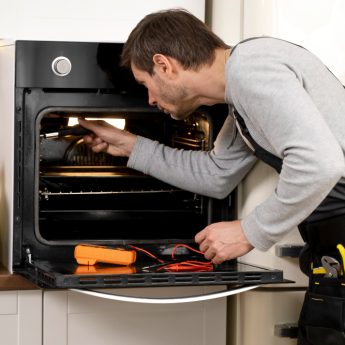
Beyond the builder, your appliances have their own protection. Items such as the boiler, oven, or dishwasher come with the manufacturer’s warranty.
These typically last for at least one or two years.
In addition, the final eight years of your ten-year policy focus primarily on structural defects.
So, in short, your home has layers of protection that can change over time.
Financing A New Build vs. An Older Property
Like I have said before, buying a new build home is a huge step. The way you pay for the same depends on the house type. Thus, new builds and older homes have different loan rules.
1. Loans For New Build Homes
New homes always come with special perks. Many builders partner with banks to offer the incentives.
For example, they might pay your closing costs. Some can offer you lower interest rates to help you to buy.
Furthermore, the government programs such as the First Homes Scheme often target the new builds.
But? Well, there are specific risks. The new homes can be overpriced. This is known as a “new build premium.” Because of this, some lenders often ask for a larger deposit.
They want to ensure that the house is worth the loan amount. Also, the mortgage can offer you an expiration in just six months. If your house takes a longer time to build, you may need to reapply.
2. Loans For Older Properties
Financing for an older home is more traditional. You often need a smaller deposit, such as 5% or 10%.
Lenders find the older homes less risky. Reason? Well, their values are stable. But, the condition of the property also matters a lot!
If an older house needs major repairs, a bank might “retain” some of the funds. This means they hold back part of the loan until you fix the roof or wiring.
You can use a mortgage calculator from MoneyHelper to see how these costs affect your monthly budget.




Leave A Reply