




Barndominium Kit Prices Explained: What the Quote Covers and What It Does Not
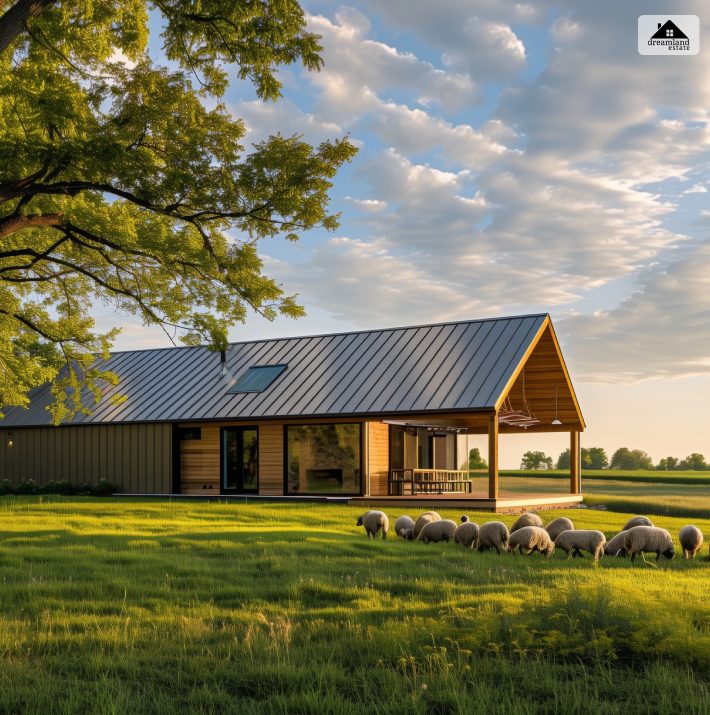
Barndominium builds look simple from a distance. It might include a square footage number, a base quote, or a few glossy renders. However, real projects are not that neat.
At the outset, barndominium kits can make the shell easier to price and faster to source. But the listed amount is rarely the full-home amount.
That is where buyers get tripped up. Not because the product is bad. Rather, it is because the quote and the finished budget are speaking two different languages.
The sharper question is not whether a kit seems affordable at first glance. It is whether the package matches the job site, the structural system, the local code burden, and the level of finish expected inside the home.
That difference matters more than the marketing number.
What Is A Barndominium?
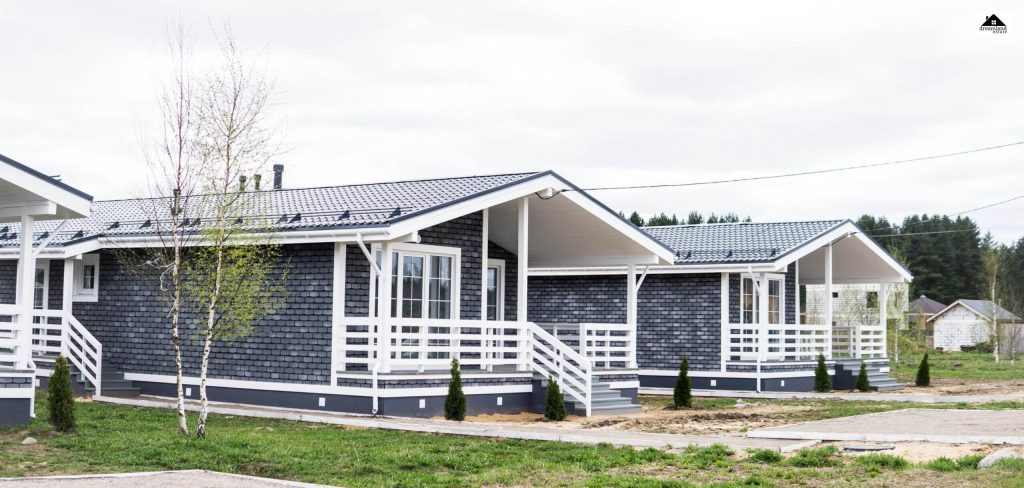
A barndominium is a residential structure that borrows the wide-span, barn-style form. It is mostly associated with metal or post-frame buildings. Then, it adapts that shell for full-time living.
The appeal is pretty obvious with open layouts and a flexible footprint. It is a structure that can house living space, storage, a garage, a workshop, or some combination of all three. The catch, though, is that form alone does not determine cost. Rather, package scope does.
Imagine a cozy home that is just as sturdy as a barn. That is what a barndominium serves you. It is a cool blend of rustic charm and modern comfort. You can think of it as a house that is built with a steel frame and is usually covered in metal siding.
And here comes the best part…you can customize your barndominium completely. Whether you want a spacious kitchen, a huge garage, or a cozy bedroom, you can customize your barndominium however you wish.
Barndominium Kits With Prices: Types Of Price Ranges
So, are you thinking about building a barndominium by now? Then, I must tell you, you are on to making the right decision for yourself.
As I previously said, these trendy structures are a perfect combination of rustic charm and modern home comfort. This is something that makes the barndominium super appealing for you. But! Before you actually jump into the design phase, you must understand barndominium kits with prices.
Once you figure out what to expect, you can plan even better. This way, you won’t have to create your dream while breaking the bank account.
The Concept of a Barndominium Kit
A barndominium kit is a pre-engineered package of building components intended to simplify the structural phase of construction.
In most cases, the kit covers the shell and not the entire residence. So, depending on the supplier and system, the package may include the following:
- Structural members
- Wall and roof panels
- Trim
- Fasteners
- Sometimes framing for selected openings.
However, it is not always straightforward in practice. This is because one supplier’s “complete kit” can still leave out a long list of cost-heavy items.
What Different Barndominium Kits Actually Include
The phrase sounds standardized. Actually, it is not the case. In fact, one package may cover little more than the outer shell. Meanwhile, another may add framing, openings, insulation, or partial interior components.
Comparing two kit prices without comparing the kit scope is how buyers end up chasing a low number. This does not survive first contact with the actual build plan.
| Kit Format | Usually Included | Commonly Left Out | Best For |
|---|---|---|---|
| Shell kit | Primary structure, roof, siding, trim, fasteners | Slab, windows, doors, MEP work, insulation, finish-out | Buyers who already have a contractor team and want pricing control |
| Cold-formed steel package | Shell plus more detailed framing, sometimes openings and panelized components | Site work, foundation, finish materials, labor | Buyers who want a more guided assembly path |
| SIP-based package | Structural insulated panels, enclosure components, stronger thermal envelope | Specialized installation labor, foundation, full interior finish-out | Buyers prioritizing enclosure speed and thermal performance |
| Red-iron system | Heavy steel frame with broad open spans and durable shell potential | Welding-related labor, most interior systems, finish-out | Larger spans, garages, workshops, mixed-use layouts |
The useful distinction is not cheap versus expensive. Rather, it is complete versus incomplete, and also simple versus labor-heavy.
In fact, a lower sticker price might still produce a higher final build total. This happens if the assembly method is demanding or the missing components are expensive to source later.
That is the part many list-style articles skip. Also, it is the part that changes the budget.
The Key Factors That Are Influencing Cost
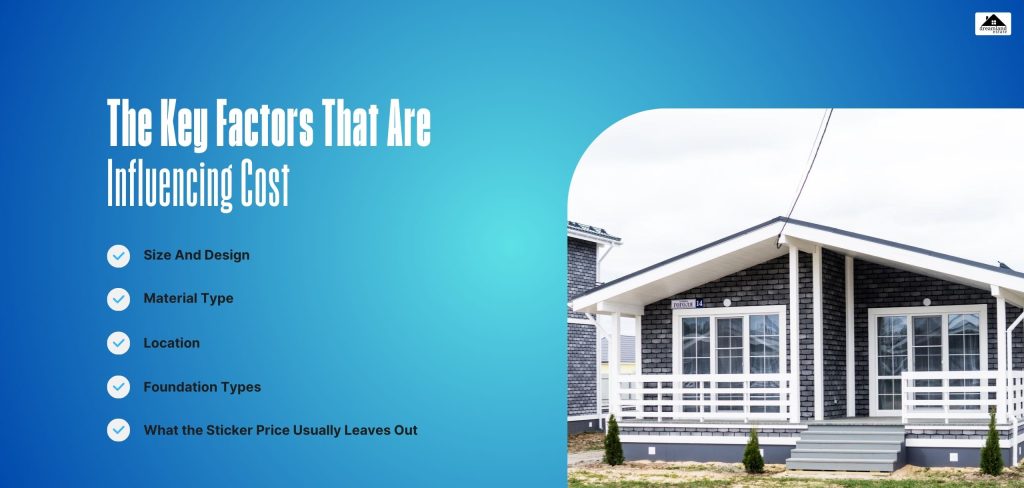
Before we get into the discussion about barndominium kits with prices, firstly, we must discuss the factors that can affect the amount you will pay for a barndominium kit. Here are some of the factors that you must keep in mind.
Size And Design
This is a big thing to consider. Trust me! The larger your barndo is, the more you can expect to pay. The smaller kits (which are around 1000 square feet) are generally cheaper than the larger ones (2500 square feet or more).
On the other hand, the complexity of your design also plays a huge role. If you love minimal aesthetics, then the design might cost you less. Whereas, if you are a maximalist, then the fancy layouts, along with custom features, can cost you more.
Material Type
The type of material you choose can affect your overall budget. Metal and steel are known for their durability, but they also come with higher price tags. Wood materials can be an affordable option for you, however.
Moreover, please don’t forget about insulation, exterior finish, and roofing type, as they may add a lot to the overall cost.
Location
Where you are going to build the barndominium matters, too. Yes! If you are in a rural area, then there is a chance that you will get lower labor charges and material costs compared to urban settings. On the other hand, local building codes and permit fees can also impact your budget.
Foundation Types
The type of foundation can also affect your overall budget. Whether it is a concrete slab, pier, or beam, there can be specific requirements that can lead to additional costs.
What the Sticker Price Usually Leaves Out
This is where the conversation gets real. In general, kit pricing creates a clean entry point, but not a clean final budget. The shell may be quoted early because it is easier to standardize.
The rest of the project is much more complex. The following aspects start pushing from the edges:
- Site conditions
- Utility distance
- Local engineering requirements
- Permit friction
- Delivery logistics
- Insulation strategy
- Interior finish quality.
Then the edges become the actual budget. In fact, a practical reading of any quote starts with exclusions, not inclusions. That sounds backward, maybe a little cynical. Still, it is the right way to read construction pricing.
The items below are where supposedly affordable projects start drifting upward.
| Cost Area | Why It Changes the Budget Fast | What Buyers Often Miss |
|---|---|---|
| Site prep | Clearing, grading, drainage, access issues | Uneven or poor soil can reshape the whole plan |
| Foundation | Slab thickness, reinforcement, frost or moisture requirements | The shell price may have nothing to do with slab complexity |
| Freight and delivery | Distance, oversize loads, unloading needs | Shipping can feel minor until it is not |
| Erection and labor | Crew availability, assembly method, timeline risk | A “DIY-friendly” kit still may not be cheap to erect well |
| Mechanical systems | Electrical, plumbing, HVAC | Rough-ins and final fixtures are rarely small-ticket items |
| Interior finish-out | Drywall, cabinets, flooring, trim, paint | Finish level changes total cost more than many buyers expect |
| Permits and engineering | County rules, stamped plans, revisions | Local approval can create both cost and delay |
Hence, buyers should stop asking only, “What does the kit cost?” Rather, the better question is, “What part of the finished home does this quote actually cover?”
Reading Price Ranges Without Getting Misled
Of course, entry pricing does matter. However, merely square footage does not explain why one package looks dramatically cheaper than another. Rather, the real split usually comes from:
- System type
- Enclosure depth
- Design complexity
- Span width
- Openings
- How much of the build has been bundled into the package?
In fact, a small package might still be expensive if the specification is dense. Meanwhile, a large one might still look cheap if it is a little more than a structural shell.
A more realistic way to read pricing is by building intent.
Essentially, budget-oriented packages usually appeal to buyers who are comfortable managing contractors, sourcing missing materials later, or keeping the interior finish spec restrained.
Mid-range packages often provide better coordination and fewer procurement headaches, but they still do not erase site work or interior costs.
Premium packages offer design flexibility and stronger package depth, yet that does not automatically mean the finished home is “complete” in any turnkey sense. That assumption causes a lot of budget drift.
| Budget Band | What It Often Signals | Main Risk |
|---|---|---|
| Lower entry price | Basic shell, fewer bundled components, leaner specs | Buyers mistake shell cost for move-in cost |
| Mid-market package | Better coordination, more framing detail, stronger design options | Customization starts widening the budget gap |
| Higher package quote | Larger span, more openings, deeper package scope, stronger spec | Buyers still underestimate site and finish-out costs |
What Matters More Than the Listed Number
Although named packages are useful reference points, they work only when the comparison is normalized. In fact, it is unfair to judge a kit with windows, doors, and interior framing the same way as a shell-focused package.
Actually, the number alone is lazy analysis. Rather, scope is the real story.
| Comparison Lens | What to Check | Why It Matters |
|---|---|---|
| Structural system | Red iron, CFS, SIP, hybrid | Labor method, thermal profile, and assembly demands change quickly by system |
| Package depth | Shell-only versus shell-plus components | Two kits with similar prices may cover very different portions of the build |
| Span and layout | Open shop space, garage width, porch load, room count | Larger uninterrupted spans usually change structural demands |
| Opening package | Windows, exterior doors, garage doors | Openings influence both price and installation complexity |
| Engineering and compliance | Site-specific drawings, code alignment, revisions | A generic plan is not the same as a site-ready package |
| Hidden follow-on costs | Freight, slab, MEP, insulation, interior finish | This is where “affordable” often stops feeling affordable |
Not all Barndominium kits solve the same problem. For instance, some are designed to get a shell standing fast. Others are built to reduce sourcing friction by bundling more of the enclosure and framing package.
In fact, neither approach is automatically better. So, the right choice depends on
- Labor access
- Climate demands
- Design ambition
- The amount of coordination that the buyer wants to take on personally.
Major Buying Mistakes That Distort the Budget
The following are some of the major mistakes buyers make that end up distorting the budget:
- Treating the kit price as the total project price. In fact, that one shows up constantly.
- Comparing package names instead of package contents.
- Assuming every supplier defines “complete” in the same way.
- Underestimating the cost impact of choices that feel cosmetic at first. Some examples are window count, porch depth, ceiling height, and interior finish level.
Meanwhile, a smarter buying process starts by asking for a scope breakdown in plain language.
It is about asking what is included and excluded. Also, it is about finding out what requires separate procurement, what requires specialty labor, and what requires local engineering revision.
The Real Price Story Is Scope, Not Just the Sticker
Of course, a low quote might be useful. However, it just cannot be read in isolation. Hence, the better way to judge Barndominium kits is to look at scope, structural system, and site demands. Then, it is important to finish out the burden together, not as separate decisions.
That is the whole game, honestly. In fact, buyers who compare only the visible numbers are shopping for optimism. Also, buyers who compare scopes are budgeting for reality.
Moreover, the second group usually ends up closer to the home they planned. Also, they are much closer to the number they thought they were signing up for.





Leave A Reply