



Buying A Fixer-Upper Property? Read This Before You Make An Offer!
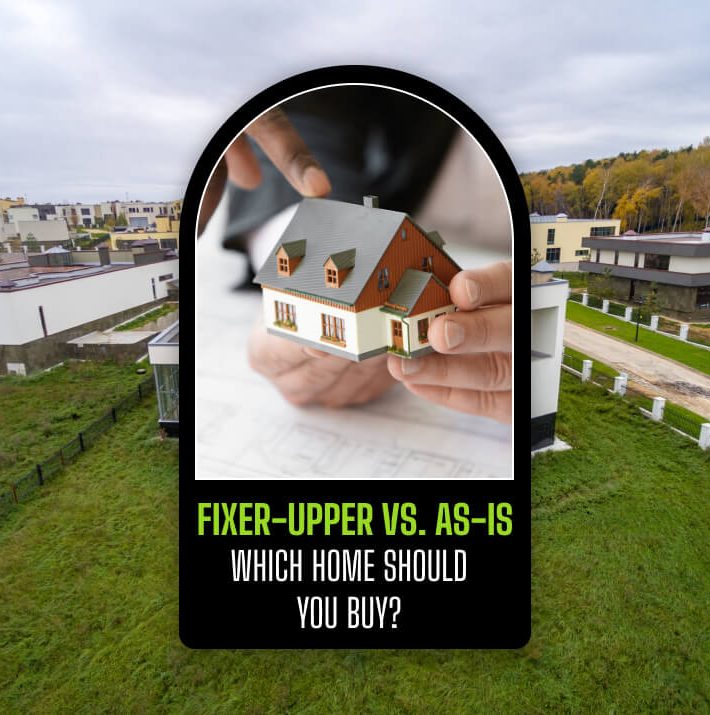
Purchasing a home is one of the biggest milestones in life, but it immediately presents a challenging crossroads:
Do you invest in a fixer-upper with great potential, or buy an as-is, move-in-ready property?
Balancing the excitement of designing a custom space against the reality of renovation stress, hidden construction costs, and personal free time can quickly feel overwhelming.
If you are struggling to choose between a project home and a maintenance-free property, considering a few foundational factors will help you make a confident, practical choice.
What Truly Defines A Fixer Upper?
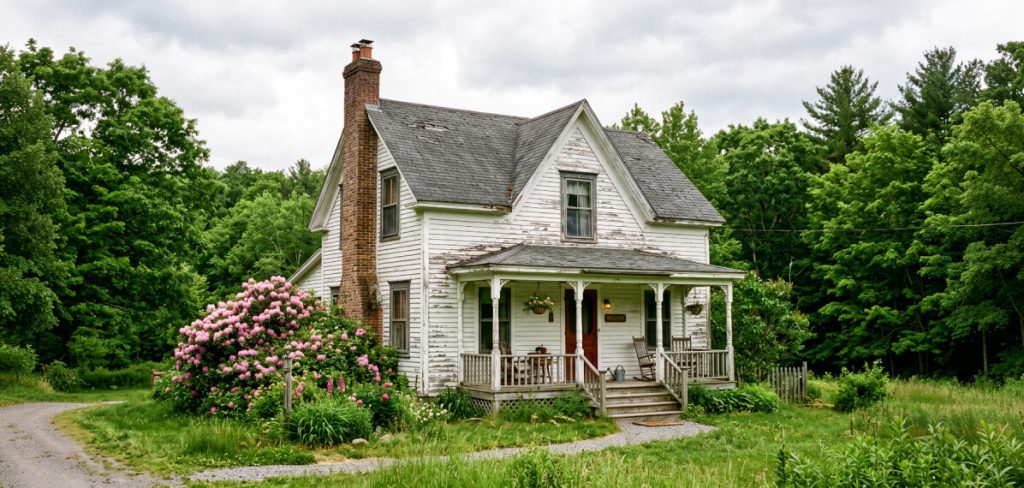
Before choosing between a fixer-upper and an as-is home, it helps to understand what a true fixer-upper looks like in the real estate market. Generally, these properties share a few distinct traits:
- The asking price is deeply discounted to offset the cost of necessary repairs.
- The home requires multi-layered attention, meaning it has more than one single problem or issue.
- The property features a mix of cosmetic or structural flaws, but it remains safe and legal to live in while you complete the work.
Understand the Nature of the Work

Fixer upper covers a lot of territories. Mistake home buyers often make is focusing too much on elements in a house that are relatively easy and inexpensive to change, such as ugly carpet or wallpaper.
If you’ve fallen in love with a house that needs some cosmetic alterations, it’s probably worth it to go through with the purchase.
On the other hand, some houses may look tremendous but show signs of major problems, they may have serious structural issues or other problems that will cost an enormous amount of money to fix.
Structural vs. Cosmetic: The Renovation Checklist
To protect your budget, you must categorize the home’s needs before making an offer. Use this structural breakdown during your walkthrough:
Easy and High-ROI Cosmetic Fixes:
- Interior and exterior painting
- Replacing outdated light fixtures and hardware
- Ripping out old carpets to lay down new flooring
- Basic landscaping, planting, and sodding
Expensive and High-Risk Structural Fixes:
- Foundation cracks, settling, or bowing walls
- Complete roof replacement or water damage remediation
- Outdated electrical systems like knob-and-tube wiring
- Galvanized steel plumbing lines requiring a full house repipe
Somewhere in between are beautiful older homes that have a lot of minor things go wrong with them so they need to keep repairing things that feel never-ending. You can be happy with this situation, but you should know what you are getting into.
Financial Risk And Property Liability Warning
Purchasing a residential property involves immense long-term financial liability.
Unforeseen structural, plumbing, or electrical failures in a fixer-upper can result in tens of thousands of dollars in unexpected debt.
Before signing any contract or waiving contingencies, always hire an independent, licensed home inspector and a structural engineer to assess the property.
Fixer-Upper vs. As-Is Comparison Breakdown
- Upfront Purchase Price: Lower for fixer-uppers; higher for move-in ready homes.
- Immediate Cash Needed: High for fixer-uppers due to construction; low for as-is properties.
- Time to Move In: Delayed for weeks or months for fixer-uppers; immediate for move-in ready homes.
- Equity Potential: High forced equity for fixer-uppers; low organic growth for as-is properties.
- Stress and Effort: High contractor management for fixer-uppers; low maintenance for as-is properties.
Consider Your Budget

Another thing to weigh is cost. In some cases, a fixer upper may look like a bargain until you consider how much work needs to be done.
In other cases, you may find that the fixer upper still comes in at or below the price for the as-is home, or it may end up being more, but you decide it’s worth it.
The Hidden Reality Of Renovation Returns
When calculating your budget, keep in mind that home improvements rarely offer a dollar-for-dollar return on your investment.
Spending 8,000 to replace outdated or hidden systems like old wiring ensures the home is safe.
However, it will not automatically increase your property value by that exact amount.
On the flip side, visible structural additions, such as adding a second bathroom, often pay for themselves entirely and can add twice their construction cost to your home’s future resale value.
Keep in mind that there are options for some of the work you may need to undertake.
A personal loan may be available with a repayment plan that suits your budget when you need it the most.
The 20% Contingency Buffer Rule
Experienced real estate investors never budget to the exact penny. When calculating your renovation costs, always add a mandatory 20% contingency buffer to your final estimate.
If contractor quotes total 30,000, ensure you have access to 36,000.
This protects you from defaulting or halting construction when hidden issues like mould, rot, or out-of-code wiring are discovered behind drywall.
Specialized Renovation Financing Options
Instead of high-interest personal credit cards, explore structured mortgage products designed specifically for fixer-uppers:
- FHA 203k Loan: A government-backed mortgage that rolls home purchase price and renovation costs into a single, low-interest loan.
- Fannie Mae HomeStyle: A conventional mortgage option allowing buyers to finance repairs up to 75% of the property’s as-completed value.
Your Capacity for DIY
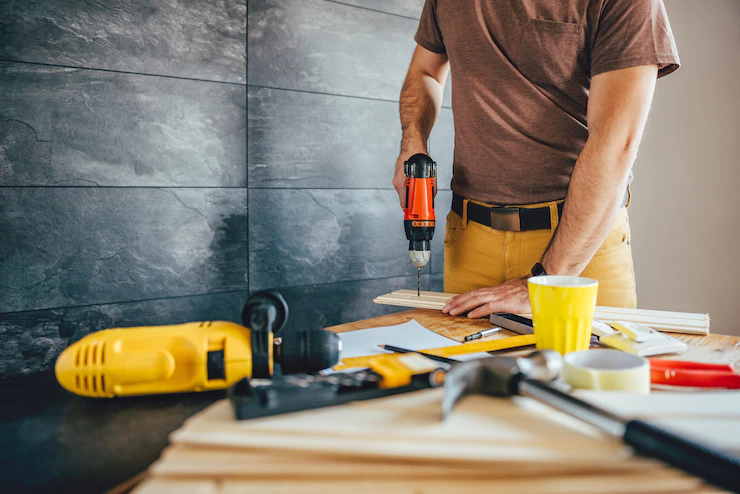
Are you happy to give up much of your free time to work on the house? Even homeowners who don’t think of themselves as being particularly enthusiastic about DIY often find themselves spending evenings and weekends doing repairs or renovations.
Make sure you’re willing to devote at least some time to this. Enthusiastic DIY-ers should still hire professionals for such complex work as plumbing or electricity and shouldn’t underestimate the amount of work they are undertaking themselves even if they are looking forward to it.
Following Your Gut
Many people will say that renting is better than owning a house, but that is the minority opinion. While there are plenty of reasons that purchasing a home makes more sense than renting one in certain circumstances, there is a lot about buying a home that is based on your emotions.
For many people, there is something about having a place that they can call their own, even if on paper it’s going to be a strain to afford it.
When it comes to choosing between a home that doesn’t need much or any work and one that does, if you have taken all of the above points into account and you still can’t decide–or if you still desperately want the fixer upper even as logic is pushing you in the other direction–you should probably go with your gut.
Choose the house that you’ll be happy coming home to each day.
Additionals:





Leave A Reply