






The Ultimate Buy To Let Mortgage Secrets: How To Build A Rich Property Portfolio Without Losing Your Mind!

Stepping into the property market to build a steady second income is an exciting milestone.
Buying a house or flat specifically to rent it out is a proven way to grow long-term wealth and secure your financial future.
However, navigating the rental world involves much more than just finding a nice property and picking the perfect tenants.
From securing a competitive buy to let mortgage to understanding complex tax laws, legal paperwork, and ongoing landlord fees, there is plenty to map out first.
Fortunately, we have broken down all the essential steps right here so you can invest with absolute confidence!
What Is Buy To Let?
Imagine buying a house or a flat, but instead of moving in yourself, you rent it out to someone else.
That is exactly what Buy to Let is all about! It is a popular way to invest your money in property.
Whether you are stepping into the property market for the very first time or looking to grow an existing portfolio, getting the right financial setup is the absolute key to making your investment a massive success.
How Does It Actually Work?
The main goal here is pretty simple: you become a landlord. By letting tenants live in your property, you create a steady, monthly stream of rental income.
In a perfect world, the rent your tenants pay should easily cover:
- The monthly mortgage payment.
- Extra costs like building insurance, ongoing repairs, and letting agent fees.
- A nice little chunk of monthly profit left over for you.
On top of that, there is another big bonus. Over time, property prices usually go up.
This means your property could grow significantly in value, giving you a substantial lump-sum profit (called a capital gain) whenever you decide to sell it down the road.
What Is A Buy To Let Mortgage?

Unless you have a massive pile of spare cash sitting around to buy a property outright, you will need a special loan.
This is where a Buy To Let Mortgage comes into play.
You cannot just use a standard home loan for this because regular home loans are only there for properties you actually live in.
While a Buy To Let Mortgage works similarly to a normal mortgage, it does have a few unique rules you need to know about:
· Borrowing Power
Lenders do not just look at your personal salary. Instead, they care about how much rent the property can actually make.
Usually, banks want the expected rent to cover at least 125% of your monthly mortgage interest payments.
· Your Salary
Even though rent is the main focus, most lenders still want peace of mind. Because of this, they usually require you to have a personal income of at least £20,000 to £25,000 a year.
· Higher Rates and Fees
Lending money for a rental property is also riskier for banks. Consequently, interest rates and setup fees are usually a bit higher than standard residential mortgages.
Sometimes they calculate these setup fees as a percentage of your total loan amount rather than as a flat fee.
· Bigger Deposits
You will need to put down more money upfront. While a normal home might only require a 5% deposit, rental properties usually require a minimum deposit of 20% to 25%.
If you want to unlock the absolute cheapest deals, you will likely need to put down 40% or more.
· Interest-Only Payments
Most of these loans are set up as interest-only. This means your monthly payments cover only the interest charges. This keeps your monthly outgoings low.
However, you need to keep in mind that you will still owe the full as well as original loan amount back to the bank when the mortgage term ends.
How Much Can You Borrow?
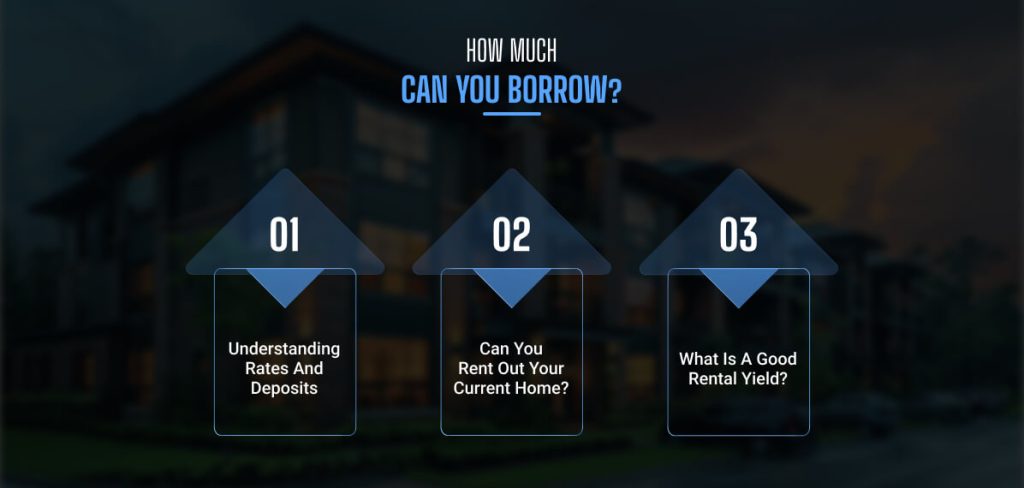
When you apply for a buy to let mortgage, the amount you can borrow depends heavily on the property’s rental income.
Typically, banks want your rental income to be about 25% to 30% higher than your monthly mortgage payment.
This is why you must use an online calculator for a quick estimate.
But what happens if the rental estimate falls a bit short? Well, you might need to put down a bigger deposit upfront.
Fortunately, some flexible lenders will actually let you use your own spare personal income to bridge that gap.
Therefore, it really pays off to shop around and get expert advice to find these hidden gems.
A. Understanding Rates And Deposits
Finding the right deal means carefully comparing current interest rates, as the best option always depends on unique financial situations.
Alongside the rates, budgeting for a solid deposit is essential. Generally, at least 20% to 25% of the property’s total price is required upfront.
However, to unlock the absolute cheapest deals on the market, you would need a 40% deposit.
B. Can You Rent Out Your Current Home?
For those considering moving out and renting their current home, there are two main options.
First, the existing home loan can be legally switched to a proper buy-to-let mortgage. This is usually the smartest path for long-term renting.
Alternatively, asking a bank for something called “consent to let” is another route.
This special permission allows renting out the property without changing the mortgage type, which is often suitable for short-term situations.
C. What Is A Good Rental Yield?
To figure out if a property is a good investment, calculating the rental yield is a vital step.
This is a simple percentage that shows the property’s financial return.
In the UK, the average yield sits around 5%. However, you can expect a strong return of between 5% and 8%.
To figure out the gross yield, this easy formula works well:
- Take the total annual rental income.
- Divide it by the property’s purchase price.
- Multiply that number by 100.
For example, if a house costs £145,000 and brings in £7,200 a year in rent, the yield is 4.9%.
To boost this number, consider properties in different locations or a House of Multiple Occupation (HMO). This can bring in higher rent, though these options come with extra rules and responsibilities.
Is Buy To Let Still Worth It?
Investing in rental property remains a popular way to create a steady second income.
However, the property landscape is changing, so it is important to weigh a few things up first.
On one hand, mortgage costs can be high, and there is always a risk that property prices could fluctuate.
On the other hand, the rental market is quite strong right now. In fact, average rental returns across the UK have recently risen, making it a potentially lucrative option in certain hotspots.
Ultimately, whether it is worth it depends entirely on individual budgets and financial goals.
How To Apply For Your Mortgage

If the decision is made to take the plunge, securing a buy to let mortgage is the next big step.
To start off, it is often wise to speak with a mortgage broker. They can review your unique financial situation and help secure competitive rates.
Just like buying a regular home, lenders will run a check on your credit reports.
Therefore, checking a credit file in advance to correct any errors is a smart move. Once ready to apply, gathering a few essential documents is necessary:
- Three months of payslips and bank statements to verify earnings.
- Proof of identity and current address.
- Proof of deposit (including a signed letter and, if parents are gifting the funds, statements).
- Details of a solicitor and the estate agent involved in the sale.
Usually, it takes about four to six weeks to get an official mortgage offer.
After that, completing the legal paperwork often takes another four weeks, meaning the process can be completed in about two months if there are no complications.
Can First-Time Buyers Get Involved?
Some people consider buying an investment property in a cheaper location and renting it out! Only if owning a home is currently out of reach because a local area is too expensive.
While it is possible to get a buy to let mortgage as a first-time buyer, it can be more challenging since many lenders prefer experienced homeowners.
Furthermore, purchasing an investment property means missing out on the standard first-time buyer stamp duty relief.
Consequently, normal tax rates will apply to the purchase, which is a vital extra cost to budget for.
The Tax Rules To Keep In Mind
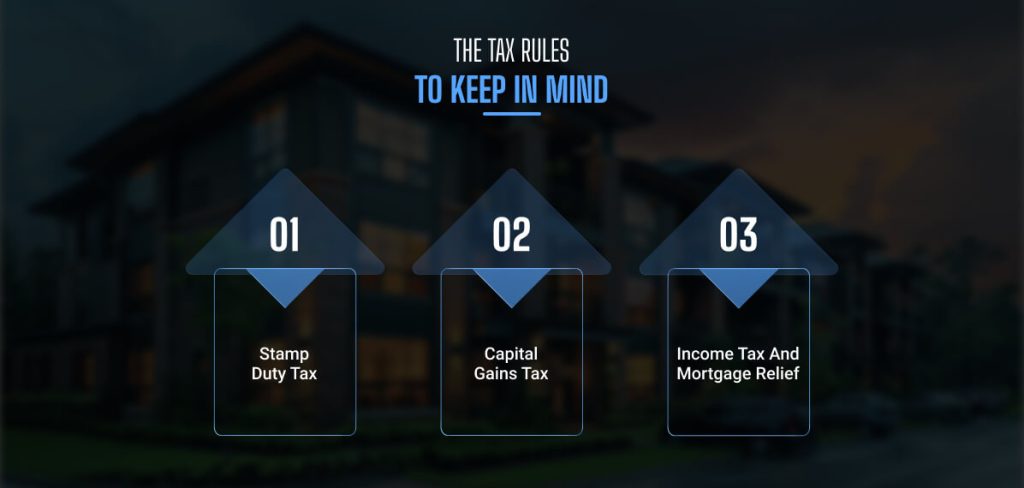
Being a landlord comes with specific tax rules that can affect overall profits.
1. Stamp Duty Tax
Buying a rental property usually involves paying an additional 5% tax surcharge on top of standard stamp duty rates.
This applies to those buying a rental property in England, Northern Ireland, Scotland, and Wales, thereby increasing upfront costs.
2. Capital Gains Tax
Tax may be due on the profit if the property has increased in value when selling a rental property.
For lower-rate taxpayers, this rate is 18%, while higher-rate taxpayers pay 24%.
Fortunately, there is a small tax-free allowance each year, and certain costs like legal fees or stamp duty can be deducted to help reduce the bill.
3. Income Tax And Mortgage Relief
Rent collected is treated as taxable income. However, daily running costs can often be deducted to lower the tax bill.
This includes letting agent fees and property maintenance,
Crucially, the rules for mortgage interest tax relief have changed in recent years. This relief is now capped at a flat 20%.
This is why higher-rate taxpayers face tighter profit margins. While cash buyers and those in the lower tax bracket are generally less affected.
Seeking independent financial or tax advice is a helpful way. This can ensure all individual circumstances are properly considered.
This is because tax laws and mortgage regulations are complex and subject to change.
Getting The Legal Stuff Right
When you find the perfect rental property, the next big step is the legal paperwork, known as conveyancing.
This process safely transfers ownership into your name from the moment your offer is accepted until you get the keys.
Crucially, your solicitor needs to check that there are no sneaky legal rules preventing you from renting out the property.
It is a great time to ask them about local planning laws and tax rules because they affect your finances.
Factoring In Ongoing Fees
Owning a rental property means budgeting for a few everyday costs alongside your buy to let mortgage.
First, unless you want to manage tenants yourself, you will likely pay letting agent fees.
These usually cost between 5% and 15% of your rent. Alternatively, online services like OpenRent can find and check tenants for much less.
Next, you absolutely need landlord home insurance to protect your investment.
Lenders usually require building insurance. However, you can also get cover for things like accidental damage or unpaid rent.
Finally, setting aside cash for ongoing maintenance is vital. Building a small network of trusted plumbers and builders will keep things running smoothly.
Protecting Your Family
Lastly, have you thought about life insurance? If you have active mortgages, a solid life insurance policy can help your family with struggling debt.
This can also ensure nobody forces them into a stressful property sale if the unexpected happens.





Leave A Reply