






Stop Overpaying! Instantly Calculate Your 2026 Moving Costs
Moving your house can actually empty your wallet. In recent years, people have spent an average of £13,018 on moving.
This figure is based on the purchase and sale of a standard UK home worth £292,000.
However, your actual bill might look different. It usually depends on the property’s value.
However, your actual bill might look different. It usually depends on your property’s value.
Moreover, it also depends on whether you are buying, selling, or doing both at the same time.
Fortunately, you do not have to guess your expenses.
You can use our handy cost of moving calculator to get a clear picture. It helps you plan your budget without any nasty surprises.
How Much Does It Cost When You Are Moving House?
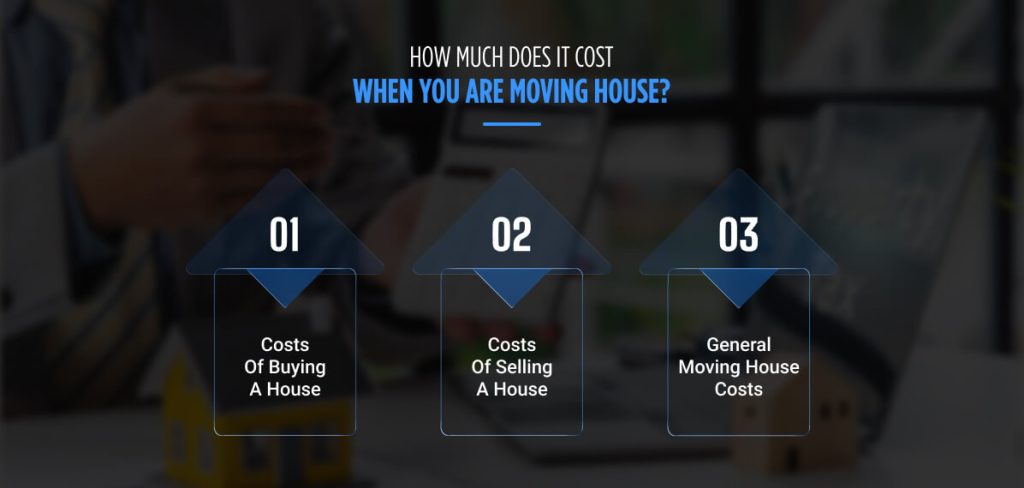
The total average cost to move house comes to £13,018, when you add everything together.
We crunched these accurate numbers using our free tools and stamp duty data.
However, every single move is different. You can also use the cost-of-moving calculator to find your exact personal costs!
A. Costs Of Buying A House
First, let us look at the expenses you will face when buying your new place.
| Costs of Buying a House | Estimate |
|---|---|
| Stamp duty | £4,600 |
| Building Survey | £650 |
| Conveyancing | £1,050 |
| Mortgage fees | £1,000 |
| Mortgage valuation fees | £150 |
| Homebuyers Protection Insurance | £74 |
| Buying Total | £7,519 |
B. Costs Of Selling A House
Next, you need to budget for selling your current home.
| Costs of Selling a House | Estimate |
|---|---|
| Estate Agents | £4,150 |
| Conveyancing | £700 |
| Energy Performance Certificates | £60 |
| Selling Total | £4,910 |
C. General Moving House Costs
Finally, remember to budget for the actual moving day itself.
| General moving house costs | Estimate |
|---|---|
| Removals | £550 |
| Mail redirection | £39.50 |
| General moving costs total | £589.50 |
Planning To Move House: Learn About The Buying Costs!

When buying a house, the extra costs can surprise you! Luckily. You can simply keep a track of them!
Here is a friendly breakdown of the main expenses you need to budget for!
1. Mortgage Valuation Survey Costs
Now, the lenders always want to verify if the house is actually worth the selling price. Therefore, they will order an official valuation survey.
- Typical cost: Ranges between £100 and £300.
- Lender perks: Often offered completely free in special deals.
As a result, it pays to check your specific mortgage package carefully.
2. Mortgage Arrangement Fees
Setting up a new mortgage usually involves a hefty setup fee. These setup charges usually range from £500 to £1,500.
- Upfront payment: Keeps your debt lower from day one.
- Add to mortgage: Saves cash now but accrues interest later.
Alternatively, you can try moving your current deal to the new home to bypass this entirely.
3. Mortgage Broker Fees
Now, some brokers might charge nothing. Especially when the demand is up to 1% of the entire loan.
There is one way to save money. You just have to choose a completely fee-free mortgage broker.
They will find the best deals without adding extra weight to your budget.
4. Mortgage Protection Insurance
This insurance steps in if illness, injury, or job loss stops your income. It ensures your monthly mortgage payments are still covered.
For instance, a 30-year-old administrator might pay just £7 monthly for accident and sickness protection. It offers great peace of mind.
5. Home Buyer Protection Insurance
Sadly, one in three property sales falls through in the UK.
This special insurance protects if the deal collapses. Moreover, it covers your lost legal, surveying, and mortgage fees for just £ 74.
It is a smart, low-cost safety net.
Planning To Move House: Learn About The Selling Costs!
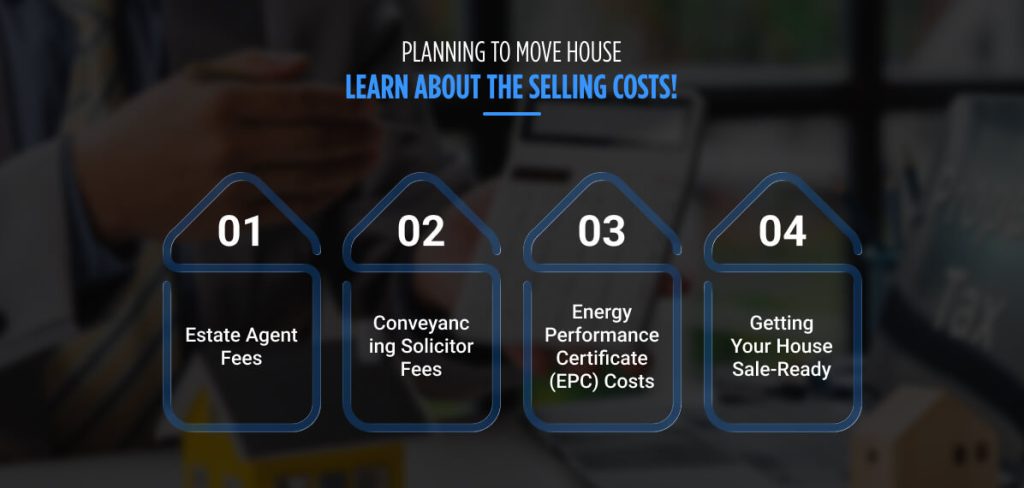
When calculating the costs of moving house, the cost of selling your home cannot be ignored.
These expenses can take a big chunk out of your profit. On the other hand, with some knowledge of what to expect, it is very easy to budget these expenses.
Here is a simple explanation of the major selling costs.
· Estate Agent Fees
Estate agents generally take the largest portion of your moving budget. In 2026, the average UK agent commission fee is 1.42%, VAT-inclusive. If you sell a typical £292,000 house, it will cost you about £ 4,150.
- High Street Agents: They may charge a percentage of your final selling price.
- Online Agents: They usually charge a fixed fee, which can really help you to save money.
Besides, you can always use our free online tool to compare local agents by their speed and success rates, which will help you in making the right choice.
· Conveyancing Solicitor Fees
The other thing you must pay for is the professional who will do all the legal work for your sale.
Normally, legal fees associated with the sale of a property are between £600 and £800. The situation may be a bit different if the property is leasehold.
- Leasehold Packs: You will need to pay your buyer around £300- £800 for the pack.
- Smart Saving: Always compare quotes online to find reviewed, affordable solicitors.
Getting a few quotes for the service you want can, without question, save you quite a bit of money.
· Energy Performance Certificate (EPC) Costs
By law, you must provide an EPC before you can even put your house on the market.
This certificate rates how energy efficient your property is on a scale from A to G.
- Average Cost: Expect to pay anywhere between £60 and £120.
- Independent Assessors: Usually much cheaper than booking directly through your estate agent.
Therefore, it pays to shop around for local assessors to keep this mandatory fee as low as possible.
· Getting Your House Sale-Ready
First impressions matter if you want a fast sale at a great price. Spending a little bit of money on basic repairs and deep cleaning can drastically increase your home’s value.
- Quick Fixes: Touch up chipped paint and fix loose hinges.
- Decluttering: Use a local rubbish removal service to clear out unwanted clutter.
In the end, these minor, low-cost improvements make your property much more attractive to eager buyers.
What Is The General Moving Costs?
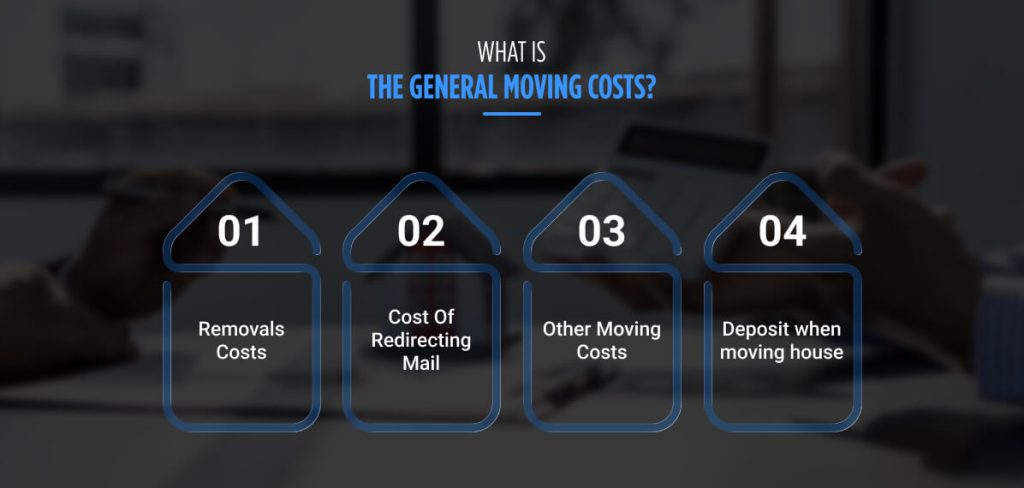
Whether you are buying, selling, or doing both at once, general moving day costs always pop up.
Fortunately, preparing for them ahead of time keeps things stress-free. Here is a friendly breakdown of the final expenses you will need to budget for.
Removals Costs
Booking a removal company early takes a huge weight off your shoulders.
Your total price depends on how much stuff you own and how far you are travelling. For a short 10-mile trip, expect these average rates:
- 1–2 Bedrooms: £450 to £550
- 3 Bedrooms: £800
- 4–5 Bedrooms: £1,100 to £1,400
To get an exact price, use our handy removal calculator to instantly compare five quotes from trusted, regulated local movers.
Cost Of Redirecting Mail
While updating your address with banks and utilities is essential, missing letters can still happen.
Consequently, redirecting your mail through the post office is a smart safety net to prevent identity fraud.
- 3 Months: £39.50
- 6 Months: £58.50
- 12 Months: £84.00
Ultimately, choosing a longer plan gives you complete peace of mind while you settle into your new home.
Other Moving Costs
Finally, do not forget to budget for the smaller, hidden extras that often catch people by surprise.
These tiny details can add up quickly during a hectic move.
- Storage Fees: Cost £25-£100 per week if your move-in dates do not align perfectly.
- Packing Materials: Boxes and bubble wrap usually add an extra £100 to your bill.
Planning for these sneaky expenses ahead of time ensures your moving budget stays completely on track.
Deposit When Moving House
When you are planning a move, saving for the deposit is easily the biggest hurdle. If you are a first-time buyer, you must build this fund from scratch. While zero-deposit or 5% options exist, a bigger down payment unlocks much better interest rates.
On the other hand, if you already own a home, things get easier. You can simply use the equity from selling your current place to fund your next deposit.
For example, look at what you need for a standard £300,000 property:
- 5% Deposit: £15,000
- 10% Deposit: £30,000
- 15% Deposit: £45,000
To tie it all together, having a solid deposit plan makes your entire home-buying journey much smoother and significantly cheaper in the long run.
What Are The Ongoing Costs When You Own A House?
Once you move in, your monthly budget involves a lot more than just mortgage repayments. In fact, several ongoing costs can catch you off guard if you do not plan ahead carefully. To keep your finances healthy, you must factor these regular bills into your household budget from day one.
- Bills & Council Tax: You must pay these every month, but you can actually challenge your tax band if it seems too high.
- Home Insurance: Remember, you legally need buildings insurance in place from the exact day you exchange contracts.
- Leasehold Fees: If your new home is leasehold, you will need to pay yearly ground rent and service charges.
- Repairs & Perks: Fixing leaky roofs, redecorating, buying furniture, and setting up your broadband add up to a lot.
To avoid any nasty surprises, use our handy cost of moving calculator to organise your budget.


Leave A Reply