


Travel-Inspired Décor: Designing a Home That Tells Your Story of the World
Travel doesn’t end when the suitcase is unpacked. The emotions, discoveries, textures, and colors linger long after the journey.
Travel-inspired décor allows you to translate those experiences into a living environment one that reflects who you are, where you’ve been, and where you dream of going next.
Unlike themed interiors, travel décor is deeply personal. It blends memory with design, sentiment with function, and inspiration with everyday living.
When done thoughtfully, it creates a home that feels layered, soulful, and timeless rather than trendy or cluttered.
Below, we explore each travel décor element in depth, showing how to use it meaningfully and beautifully.
Best Travel-Inspired Decor Ideas
Here are some travel-inspired decor ideas to get you started.
1. Seashell Display: Curating Coastal Memories With Intention
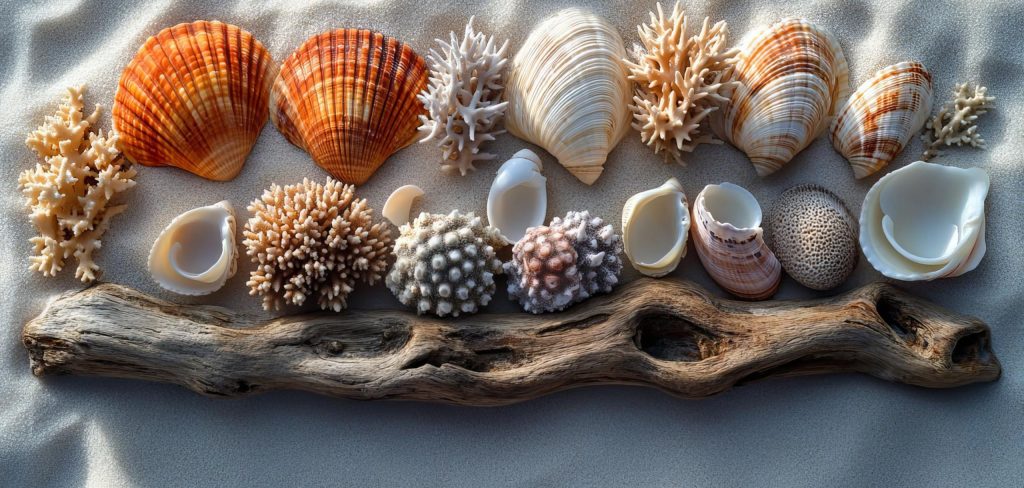
Seashells are among the most emotionally charged travel souvenirs. Each one holds the memory of a shoreline the sound of waves, salt in the air, bare feet on sand. But displaying seashells effectively requires restraint.
Rather than scattering shells throughout a space, curate them like museum artifacts:
- Display a limited number of shells with unique shapes or textures
- Group shells from the same destination together
- Use natural materials like wood, stone, or glass to frame them
A carefully styled seashell display on a coffee table, bookshelf, or console immediately evokes coastal calm while maintaining sophistication.
2. Seashell Storage: Preserving Memories Without Visual Noise
Not every keepsake needs to be visible at all times. Seashell storage allows you to protect fragile memories while keeping your home visually balanced.
Creative storage ideas include:
- Labeled wooden boxes sorted by destination
- Glass jars stored inside cabinets
- Fabric-lined baskets tucked under consoles
This approach respects minimalism while still honoring sentiment. It also allows you to rotate décor seasonally, refreshing your space without buying new items.
3. Abstract Travel Wall Décor: Capturing the Feeling of a Place
Abstract travel wall décor doesn’t depict landmarks it evokes emotion. It translates landscapes, movement, and cultural rhythm into color, shape, and texture.
This type of art works especially well when:
- You want global inspiration without literal references
- Your home leans modern or contemporary
- You prefer mood over message
An abstract canvas inspired by desert dunes, ocean currents, or urban chaos allows the viewer to feel travel rather than identify it. This makes the artwork timeless and deeply personal.
4. Subtle Travel Décor: Minimalism With Meaning
Subtle travel décor is ideal for those who love exploration but prefer quiet interiors. It focuses on texture, craftsmanship, and understated references rather than obvious motifs.
Examples include:
- Handwoven textiles from artisan markets
- Ceramic pieces with organic imperfections
- Neutral art inspired by landscapes
This approach integrates travel into daily life seamlessly, creating a calm, grounded atmosphere that still tells a story.
5. Map Wall Art: From Decorative to Deeply Personal
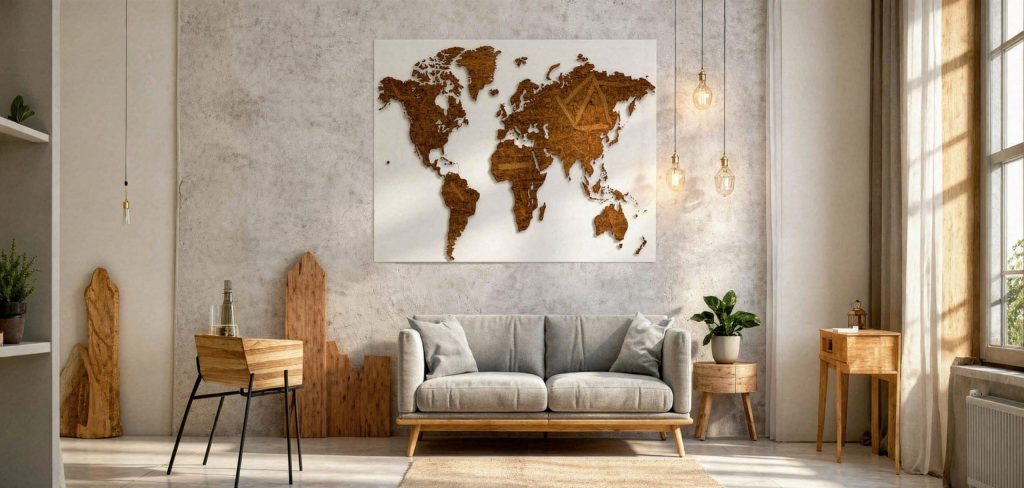
Map wall art becomes powerful when it reflects your journey rather than generic geography.
Ways to personalize map décor:
- Highlight cities you’ve lived in or visited
- Use pins, threads, or subtle markings
- Choose antique or minimalist styles to suit your interior
Maps work particularly well in offices, hallways, and reading corners—spaces where reflection and curiosity naturally belong.
6. Travel Wallpaper: Transforming Rooms Into Destinations
Travel wallpaper has the power to transport instantly. It turns walls into experiences rather than backdrops.
Popular styles include:
- Tropical foliage for escapist energy
- Vintage city illustrations for old-world charm
- Coastal patterns for airy serenity
Wallpaper works best as an accent rather than overwhelming an entire home. Let it be the star, supported by neutral furnishings and restrained accessories.
7. Entryway Travel Décor: Setting the Tone From the Start
The entryway is your home’s opening sentence. Travel-inspired entry décor immediately communicates curiosity, warmth, and personality.
Strong entryway styling ideas:
- A statement globe on a console
- Framed travel photography
- A small tray with souvenirs
This space should feel welcoming but uncluttered hinting at adventure rather than shouting it.
8. Showcase Souvenirs: Turning Objects Into Stories
Souvenirs gain value when displayed with intention. Instead of spreading them randomly, curate them like a collection.
Effective methods include:
- Grouping items by destination or theme
- Displaying fewer items with more space
- Pairing souvenirs with neutral objects
This transforms keepsakes into design elements rather than visual distractions.
9. Historical Wall Décor: Honoring Time and Culture
Historical wall décor connects travel with legacy. Antique maps, architectural drawings, and cultural prints add depth and intellectual richness.
They work especially well in:
- Living rooms
- Home libraries
- Dining areas
Historical pieces remind us that travel isn’t just about movement it’s about continuity and heritage.
10. Bookshelf Display: Layered, Lived-In Travel Style
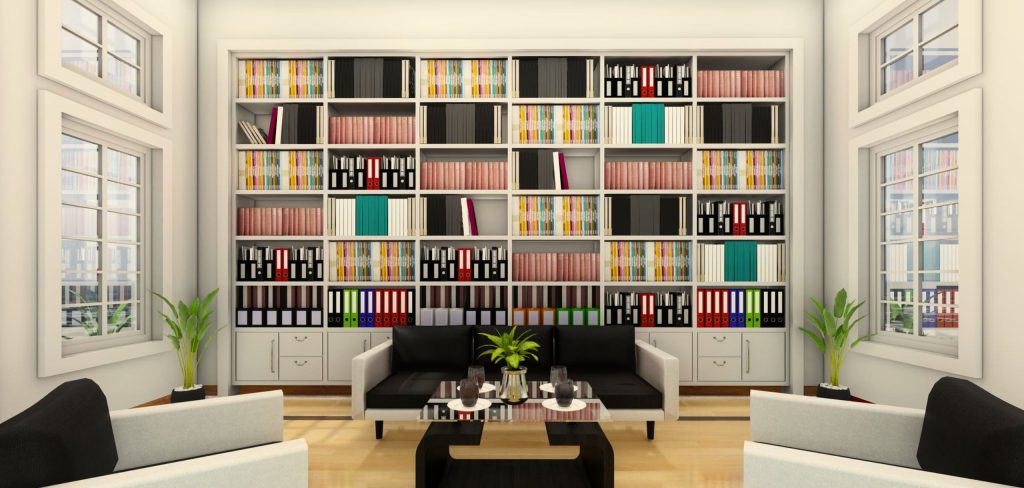
Bookshelves are among the most personal spaces in a home, making them ideal for expressing a love of travel.
A thoughtfully styled bookshelf doesn’t just hold books it tells a visual story of curiosity, exploration, and memory. Travel-inspired bookshelf displays work best when they balance structure with spontaneity.
Start by selecting a mix of travel literature, including guidebooks, photography collections, cultural essays, and memoirs.
11. Mural Accent Wall: Immersive and Bold
A mural accent wall is one of the most dramatic ways to bring travel inspiration into the home.
Unlike traditional art, a mural envelops the viewer, transforming the room into an experience rather than a backdrop.
Whether inspired by a lush rainforest, desert horizon, European streetscape, or ocean view, murals create emotional depth and escapism.
To maintain balance, limit murals to one feature wall. This prevents visual overload and allows the mural to shine.
Pair it with simple furniture silhouettes and neutral tones so the artwork remains the focal point. Avoid competing patterns or bold colors nearby.
12. Vibrant Color Palette: Inspired by Global Landscapes
Travel exposes us to color in its most authentic form sunbaked terracottas, deep ocean blues, lush jungle greens, and vibrant market hues.
Incorporating a vibrant color palette into home décor allows these global influences to live on beyond the journey.
The key is controlled application. Rather than repainting entire rooms, introduce vibrant colors through accent cushions, patterned rugs, artwork, or a single statement chair.
Each color should evoke a place or feeling: saffron tones may recall spice markets, turquoise might echo tropical waters, while earthy reds reflect desert landscapes.
When used intentionally, vibrant colors energize interiors while preserving elegance and cohesion.
13. Surfing Inspiration: Casual, Free-Spirited Living
Surf-inspired décor captures the laid-back rhythm of coastal travel and outdoor freedom. This style emphasizes comfort, openness, and a connection to nature rather than polish or formality.
Key characteristics include relaxed layouts that encourage movement, natural textures like rattan, wood, and linen, and ocean-inspired artwork that references waves, horizons, or surf culture.
Surfing inspiration works particularly well in homes near water or in spaces meant for unwinding.
It reflects a lifestyle that values experience, spontaneity, and ease making the home feel like a permanent vacation.
14. Photo Wall Treatment: Visual Storytelling
A travel photo wall transforms personal memories into daily inspiration. Rather than storing photographs digitally, displaying them creates an emotional connection between past experiences and present living.
The most effective photo walls follow a sense of visual order. Stick to a consistent frame style or color to unify diverse images.
Mix wide landscapes with close-up details faces, food, textures to create rhythm and depth.
Applying the rule of three helps maintain balance. Group images in odd numbers, allowing each photo to breathe.
When curated thoughtfully, a photo wall feels intentional and expressive rather than chaotic, turning memories into meaningful décor.
15. Coastal Travel Décor: Calm and Airy Escapism
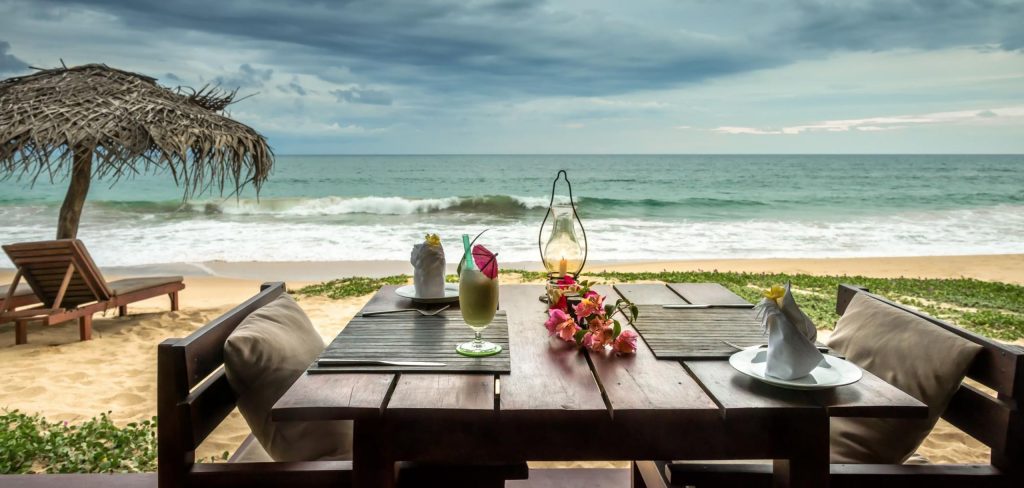
Coastal travel décor is about atmosphere, not theme. Instead of literal symbols, it focuses on light, softness, and tactile comfort that mirrors seaside living.
Soft whites, sandy neutrals, and muted blues form the foundation. Linen and cotton fabrics enhance breathability, while weathered finishes add authenticity and warmth.
This style brings vacation energy into everyday life, creating interiors that feel calm, restorative, and endlessly inviting like returning to a favorite coastal retreat.
16. DIY Nightstand: Function With Personality
A DIY travel-inspired nightstand adds originality and storytelling to a bedroom. Repurposed materials such as stacked vintage suitcases, wooden crates, or old trunks introduce texture and history that standard furniture often lacks.
Each piece becomes both functional and symbolic. A suitcase might represent past journeys, while a trunk can evoke old-world travel romance.
These nightstands work especially well in eclectic or bohemian interiors, where individuality is celebrated.
Beyond aesthetics, DIY nightstands encourage sustainability and creativity, proving that meaningful design doesn’t require mass-produced solutions.
17. Suitcase Bar Cart: Nostalgia Meets Entertaining
A suitcase bar cart is a conversation starter that blends nostalgia with modern entertaining.
By repurposing vintage luggage, you create a functional piece that evokes the glamour of historic travel.
When opened during gatherings, the bar invites storytelling where guests ask about its origin, and memories naturally unfold. Inside, organize glassware, bottles, and accessories neatly to maintain sophistication.
This piece works beautifully in living rooms or dining spaces, serving as both décor and utility. It’s ideal for homes that value warmth, hospitality, and personal expression.
18. Tropical Décor: Everyday Escape
Tropical décor brings warmth, vitality, and organic beauty into interiors. Inspired by island travel, this style relies on natural elements rather than novelty.
Botanical prints introduce lushness without overwhelming the space. Natural fibers like bamboo, jute, and cane add texture, while indoor plants enhance freshness and air quality.
When balanced correctly, tropical décor creates an everyday escape that feels energizing yet refined.
19. Decorate With Globes: Symbolism and Style
Globes are timeless symbols of curiosity and global connection. They represent movement, learning, and possibility making them perfect for travel-inspired interiors.
Vintage globes add nostalgia and warmth, while modern minimalist versions suit contemporary homes.
Placement matters: desks, bookshelves, and consoles are ideal locations that allow interaction.
Beyond decoration, globes invite conversation and contemplation, quietly reminding us that the world is vast and waiting.
20. Dining Room Souvenirs Display: Cultural Connection Through Food
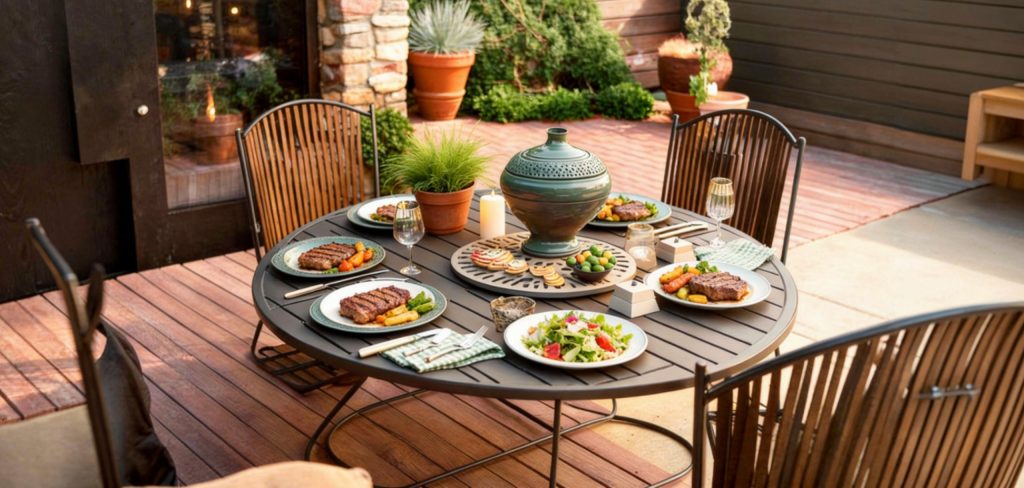
Dining rooms naturally lend themselves to cultural expression because food and travel are deeply intertwined.
Displaying souvenirs in this space strengthens the connection between meals and memories.
Handcrafted plates, textiles sourced from markets, or food-inspired artwork add authenticity and warmth.
These items should feel integrated rather than staged used occasionally rather than locked behind glass.
This approach transforms dining into an experience, where every meal becomes a subtle celebration of global culture.
FAQs
Here are a few questions and queries on the topic of travel inspired decor ideas that others have asked, and you might think helpful at the same time.
1. What things represent travel?
Travel is represented by objects that symbolize movement, discovery, culture, and memory.
Common representations include maps and globes, which visually express exploration and global curiosity.
Photographs capture moments in time and preserve emotional connections to places. Souvenirs such as handcrafted items, local art, or market finds embody cultural identity and craftsmanship.
Textiles reflect regional patterns and traditions, while shells and natural objects connect travel to landscapes and environments.
Luggage, trunks, and suitcases symbolize journeys themselves, and cultural artifacts such as pottery, instruments, or ceremonial objects represent heritage and storytelling.
When used thoughtfully, these items transform spaces into living narratives of personal travel experiences.
2. What are some unique travel photo ideas?
Unique travel photography goes beyond landmarks and postcards. Focus on details and everyday life close-ups of street signs, local food preparation, textured walls, and shop windows.
Photograph candid portraits of people (with permission) to humanize your journey. Textures like worn cobblestones, fabrics, or weathered doors tell powerful stories.
Even mundane moments morning coffee, train platforms, handwritten menus often evoke stronger memories than famous monuments. These photos feel intimate and authentic when displayed at home.
3. How to display travel keepsakes?
Displaying travel keepsakes successfully requires curation rather than accumulation. Group items by theme, destination, or color palette to create visual cohesion.
Use shelves, shadow boxes, or glass-front cabinets to protect delicate pieces while allowing them to be appreciated.
Rotating displays seasonally prevents clutter and keeps décor feeling fresh. Mix keepsakes with neutral objects to give them breathing room.
The goal is to highlight meaning rather than quantity, turning souvenirs into intentional design features.
4. What are some catchy travel phrases?
Catchy travel phrases are short, emotionally resonant, and aspirational. Phrases like “Wander often” and “Adventure awaits” emphasize curiosity and movement.
“Collect moments, not things” reflects experiential living, while “The world is calling” evokes anticipation.
These phrases work well in wall art, typography prints, journals, or décor accents. When chosen thoughtfully, they reinforce a travel-inspired mindset without feeling cliché.
5. What are the 5 elements of travel?
The five elements of travel are movement, place, culture, experience, and memory. Movement represents the physical act of journeying.
Place defines location and environment. Culture encompasses traditions, language, food, and people.
Experience refers to emotional and sensory engagement, while memory preserves the journey long after it ends.
Together, these elements shape how travel influences personal identity and interior décor choices.
6. What are the 7 P’s of tourism?
The seven P’s of tourism provide a framework for understanding travel experiences. Product refers to destinations or services.
Price influences accessibility and expectations. Place determines distribution and location. Promotion communicates value.
People shape service and hospitality. Process ensures smooth experiences, and Physical evidence includes tangible cues like décor, ambiance, and design.
In home décor, physical evidence translates into how travel is visually and emotionally represented.
7. How to decorate with travel photos?
Decorating with travel photos works best when there is a consistent visual language. Choose frames that match in color or material to unify varied images.
Vary photo sizes to create rhythm and interest, pairing wide landscapes with close-up details. Arrange photos in grids for a structured look or organic layouts for a relaxed feel.
Keep spacing consistent and avoid overcrowding. This approach transforms personal photos into gallery-worthy décor.
8. What is the rule of 3 in pictures?
The rule of three is a design principle stating that odd numbers are more visually appealing than even ones.
Groups of three images or objects create balance while still feeling dynamic. In photo walls or décor displays, using three pieces encourages movement and visual flow.
This rule applies to frames, shelves, and tabletops, helping arrangements feel intentional rather than rigid.
9. How to write travel in a stylish way?
Stylish travel writing focuses on sensory experience and emotional insight. Instead of listing places visited, describe how a destination felt the sounds, textures, smells, and moods.
Use descriptive language and personal reflection to convey meaning. Stylish writing often blends observation with introspection, allowing readers to connect emotionally rather than informationally.
10. How to reveal a trip as a present?
Revealing a trip as a gift can be as memorable as the journey itself. Creative ideas include presenting a map with destinations highlighted, gifting a vintage suitcase filled with clues, or designing boarding-pass replicas with the travel date.
Layered reveals such as puzzles or themed décor hints build anticipation. This approach turns the announcement into an experience, reinforcing the emotional impact of travel.
Let Your Home Travel With You
Travel-inspired décor is not about impressing guests it’s about grounding yourself in memories, curiosity, and wonder.
Each seashell, map, photograph, and artifact becomes a quiet reminder that the world is vast and full of stories.
When your home reflects where you’ve been and where you hope to go, it becomes more than a place to live. It becomes a journey one you return to every day.


Leave A Reply