





What Is A Villa, And How To Identify One In 2026?
The category sounds simple until you look at how loosely the market actually uses it. What is a villa is not just a dictionary question anymore. It is an architecture question, a lifestyle question, and, honestly, a real estate marketing question, too.
Some developers use the label to signal privacy and prestige. Others use it for managed community homes with shared services.
So the smarter way is to have a sharper frame. Primarily, a villa is a high-comfort residential property. It comes with more space, greater privacy, outdoor integration, and a more premium living environment. However, the exact meaning varies by region and property type.
What Is A Villa?
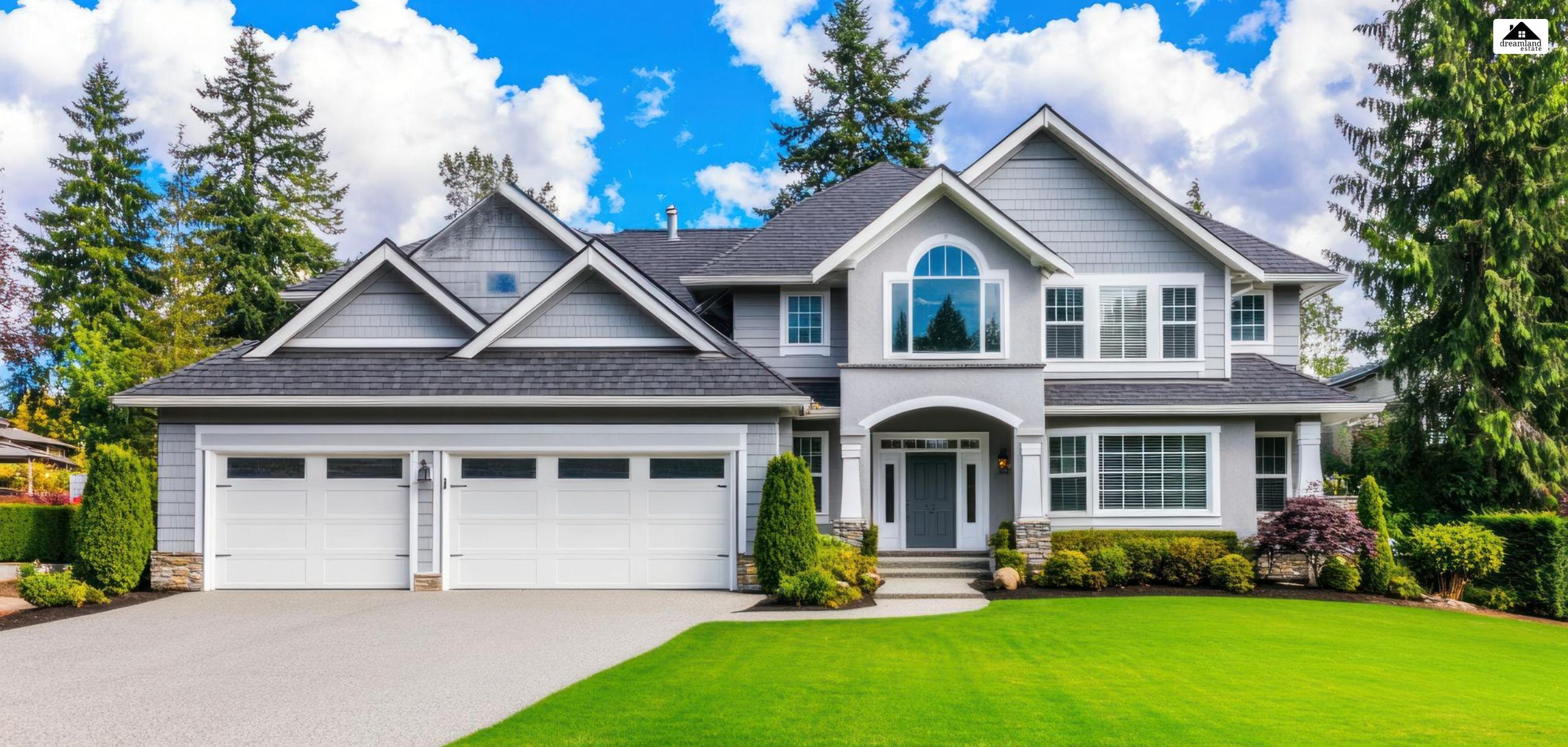
At a practical level, what is a villa is better answered by looking at a cluster of traits. In most places, a villas comes with the following features:
- Independent or semi-independent living
- Stronger access to private outdoor space
- More generous room planning
- A premium lifestyle package.
These include landscaped surroundings, parking, clubhouse access, private recreation, or higher-end finishes.
Still, the term is not universal in one neat way. In Britain, it might be a particular detached or semi-detached suburban home. Meanwhile, in broader modern usage, it may also point to vacation-oriented residences or upscale managed communities.
That nuance is important because many articles fall into the same trap. They describe a villa as if every example must be massive, remote, and mansion-like. Real markets do not work that neatly.
Some villas are standalone and expensive, while some are part of a gated cluster. In some cases, they are second homes, while others are primary residences.
The common thread is not a fantasy image of grandeur alone. Rather, it is the combination of privacy, land relationship, lower density, and a more curated residential experience than an average apartment-led housing format usually offers.
Villa vs. House: What Is The Difference?
For buyers, what is a villa becomes clearer when the comparison stops being dramatic and starts being functional. A villa is still a house in the broad residential sense, but not every house qualifies as a villa in market language.
The real distinction usually comes down to planning intent. In general, a standard house simply describes a standalone dwelling. However, a villa signals a more premium residential format.
Villa vs. Other Property Types
| Property Type | Typical Form | Land and Privacy Profile | Amenity Pattern | Editorial Note |
|---|---|---|---|---|
| Villa | Detached or semi-detached premium residence, often low-density and lifestyle-led. | Usually offers stronger private outdoor space and more separation than apartment formats, though specifics vary by project and region. | May include premium finishes, private parking, landscaped areas, community security, club access, or private leisure features. | Best understood as a premium housing format, not a single rigid blueprint. |
| House | Broad category for a residential dwelling. | Privacy and land size vary heavily by plot, budget, and location. | Amenities depend on the individual property, not the label itself. | “House” is the umbrella term. “Villa” is usually a more specific market-facing subtype within that umbrella. |
| Bungalow | Commonly low-rise, often single-storey or low-profile in form. | Can offer privacy and plot control, but the form is usually defined more by layout style than by luxury positioning alone. | Amenity range varies. A bungalow may be simple, traditional, or high-end, depending on the market. | Not every bungalow is premium, and not every villa is bungalow-like. That confusion should be avoided. |
| Duplex | Two connected living levels or two linked units, depending on local usage. | Usually less private than a classic standalone premium residence, though more private than a typical apartment unit. | Amenities often depend on whether it sits inside a larger housing development. | A duplex is a structural format first. A villa is more of a premium positioning and residential experience category. |
| Apartment or Condo | Unit within a larger building or shared complex. | Shared walls, lower private land control, and community-managed common areas are typical. | Shared amenities such as gyms, pools, lobbies, and common maintenance are more common here. | Useful contrast point because villas are usually marketed around exclusivity and lower-density living. |
Guide to Understanding a Villa
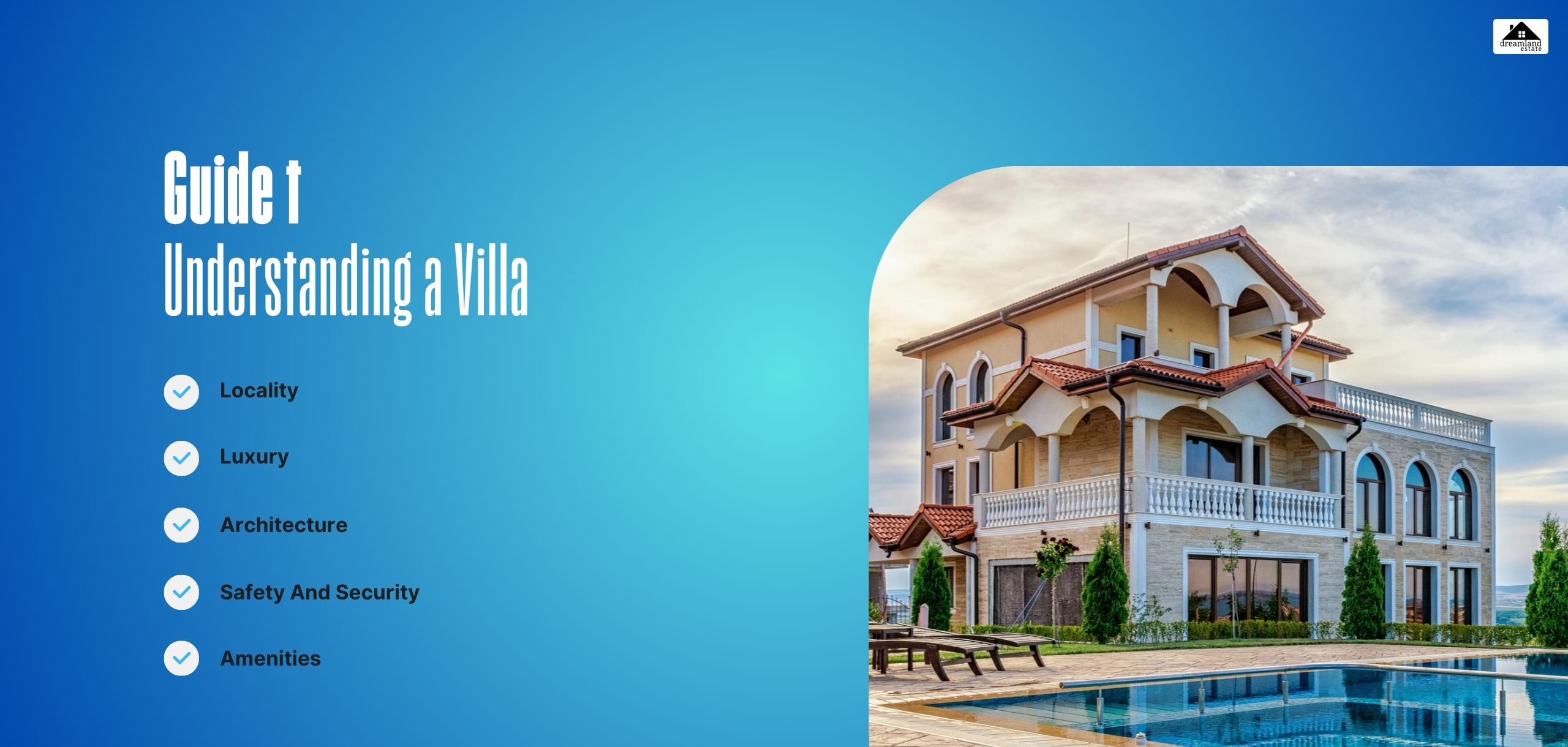
What are the features of a villa that are exclusive to its characteristics? If that is something that you want to know, I have you covered. Here are some of the unique features of a villa.
Take a look at these:
1. Locality
The locality of the villa, or where it is situated, is a huge thing that sets it apart from other residential buildings. It is set far away from the main city, away from the crowd and the noise of the busy roads, and the honking of the cars. And that is why people who own villas generally choose to rent them out from time to time as vacation rentals.
2. Luxury
Having a villa is nothing short of an increase in one’s social and class standing. Constructing a villa or purchasing ownership of one is a matter of considerable expense. This also ensures that a villa is a luxurious residence symbolizing a wealthier, healthier lifestyle.
3. Architecture
The architecture of a villa gives it a distinct characteristic. Most villas, even the smallest ones, have at least four bedrooms and more than one living area. They also have several guest rooms and other rooms that they can use as a library or a gym. A typical villa is generally a two-story building with a massive pool and a huge lawn.
4. Safety And Security
Safety and security in a villa are huge concerns. While you might also have security surveillance for your house, it is on a different scale for a villa. Generally, villas are located within a protected campus that ensures the property’s safety.
5. Amenities
The last point on the list is the set of amenities exclusive to a villa. To be very frank, irrespective of how much money you have, you cannot have all the amenities that you like in your house. I am talking about a swimming pool, a basketball court, a park, a huge library, and other luxurious amenities— together. But as the villas are located away from the city, it gives you a lot of space to have all of them under the same roof!
While these features define the ‘ideal’ villa, modern real estate has created ‘Boutique’ or ‘Urban’ villas.
These might not have a massive lawn or be far from the city, but they maintain the villa soul through superior privacy and vertical space planning
The Missing Buyer Lens: Ownership, Maintenance, and Daily Use
Definitions alone do little good if they stop at aesthetics. The better question is how the property behaves in real life. Villas often attract buyers because they combine private living with some level of managed convenience.
In many developments, owners get more control over their immediate residential space than apartment owners do. Still, they benefit from organized landscaping, security, or shared recreational infrastructure.
This is why villas remain aspirational in many markets. They promise not just more room, but a particular rhythm of living.
Still, premium living comes with practical trade-offs, and the article should say that plainly. Larger built-up areas, private open space, exterior upkeep, and luxury installations can increase maintenance demands and ownership costs.
Even when a homeowners’ association or gated-community management takes care of common services, the buyer still needs to evaluate fees, repair obligations, structural age, and the actual utility of premium amenities.
A pool sounds impressive in a brochure. Whether it adds everyday value is another matter entirely. That is the sort of grounded editorial note the current article is missing.
Expert Note on Maintenance: Unlike an apartment, where the building envelope is the HOA’s problem, a villa owner is often responsible for the roof, exterior paint, and private garden.
Always request a 5-year maintenance history or a ‘Common Area Agreement’ before signing.”
What to Look for While Choosing a Villa
| Decision Lens | What to Look For | Why It Matters |
|---|---|---|
| Privacy | Detached entry, boundary treatment, neighbour proximity, and noise separation. | Privacy is one of the strongest reasons villas are positioned above standard high-density formats. |
| Space Planning | Room flow, built-up area efficiency, outdoor integration, and flexibility for multi-use rooms. | Premium square footage only matters if the layout supports actual living patterns and not just visual scale. |
| Amenities | Distinguish private amenities from community amenities, and check the maintenance burden for both. | Buyers often pay for features they rarely use. That weakens the value even in a premium property. |
| Ownership Model | HOA rules, common-area obligations, maintenance fees, and resale implications. | Two homes may look similar, yet feel very different to own because the governance model changes who controls them. |
| Location Logic | Access to schools, work nodes, retail, and emergency services, not just scenic value. | A premium address can still be inconvenient. Lifestyle value should be measured, not assumed. |
| Resale Velocity | Comparison of villa appreciation vs. local apartments | Villas often appreciate faster due to land ownership. However, it can take longer to sell because of the higher price point. |
The 2026 Villa Trend: Why “Managed” Is The New Cool
When people ask, “what is a villa?” they usually imagine a lonely mansion on a hill. But honestly?
Times are changing! Most buyers today are moving away from totally isolated homes. Instead, they’re choosing “Managed Villa Estates.”
Think of it as the best of both worlds. You get your private garden and no noisy neighbors above you, but you don’t have to spend your weekends hunting for a plumber or a gardener.
Why is everyone switching?
- Safety First: You get 24/7 security without having to hire your own guards.
- Zero Stress: The community handles the big stuff like road repairs and street lighting.
- Social Life: You get a private home, but your kids still have a nearby park and friends.
Basically, the modern answer to “what is a villa” is all about freedom. You get the luxury of space without the headache of doing all the chores yourself!
Is The Villa Life Right For Your Family?
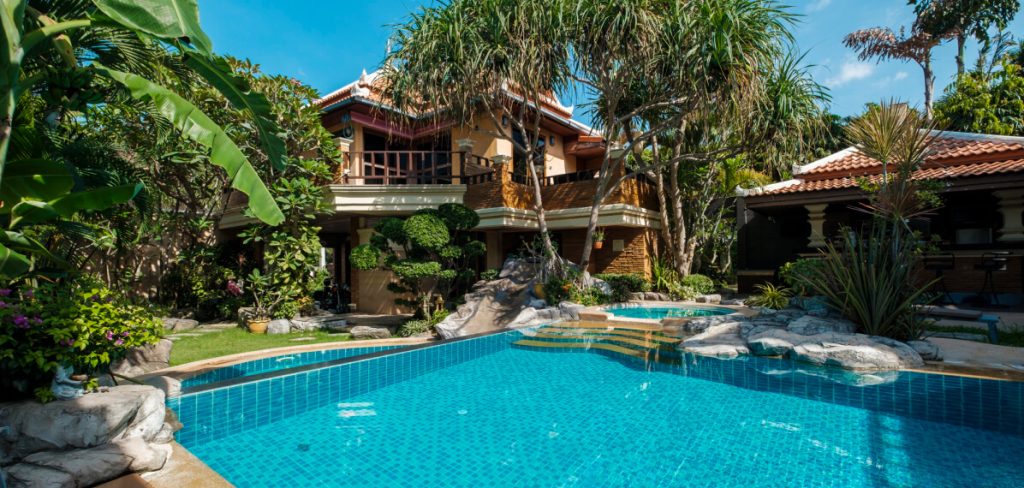
Deciding on a new home is a big deal. It is not just about the money; it’s about how your family will actually live every single day.
If you are still wondering what is a villa lifestyle really like, here is a simple way to see if it fits your vibe.
First off, just think about your crew.
For a dog that loves to run, or parents who need a quiet ground-floor room, the extra space is a game-changer if you have energetic kids.
Plus, you can consider having a private garden. This means you can host a Saturday BBQ or enjoy a coffee in peace.
Why it might be your perfect match:
- Room to Grow: Firstly, you will not feel like you’re living on top of each other.
- Future-Proof: Secondly, great builders focus on fresh air and energy saving, so the home stays comfortable for years.
- True Privacy: Lastly, no shared hallways or noisy neighbors upstairs.
At the end of the day, a villa is about more than just square feet! It is about giving your family the room to breathe and grow together!
Villa Means Premium!
In the end, what is a villa cannot be answered well by saying it is merely big, expensive, or outside the city. Actually, a villa is a premium residential format. It is shaped by privacy, land relationship, lower-density planning, and lifestyle-driven design. Once that is clear, the label becomes more than a sales word. This way, it becomes a practical category that buyers can assess with a sharper eye and fewer assumptions.
Read Also:


Leave A Reply