





Modern House Interior: An In-Depth Exploration of Styles, Aesthetics, and Contemporary Living
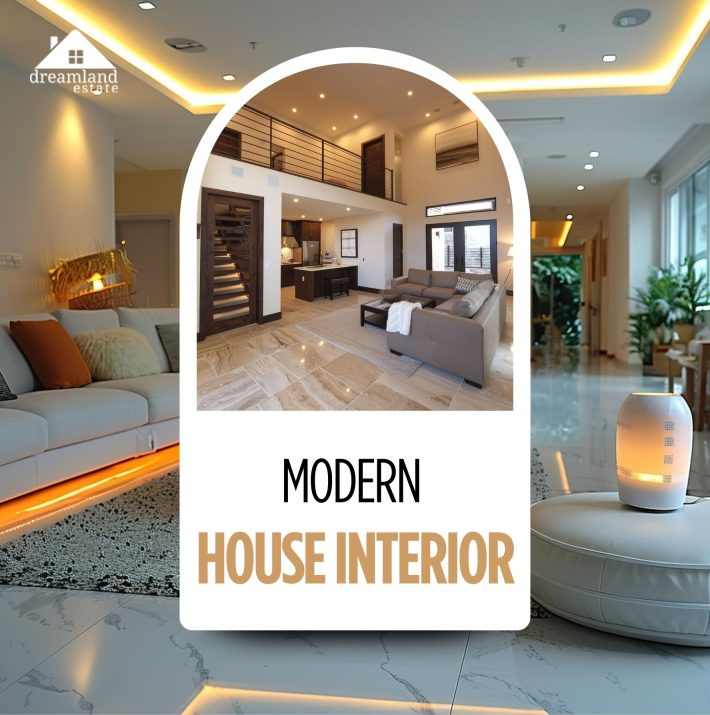
A modern house interior is not defined by a single look, era, or set of rules.
Instead, it represents a mindset a way of designing spaces that respond to contemporary lifestyles while honoring comfort, craftsmanship, and individuality.
Modern interiors today are fluid rather than rigid. They borrow from history, adapt global influences, and integrate technology, sustainability, and wellness into everyday living.
What truly defines a modern interior is intentionality. Every design decision whether it involves layout, lighting, texture, or furniture is deliberate.
Modern homes prioritize livability just as much as visual appeal, ensuring spaces feel personal, adaptable, and emotionally resonant.
Below is an in-depth exploration of the most influential modern house interior design styles, detailing how each functions, what defines it, and how it translates into today’s homes.
Elements to Maximize Modern House Interior
What is modern home design? Well, it is an embodiment of functionality and contemporary living.
This interior design is becoming widely famous because of its emphasis on open spaces.
Thus, you must be aware of the space measurements when incorporating all the elements. Here’s how you can achieve the look.
1. Gustavian
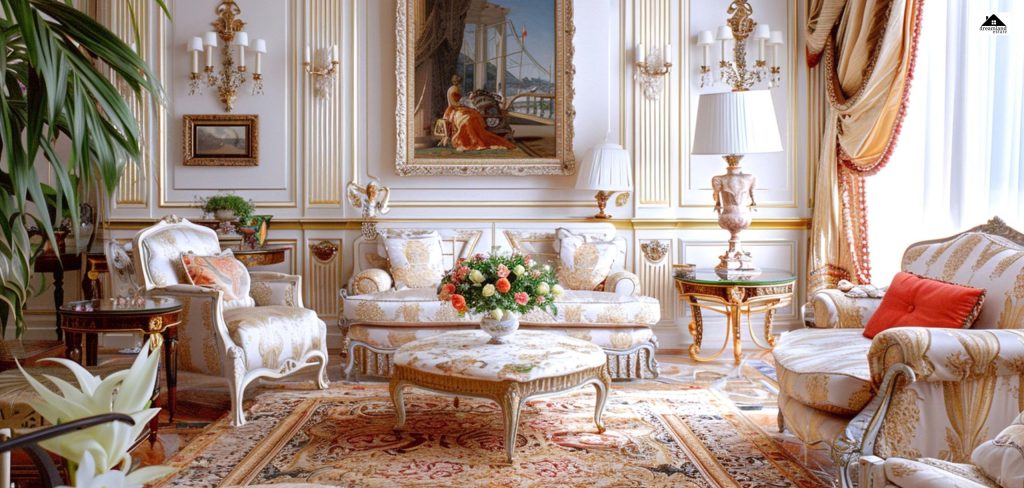
Gustavian interior design originated in 18th-century Sweden during the reign of King Gustav III.
Influenced by French neoclassicism, it was adapted to suit Sweden’s colder climate and limited natural light.
In modern homes, Gustavian style is celebrated for its lightness, balance, and quiet elegance.
Color palettes are soft and muted chalky whites, pale greys, dusty blues, and subdued pastels dominate the space.
These tones reflect light beautifully, making rooms feel brighter and more open. Furniture pieces are graceful rather than heavy, often featuring tapered legs, subtle carvings, and antique-inspired silhouettes.
Modern Gustavian interiors simplify ornamentation while maintaining symmetry and classical proportions.
Distressed finishes, linen upholstery, and understated décor create a calm, refined environment.
This style is ideal for homeowners who appreciate heritage aesthetics without ornate excess, offering timeless sophistication that works effortlessly in contemporary settings.
2. Japandi
Japandi is a seamless fusion of Japanese minimalism and Scandinavian functionality, combining the Japanese philosophy of wabi-sabi with Nordic hygge. The result is an interior style that prioritizes simplicity, mindfulness, and craftsmanship.
Spaces are uncluttered and intentional. Color palettes revolve around warm neutrals beige, taupe, soft gray, and earthy browns layered with natural wood tones.
Furniture is low-profile, functional, and meticulously designed, often crafted from solid wood or natural fibers.
Japandi interiors emphasize quality over quantity. Each object serves a purpose, reducing visual noise and encouraging a slower, more conscious lifestyle.
Soft lighting, organic textures, and subtle contrasts create a tranquil atmosphere, making Japandi ideal for modern homes focused on wellness, balance, and sustainability.
3. Alpine Chic
Alpine Chic takes inspiration from traditional mountain chalets but reinterprets them for modern living.
It blends rustic warmth with contemporary refinement, creating interiors that feel cozy yet sophisticated.
Natural materials are central to this style stone fireplaces, wooden beams, wool throws, and leather accents bring warmth and texture.
Unlike traditional alpine interiors, modern Alpine Chic avoids heavy, dark finishes. Instead, it favors lighter woods, neutral palettes, and streamlined furniture.
Plush seating, layered textiles, and ambient lighting enhance comfort, while open layouts and minimalist forms prevent the space from feeling dated.
Alpine Chic works beautifully in both urban homes and vacation residences, offering a sense of retreat without sacrificing modern elegance.
4. California Coastal
California Coastal interiors embody a relaxed, sun-drenched lifestyle rooted in indoor-outdoor living. This style emphasizes openness, natural light, and effortless comfort.
White or off-white walls form a clean backdrop, while sandy neutrals, soft blues, and muted greens echo the natural coastal landscape.
Materials such as linen, rattan, light wood, and stone add organic texture without heaviness.
Modern California Coastal design avoids overt nautical themes. Instead of anchors and stripes, it focuses on casual luxury comfortable seating, breathable fabrics, and flowing layouts.
Large windows, sheer curtains, and seamless transitions to outdoor spaces create homes that feel airy, welcoming, and deeply connected to nature.
5. Biophilic
Biophilic design is grounded in the concept that humans thrive when connected to nature. Rather than simply adding plants, this approach integrates natural systems into architecture and interior design.
Key elements include abundant natural light, indoor greenery, water features, organic materials, and improved airflow.
Earthy colors greens, browns, clay tones dominate the palette, reinforcing a sense of calm and grounding.
Modern biophilic interiors support mental health, productivity, and sustainability. Living walls, large windows, stone surfaces, and wooden finishes create environments that feel restorative and alive.
This style is increasingly popular in modern homes as wellness becomes a central design priority.
6. Southern Traditional
Southern Traditional interiors are rooted in warmth, hospitality, and timeless elegance. This style values comfort as much as beauty, making spaces feel welcoming and lived-in.
Classic architectural details, generous furniture proportions, and layered textiles define the look.
In modern interpretations, heavy patterns and dark colors are softened with lighter palettes and cleaner lines.
The result is a refined yet relaxed interior that balances tradition with contemporary ease. Southern Traditional design suits modern families who want elegant spaces that remain practical and inviting.
7. Palm Beach
Palm Beach style is bold, glamorous, and playful. Inspired by tropical living and old-world luxury, it embraces vibrant color palettes, high-contrast patterns, and metallic accents.
Modern Palm Beach interiors use crisp white backdrops to ground bold choices. Pops of coral, turquoise, emerald green, and gold create visual energy without overwhelming the space.
Clean architectural lines ensure balance, allowing patterned upholstery, statement lighting, and decorative accessories to shine.
This style is perfect for homeowners who love personality, color, and expressive design within a structured framework.
8. Midcentury Modern
Midcentury Modern is one of the most enduring design styles, known for its emphasis on function, simplicity, and connection to nature. Originating in the mid-20th century, it remains a cornerstone of modern interiors.
Key characteristics include clean lines, organic shapes, open layouts, and iconic furniture silhouettes.
Wood tones especially teak and walnut are paired with neutral walls and strategic pops of color.
Modern interpretations blend classic pieces with contemporary materials, ensuring the style feels timeless rather than nostalgic. Midcentury Modern interiors are practical, visually balanced, and ideal for modern living.
9. Neo-Industrial
Neo-Industrial design refines the raw aesthetic of traditional industrial spaces. Exposed brick, concrete, and metal elements remain central but are softened through warm lighting and comfortable furnishings.
Modern Neo-Industrial interiors balance edge with livability. Neutral palettes prevent harshness, while wood accents and textiles add warmth.
This style works particularly well in urban homes, lofts, and apartments, offering character, openness, and contemporary appeal.
10. Traditional
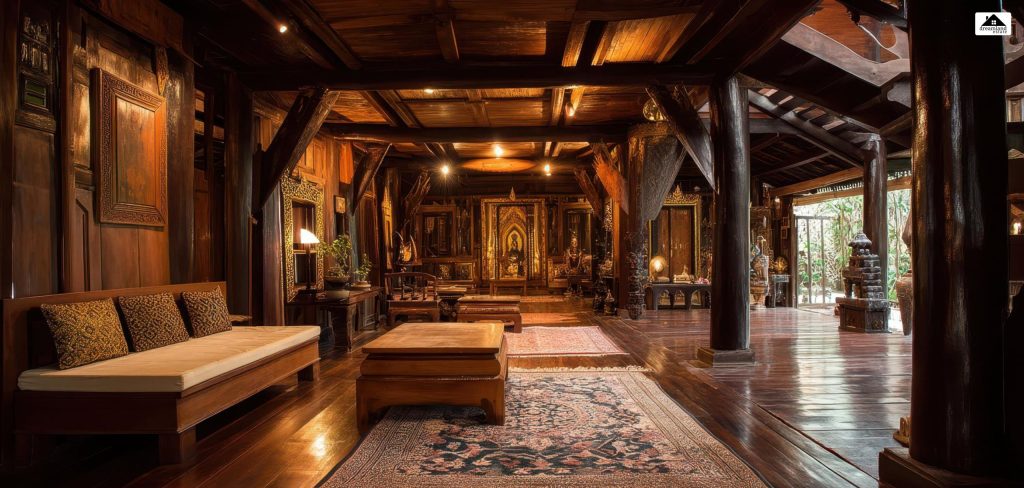
Traditional interiors are grounded in symmetry, craftsmanship, and timeless design principles.
This style draws inspiration from European and early American interiors, where balance and proportion were central to spatial planning.
In modern houses, traditional interiors are thoughtfully refreshed to avoid heaviness. Dark color palettes are replaced with lighter neutrals, warm creams, soft greys, and muted pastels.
Modern traditional interiors appeal to homeowners who value structure, familiarity, and long-term elegance.
The style feels reassuring and composed, making it ideal for homes designed to age gracefully rather than follow fleeting trends.
11. Transitional
Transitional design exists at the intersection of traditional warmth and contemporary clarity.
It blends classic proportions with clean-lined forms, resulting in interiors that feel balanced, versatile, and universally appealing.
Furniture silhouettes are streamlined but not stark think tailored sofas, simple profiles, and subtle curves.
Neutral palettes dominate transitional interiors, providing a calm foundation. Shades of beige, taupe, grey, and soft whites are layered with varied textures such as linen, leather, wood, and stone.
Decorative elements are restrained, allowing materials and craftsmanship to take center stage rather than ornamentation.
One of the greatest strengths of transitional interiors is their adaptability. They evolve easily with changing trends, making them a popular choice for modern homes where longevity and flexibility are priorities.
12. Maximalist
Maximalist interiors celebrate self-expression, storytelling, and visual richness. Unlike cluttered spaces, modern maximalism is intentional and curated, where every object contributes to a cohesive narrative.
This style thrives on layered colors, bold patterns, mixed materials, and collected décor. Walls may feature rich hues, wallpapers, or gallery-style art arrangements.
Furniture and textiles introduce contrast velvet next to linen, antiques paired with contemporary pieces, and global influences layered thoughtfully. Repetition of colors, motifs, or materials ensures harmony within abundance.
Modern maximalist interiors are deeply personal, reflecting the homeowner’s travels, tastes, and experiences.
When executed well, maximalism feels energizing rather than overwhelming, proving that “more” can be meaningful when guided by design discipline.
13. Scandinavian
Scandinavian interiors are rooted in the principles of simplicity, functionality, and light. Originating in Nordic countries with long winters, this style prioritizes bright spaces, practical layouts, and cozy elements that enhance everyday comfort.
White or light-colored walls reflect natural light, while pale woods such as birch and pine add warmth.
Furniture is minimal yet ergonomic, designed for daily use rather than display. Textiles wool throws, sheepskin rugs, and linen cushions introduce softness and tactile comfort.
Modern Scandinavian homes emphasize sustainability and craftsmanship, using eco-friendly materials and timeless designs.
The result is an interior that feels calm, efficient, and deeply livable, perfectly aligned with contemporary lifestyles.
14. Farmhouse
Farmhouse interiors celebrate comfort, tradition, and a strong connection to natural materials.
This style evokes rural living, where homes were designed for warmth, practicality, and family gatherings.
Exposed wooden beams, wide-plank floors, and neutral color palettes define the aesthetic.
Modern farmhouse design refines these elements by removing excess ornamentation. Clean lines, open layouts, and modern lighting replace overly rustic details.
Vintage-inspired furniture is balanced with contemporary finishes to avoid a dated appearance.
The appeal of farmhouse interiors lies in their approachable, family-friendly nature. They create spaces that feel lived-in, welcoming, and emotionally warm while still aligning with modern expectations of functionality and openness.
15. Americana
Americana interiors draw inspiration from heritage, craftsmanship, and classic American design.
This style values durability and authenticity, often featuring solid wood furniture, traditional patterns, and understated decorative details.
Color palettes lean toward warm neutrals, navy blues, deep reds, and earthy tones. Furniture pieces feel sturdy and timeless, designed to last generations.
In modern interpretations, Americana style is simplified ornate details are reduced, and spaces are opened up for a lighter feel.
Modern Americana interiors strike a balance between nostalgia and contemporary comfort, making them ideal for homeowners who appreciate history without sacrificing modern convenience.
16. Rustic
Rustic interiors emphasize the raw beauty of natural materials. Stone walls, reclaimed wood, exposed beams, and handcrafted elements create a sense of authenticity and grounding. This style often evokes cabins, lodges, and countryside retreats.
Modern rustic design softens traditional heaviness by lightening color palettes and introducing cleaner lines.
Open layouts, large windows, and modern amenities ensure comfort and functionality while preserving character.
The result is an interior that feels warm, organic, and honest, blending nature-inspired design with contemporary living standards.
17. Minimalist
Minimalist interiors focus on clarity, intention, and spatial calm. Rather than emptiness, minimalism emphasizes thoughtful curation keeping only what is functional or meaningful.
Neutral color palettes, simple forms, and uncluttered layouts define the style. Furniture is streamlined, often low-profile, and carefully proportioned to the space. Storage solutions are discreet, maintaining visual order.
Modern minimalism introduces warmth through texture wood grains, stone surfaces, and soft fabrics ensuring the space feels inviting rather than cold. This style is ideal for modern homes seeking tranquility and mental clarity.
18. Bohemian
Bohemian interiors are expressive, eclectic, and globally inspired. They feature layered textiles, earthy color palettes, and a mix of patterns, cultures, and eras. Natural materials, handmade décor, and artisanal details play a key role.
Modern bohemian design applies restraint to avoid visual chaos. Neutral foundations anchor the space, while curated décor adds personality. Balance is achieved through repetition of colors or textures.
Bohemian interiors celebrate individuality and creativity, making them perfect for homeowners who value freedom of expression within a thoughtful framework.
19. Mediterranean
Mediterranean interiors are inspired by coastal regions and historic architecture of Southern Europe.
They emphasize warmth, texture, and natural materials. Stucco walls, arches, terracotta tones, and stone surfaces define the look.
Modern Mediterranean interiors simplify decorative details and embrace lighter palettes. Open layouts and contemporary furniture make the style feel fresh rather than ornate.
This approach creates homes that feel inviting, timeless, and sun-soaked, blending tradition with modern ease.
20. French Country
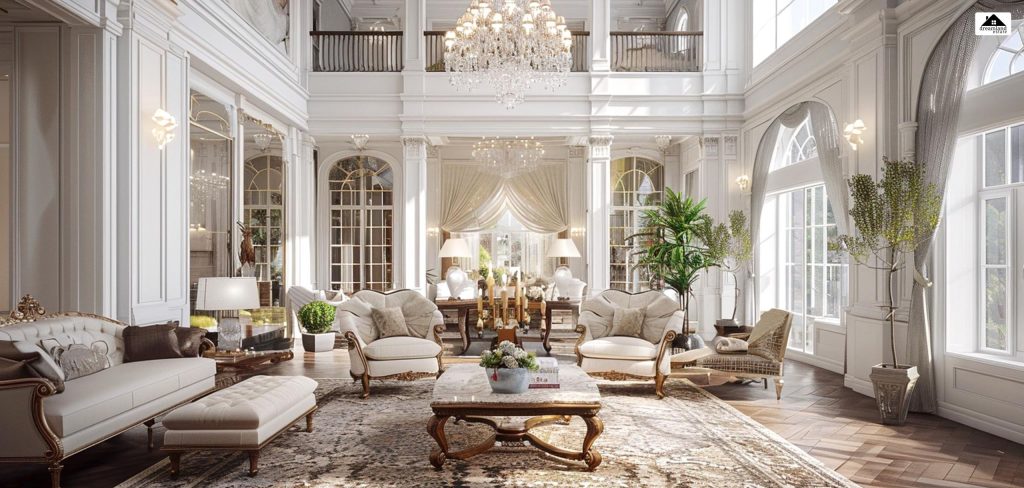
French Country interiors blend elegance with rustic comfort. Soft color palettes, curved furniture, and aged finishes create a relaxed yet refined atmosphere.
Modern adaptations lighten the look by simplifying patterns and reducing ornamentation. Neutral tones replace heavy florals, and layouts become more open.
The result is a romantic, welcoming interior that feels effortlessly graceful and livable.
21. Eclectic
Eclectic interiors combine diverse styles, eras, and influences within a single space. The key to success is balance repetition of colors, shapes, or materials ensures cohesion.
Modern eclectic homes feel curated rather than accidental. Each piece is chosen intentionally, creating a layered and personal environment.
This style suits homeowners who value creativity and individuality, offering endless flexibility.
22. 70’s Revival
70’s Revival interiors reintroduce warmth, curves, and tactile richness. Earthy tones like rust, olive, mustard, and brown dominate, paired with bold shapes and textured materials.
Modern updates refine these elements, toning down excess and focusing on proportion. The result feels nostalgic yet contemporary.
This style adds personality and depth to modern interiors without overwhelming them.
23. English Cottage
English Cottage interiors are cozy, romantic, and character-rich. Floral patterns, vintage furniture, and layered décor create warmth and charm.
Modern versions simplify patterns and brighten color palettes, preventing heaviness. Open layouts and modern lighting add freshness.
The style feels comforting and timeless, ideal for intimate living spaces.
24. Art Deco
Art Deco interiors celebrate luxury, geometry, and glamour. Bold forms, metallic accents, and rich materials such as marble and velvet define the style.
Modern Art Deco interiors apply restraint, using statement pieces lighting, furniture, or accents rather than full saturation.
This creates a refined, dramatic interior that feels sophisticated rather than overwhelming.
25. Modern Farmhouse
Modern Farmhouse merges rustic warmth with contemporary simplicity. Neutral palettes, black accents, and natural materials define the look.
Clean lines and modern layouts prevent the style from feeling overly rustic. Its versatility makes it suitable for a wide range of homes.
The style’s popularity stems from its balance of comfort, practicality, and modern appeal.
26. Contemporary
Contemporary interiors reflect current design sensibilities rather than a fixed historical style. They evolve constantly, embracing new materials, layouts, and technologies.
Clean lines, open spaces, and neutral foundations allow flexibility. Statement elements often change over time.
This adaptability makes contemporary interiors ideal for modern living.
27. Regency
Regency interiors emphasize symmetry, refinement, and luxury. Rich colors, elegant furniture, and polished finishes define the style.
Modern Regency simplifies detailing while preserving grandeur. Clean lines and lighter palettes ensure relevance.
The result is an interior that feels opulent yet controlled.
28. Coastal
Coastal interiors are light, airy, and inspired by nature. Soft blues, whites, and sandy neutrals create a relaxed atmosphere.
Modern coastal design avoids clichés, focusing instead on subtle textures and natural materials.
This creates calm, breathable spaces ideal for everyday living.
29. Grandmillennial
Grandmillennial style blends traditional décor with youthful energy. Vintage furniture, classic patterns, and modern colors coexist.
The contrast creates interiors that feel nostalgic yet fresh, bridging generations effortlessly.
30. Memphis
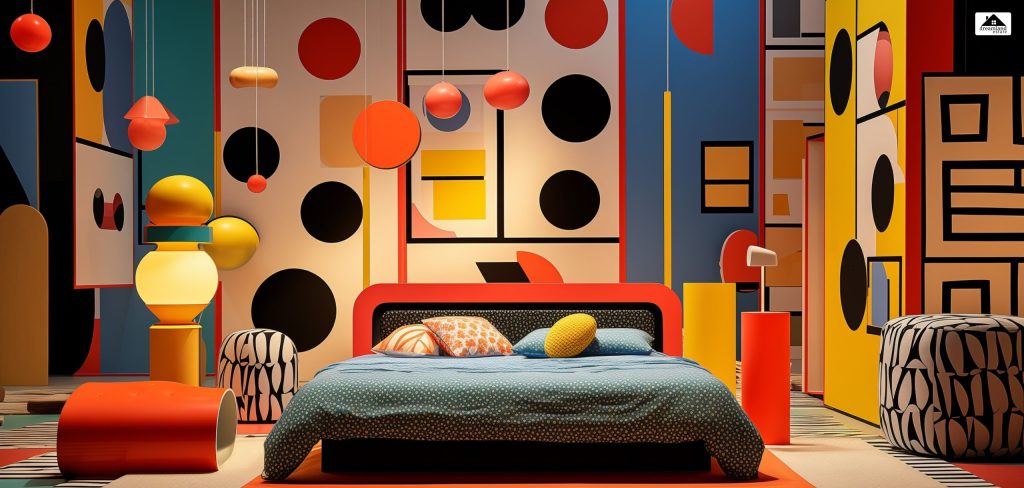
Memphis design is bold, graphic, and playful. Bright colors, geometric shapes, and unconventional patterns define the style.
In modern homes, Memphis elements are often used sparingly as accents, furniture, or art adding personality without overwhelming the space.
This approach keeps interiors energetic and contemporary.
Final Reflection
Modern house interiors are not about rigid rules or fleeting trends. They are about intentional living, thoughtful layering, and personal expression.
Whether your style leans toward quiet minimalism or expressive maximalism, understanding these design approaches empowers you to create a home that is not only visually compelling but deeply functional and meaningful.


Leave A Reply