



How Much Does It Cost To Buy A House: The Hidden Costs Of Buying A House They Don’t Tell You

Buying a house entails many hidden charges that could raise your final costs by over 10%.
Besides that, the running costs of a property are usually much higher than most people think.
So, it would be best to create a detailed budget that covers not only the purchase costs but also the long-term maintenance costs of your home.
How Much Does It Cost To Buy A House: A Quick Check!
Key Expenses to Prepare For:
- Stamp Duty is a government tax from 0% up to 15%.
- Down Payment: Most commonly 5% to 10% of the property price.
- Attorney’s Fees: About £ 1,800 for conveyancing and registration.
- Surveys & Mortgages: Maximum of £ 3,300 for valuations, documentation, and surveys.
- Moving & Insurance £524 to £1, 474 for movers and protection.
- Running Costs: Council tax, utilities, and routine maintenance.
The Consequences of Underbudgeting: Failing to account for these items accurately can be a major source of buyer’s remorse.
In fact, a HomeOwners Alliance Survey found that 37% of all UK buyers regret their purchase. This number rises to a worrying 63% among buyers aged 18-34.
Let’ Take A Look At How Much Does It Cost To Buy A House.
Buying a house requires significant cash reserves beyond the down payment.
Understanding these hidden upfront expenses helps prevent unexpected financial strain before closing day.
1. Property Tax Costs (Stamp Duty)
Costs: Budget for 0-15% of the Property’s Price
Taxes play a crucial role among the various house-buying expenses in 2026.
In fact, stamp duty is the most common additional cost you will encounter besides the home’s price.
Luckily, if you are buying a principal residence in England or Northern Ireland, properties up to £125, 000 are exempt from stamp duty.
The tax bands vary based on the property’s purchase price, but you will be charged an additional 5% if purchasing a second home.
| Purchase Price | Stamp Duty Bill |
|---|---|
| £200,000 | £1,500 |
| £300,000 | £5,000 |
| £400,000 | £10,000 |
Luckily, first-time homebuyers are rewarded with a sizeable reduction. You pay no stamp duty on properties up to £300, 000.
Properties priced between £ 300,001 and £ 500,000 are taxed only at 5% on the portion over £ 300,000.
Therefore, a first-time buyer will be able to save £ 5,000 on the purchase of a £ 300,000 home compared to a moving home buyer.
2. Your Down Payment
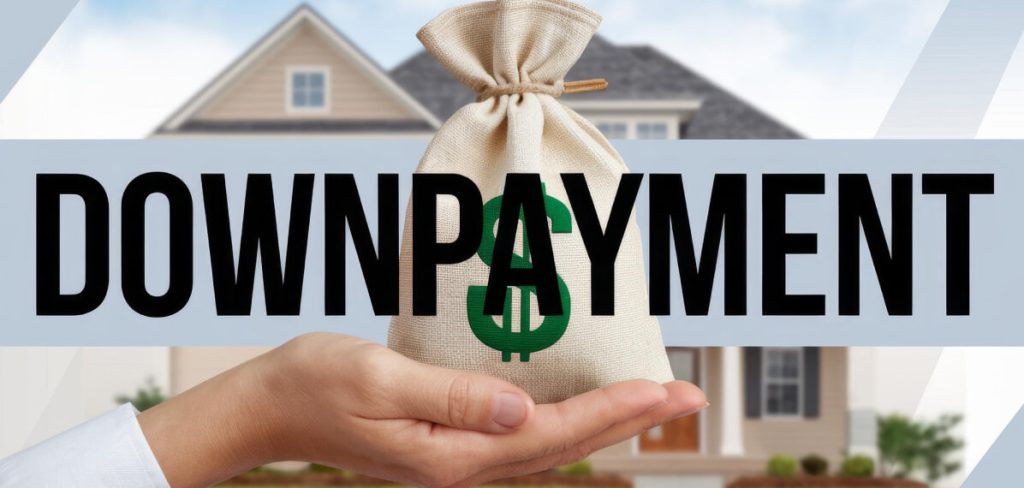
Costs: Budget Based on 0% to Your Property’s Value
Deposits are not really considered an additional fee. They are just the cash you have to provide first.
One of the most interesting things is that you can get a 100% loan if you cannot make a down payment.
On the other hand, having savings of at least 5% or 10% will grant you much better rates and access to a wider range of lenders.
For example:
- 5% Deposit: £15, 000 on a £300, 000 home
- 10% Deposit: £30, 000 on a £300, 000 home
- 15% Deposit: £45, 000 on a £300, 000 home
It is worth admitting that saving this money is quite a struggle. Actually, it is your biggest worry for most first-time buyers in the UK in 2025 (79%).
Luckily, the Lifetime ISA is one of the instruments that can help ramp up your savings rate.
Also, if you are selling your home at the same time, you may be able to use the equity built up in your existing house.
This is instead of cash as the funds for the purchase of your next home in 2026.
3. Legal and Solicitor Fees
Costs: You should plan for a budget of around £1, 800
Conveyancing is the legal work involved in purchasing a home, and among the costs associated with buying a property in 2026, solicitor fees will be a significant part.
Usually, the cost of legal services is broken down into two components.
The first is the fee for the solicitor’s services, which is normally between £500 and £ 1,150.
Then, you have to pay disbursements, which are expenses for local authority searches, usually between £250 and £450.
Besides that, you will have to pay about £200 to £300 to record your ownership in the Land Registry.
Bear in mind that actual prices will be influenced by the worth of your property. Also, a leasehold property generally incurs around £300 more than a freehold one.
On top of that, if you’re buying and selling a house concurrently, do not forget to allocate some funds for legal fees associated with the sale!
4. Home Inspection and Survey Charges
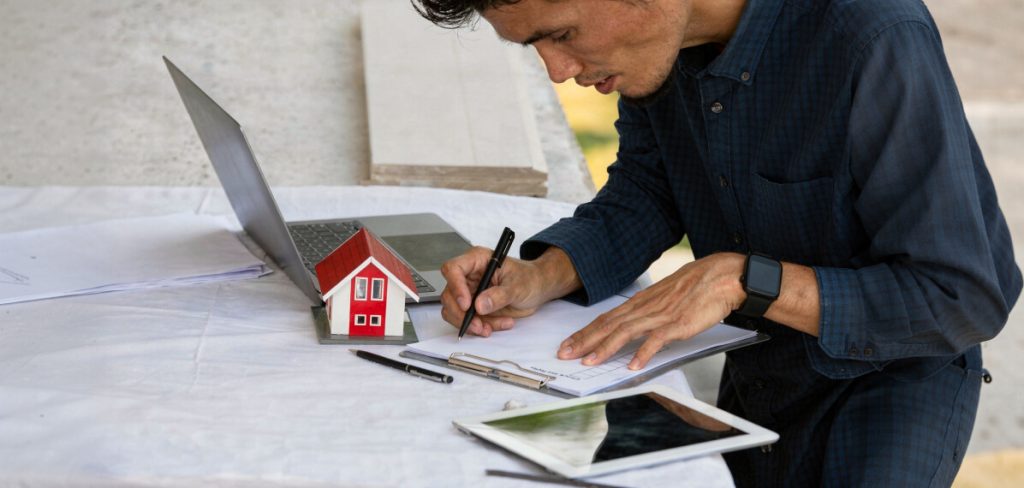
Costs: Set aside between £300 and £1, 500 for this
Engaging a professional surveyor to assess your prospective home is a wise decision.
Although it increases your expenses when buying a house in 2026, it shields you from unexpected and costly problems later on.
In fact, if the report reveals issues, you might even negotiate a lower price based on that information!
Ultimately, your total price will be based on the kind of survey you decide to go for:
· RICS Level 1 Survey (£300-£900)
This is the most elementary type of inspection. It points out the most urgent visible problems and is ideal for normal, recently built houses.
· RICS Level 2 Survey (£400-£1,000)
This widely chosen option covers the general condition of the property. Besides, it provides guidance on essential repairs.
· RICS Level 3 Survey (£630-£1,500)
This comprehensive structural examination offers a very thorough understanding.
Accordingly, it is very suitable for very old houses (over 50 years old) or those in very poor condition.
5. Loan Handling and Arrangement Costs
Costs: budget up to £1, 500
Moving on to mortgage lender fees, banks usually charge you these upfront arrangement fees in order to offer you their best interest rates.
Typically, these fees will be in the £500 to £1,500 range.
This will be something you need to factor into your 2026 house purchase costs.
Fortunately, you can decide how you want to pay
- Pay upfront: This way, interest won’t accrue on the fee over time. Also, check whether this amount is refundable in case the sale doesn’t go through.
- Include it in the mortgage: This option minimizes your out-of-pocket expenses right now, but you will end up paying interest on the loan, including this fee, for a long time.
Sometimes, it makes sense to pay a higher fee in order to secure a lower rate, but not always.
So, talking to a broker who does not charge a fee and can quickly do the math for you would be wise.
6. Property Valuation Fees

Costs: Allow up to £300 for a mortgage valuation survey.
Whenever you request a loan, your lender will get a mortgage valuation survey done as part of their risk assessment process.
In short, this survey is primarily for the bank’s advantage. It just verifies if the property is really worth the amount of money they are lending to you.
So, it is a necessary cost to plan for your house-buying expenses in 2026.
These are the things that you should know about the cost:
- Complimentary options: Fortunately, many lenders will not charge a single cent for this service.
- Typical prices: On the other hand, if they do require a fee, the amount depends on the property’s size. Generally, this price does not exceed £300.
7. Fees for Loan Advisors
Costs: Budget ranges from £0 to £1,000s.
There is nothing wrong with buying a house, but at some point,t you would probably ask yourself: how much does it cost to buy a house? And what about the broker fees?
Planning for this could cost anywhere from £0 to thousands of pounds.
Mortgage brokers sometimes take a large fee, in fact,ct sometimes as much as 1% of the loan.
You can quite easily avoid this additional cost, though. Our great advice is to go for a no-fee broker. They will still be able to find the best mortgage deal for you among many lenders.
8. Real Estate Agency Charges
When you start calculating the cost of buying a house, keep in mind that sellers normally pay the estate agent’s fees.
Yet, there are some exceptions that can be very confusing. Firstly, if you purchase a house through a modern online auction, you must pay a reservation fee.
This can add around £ 6,000 or more to the house price.
Secondly, if you hire a personal buying agent to find and negotiate the house you want, that will cost you about 1% to 3% of the price.
On top of that, never let yourself be forced to use the estate agent’s in-house mortgage services.
Lastly, if you will be selling your old house simultaneously, make sure you have additional selling fees in your budget!
9. Packing and Moving Expenses

Costs typically range from £450 to £1,400
When you are figuring out the price of a house, consider expenses related to moving day as well.
If you are lucky enough to have helpful friends, you may not have to pay to move your things.
Still, professional removal costs can range from £450 to £ 1,400, according to typical price estimates.
A 10-mile move in the country costs approximately £450 for a small flat as a base price, but rises for a big five-bedroom house, Reallymoving.com says.
Of course, your specific price will depend on your property’s size and how far you are moving.
To find out how much the removal will cost, it is very easy to use our removals cost calculator on our website.
10. Purchase Protection Cover
Unfortunately, 1 out of 3 property transactions doesn’t get through.
Due to this risk, figuring out a way to shield yourself is one important aspect of the question of how much does it costs to buy a house.
The cost of Home Buyer Protection Insurance for a property at a very minimum level is £74, and it potentially saves a substantial amount of money on your part.
If the purchase of your house falls through for any reason, this clever agreement allows you to get your money back.
This money is what you have spent on attorney’s fees, surveys, and mortgage valuation expenses, without any hardship.
Most importantly, it helps you keep calm in a very tough moment.
11. Life Insurance Costs
Among the expenses you need to consider each year when determining the total price of purchasing a house, life insurance plays a big part.
This is a form of policy that can provide your family with the financial help they need to pay off the mortgage in case you die.
However, before you put your signature on the dotted line, make sure you are not being charged hidden commission fees or cancellation charges.
One way to ensure you get the best deal is to always shop around.
12. Property And Belongings Insurance
One more thing to consider when deciding how much does it costs to buy a house is insurance. This often costs hundreds or thousands of pounds annually.
At first, building insurance will pay for the restoration of major damage, such as a fire.
Usually, lenders ask you to have this by the day you sign the contract at the latest.
However, if you are purchasing a leasehold, the freeholder will typically arrange this through your service charge.
Also, contents insurance covers your personal property against theft. Always compare different providers and offers to secure the best deal.
Unforeseen And Extra Moving Fees
When calculating how much does it costs to buy a house, keep in mind that you might come across some sneaky hidden expenses.
- For starters, you will need to get a few pieces of furniture and white goods, such as a bed and a fridge.
- One of the easiest ways to save some money is by getting second-hand items, but going for new ones can blow up the cost by thousands.
- Plus, most houses don’t look perfect at first, so be prepared for redecorating and minor repair costs.
- Although DIY will save you some money, you can also use our helpful tool to find trusted local builders for such extra work.
- Lastly, do not overlook smaller details that often get forgotten.
These may include annual street parking permits, visitor permits, mail redirection, or professional deep cleaning before you get your keys.


Leave A Reply