





Everything You Need To Know About Buying A Holiday Home And Maximizing Your Rental Income

Buying a holiday home: is it worth the investment?
Are you dreaming of a second home by the sea? Or perhaps you are looking for the best holiday let investment in a busy tourist spot?
Either way, buying a holiday home is a major financial commitment that requires careful thought.
While the idea of owning a getaway property is exciting, it is vital to consider the facts before taking the plunge.
To help you make the right choice, here is a simple, honest guide.
Quick Overview: The Bright Side: The Pros
There are many wonderful reasons why people choose to invest in a holiday property:
- A familiar escape: Owners get a permanent home away from home in a favorite location that the whole family can enjoy.
- Hassle-free travel: It allows for a relaxing holiday without the stress, long queues, and high expenses of foreign travel.
- Extra income: Owners can generate a steady rental income by letting the property out to tourists over its lifetime.
- Growing wealth: The property serves as a solid capital asset that should appreciate over the long term.
Quick Overview: The Reality Check: The Cons
On the other hand, owning a holiday home also comes with significant challenges and hidden costs:
- High purchase price: Buying a property in a popular tourist area is often very expensive upfront.
- Large deposits: Buyers usually need to provide a massive deposit of at least 25% to secure a mortgage.
- Extra taxes: There are heavy tax burdens to consider, such as the stamp duty surcharge and higher-rate council tax.
- Endless bills: Ongoing costs such as maintenance, utilities, insurance, and management agency fees average more than £7,500 every year.
- Heavy responsibilities: Owners are fully responsible for security and upkeep. Furthermore, landlords must comply with strict health, safety, and fire regulations.
- Guest management: Dealing with guests can be stressful because someone must always be on call for emergencies like broken boilers or lost keys.
Why Are You Buying A Holiday Home?
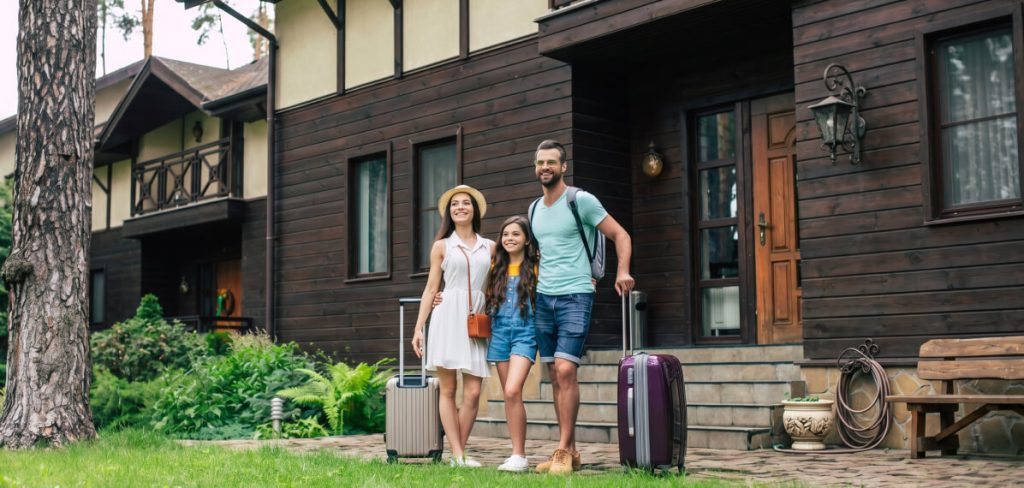
First of all, buyers should have a very clear idea of what they want before they embark on the property search.
For example, some people look for a family retreat but then decide to rent it out.
This change is going to affect everything. They may decide not to look for a cute cottage with a garden for the dogs, but rather stretch the budget and get a big townhouse that only attracts the tourists.
As a result, the property becomes a great place for the visitors. However, it does not satisfy the owner’s needs.
Hence, if the purpose of buying a holiday home is purely personal, the owners should question whether they will still love spending their vacations in the same place after several years.
Besides, they should consider the arrangements to be made when the house is unoccupied.
On the other hand, if the property is seen as a holiday let investment, numbers should be the deciding factor.
Apart from the purchase price, buyers must factor in maintenance costs and other bills.
At the end of the day, the major question one must ask is: will the property pay for itself and provide a good return on investment?
Understanding Holiday Home Mortgages
When considering buying a holiday home, the first big question is always about the budget.
If cash is not an option, a specialist home loan is necessary because standard mortgages will not work here.
First, for properties intended purely for family use, a second-home mortgage is the right choice.
However, if the plan involves renting it out to tourists, a specific holiday let mortgage is required.
This type of loan is unique because lenders consider projected rental income rather than steady monthly rent.
In both cases, buyers must meet strict criteria. For example, a deposit of at least 25% is mandatory.
Additionally, lenders usually require a personal income of £20,000 to £40,000 per year.
Lastly, the expected rental income must comfortably cover 125% to 145% of the mortgage repayments to clear the safety margin.
Choosing the Best UK Holiday Home Location
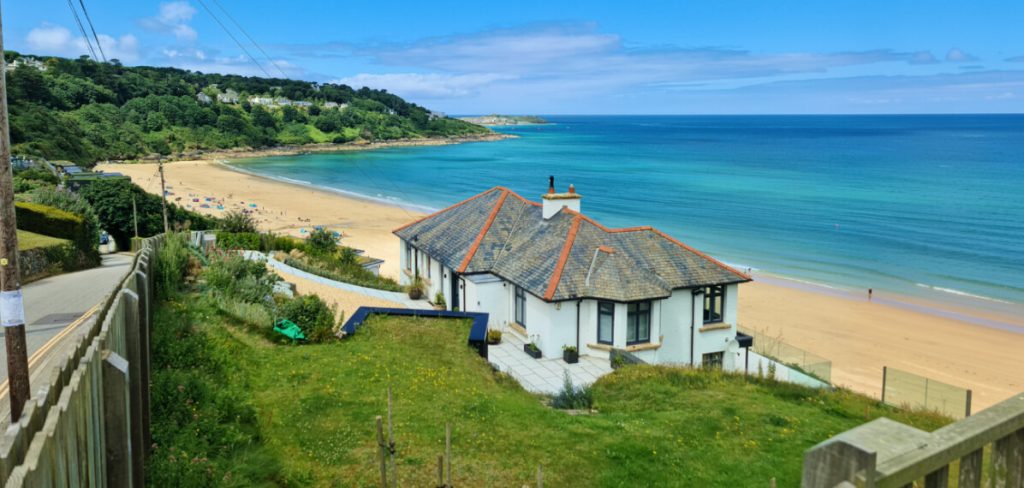
If you are thinking of buying a holiday home that you will only use personally, consider places that will remain attractive for your visits in the long run.
You should also consider checking out nearby areas offering better-value housing in Cornwall; for example, it officially has an average price of £ 290,000.
Whereas beautiful beaches in Gwynedd are priced at an average of only £199,000.
On the other hand, for a holiday let, the main focus should be on visitor demand and a good earning potential.
Make sure your prospective property has year-round visitor attractions, excellent transport links, its own parking space, and is not overcrowded with local rental competition.
For instance, a cottage in the center of the town is a perfect match with shops, but the lack of garden space can be a problem for dog owners.
In the end, don’t forget to check local restrictions first.
As most councils are making regulations tougher, buyers will probably need extra planning permission and will also be subject to higher council tax bills.
Earning Potential From A Holiday Let
One of the main motivations for purchasing a holiday home is the great potential for a high return.
On the downside, high operating expenses may significantly reduce profits. Here is a rundown of what you might be dealing with:
- Average Earnings: Official figures indicate that the average holiday rental in the UK earns roughly £ 24,500 a year.
- Top Regions: Houses in highly frequented areas such as Cumbria, Cornwall, and North Yorkshire command considerably higher prices.
- Hidden Traps: Less attractive seasons mean that properties remain vacant mostly in the winter, while the costs of cleaning do not drop.
- Wear and Tear: Due to the continual change of guests, the furnishings, mattresses, and kitchens will need frequent replacements, which will be costly.
In the end, covering these charges becomes impossible if the budget is stretched too thin on an oversized property.
Therefore, opting for a smaller house helps keep running costs more manageable.
Top UK Earning Spots For Holiday Homes
When buying a holiday home to generate rental cash, location is everything.
According to industry data, popular year-round destinations bring in the highest profits.
Specifically, charming villages in the Lake District and the Cotswolds completely dominate the top spots.
To help look for the best investment, here is a simple breakdown of the highest-earning locations across the UK:
| Location | Region | Average Annual Income |
|---|---|---|
| Grasmere | Cumbria | £43,200 |
| Bourton-on-the-Water | Cotswolds | £40,400 |
| Stow-on-the-Wold | Cotswolds | £40,000 |
| Coniston | Cumbria | £36,100 |
| Crantock | Cornwall | £35,600 |
| Southwold | Suffolk | £35,400 |
| Burford | Cotswolds | £34,600 |
| Castleton | Derbyshire | £34,500 |
| Bowness-on-Windermere | Cumbria | £34,450 |
| Carbis Bay | Cornwall | £34,200 |
(Data Source: Sykes Holiday Letting Outlook Report)
Consequently, focusing the property search on these high-demand tourist hotspots can significantly boost chances of rental success.
The Hidden Running Costs of Holiday Homes
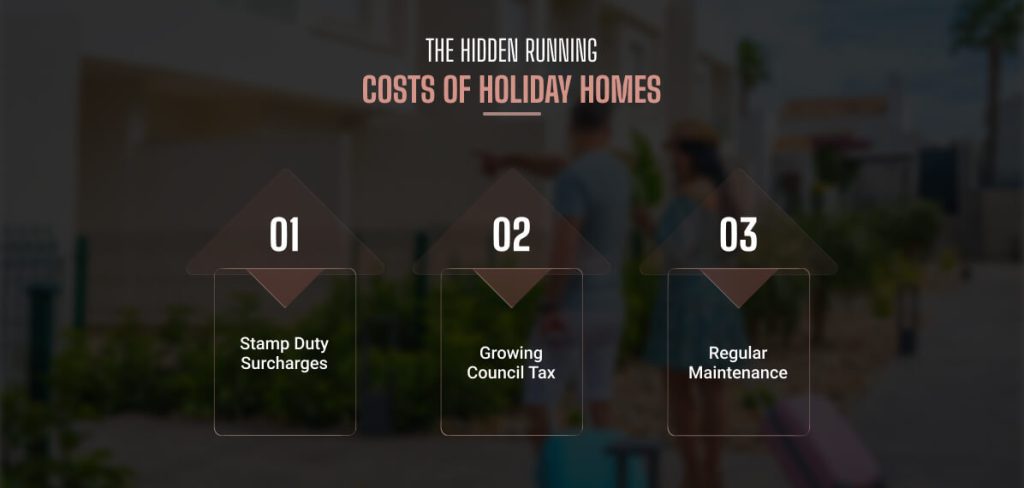
When purchasing a holiday home, it is essential to plan for additional expenses. Surprisingly, the average annual cost of running a holiday let is approximately £ 7,500.
This amount covers maintenance, advertising, utility bills, and complicated taxation.
The following table presents the key costs you should anticipate:
- Stamp Duty Surcharges: Second property buyers in England and Northern Ireland will be charged an additional 5% stamp duty on top of the basic rates.
- Growing Council Tax: Although local councils have the power to double standard council tax bills, offering the property for rental for at least 70 nights per year will make owners eligible for business rates instead.
- Regular Maintenance: Decorating a house, cleaning it regularly, and paying platform fees like Airbnb will greatly reduce earnings.
Finding the Perfect Holiday Home for Sale
The search for a holiday home starts the same way as for any other property.
First of all, it is a good idea to look at major real estate websites like Rightmove and Zoopla to get a sense of what is available in the area.
After that, take a trip to popular holiday destinations and talk with local realtors.
You will benefit from their knowledge of the local market in this way.
Besides that, you can also look at the specialist sites such as Darwin Escapes or Sykes Cottages, which often feature holiday homes and lodges for sale.
At the end of the day, owning a second property is great, but it can sometimes be like working a second job.
The Reality of Owning a Holiday Home
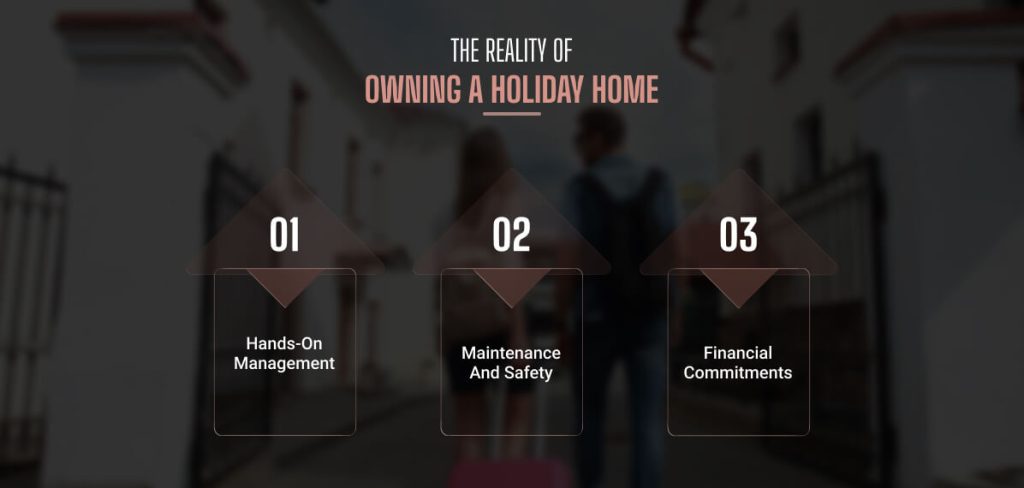
Keeping your dream of a holiday home aside, it is only fair that you look at the true situation and be aware of it beforehand.
It is not just about relaxing; ownership brings real responsibilities.
1. Hands-On Management
Employing letting agents to handle bookings will cost you 15% to 25% of your revenue.
On the other hand, if you choose to manage it yourself, you will save a lot of money but will also need to dedicate a lot of your time to it.
2. Maintenance And Safety
You must be prepared to have a reliable local cleaner and a handyman you can rely on to handle unexpected repairs.
You also have to make sure that annual gas checks, smoke alarms, and specialist insurance are mandated by the law.
3. Financial Commitments
Owning a second home is equivalent to having a second set of never-ending utility bills, taxes, and mortgage payments.
Most importantly, you still need to consider the budget during the quiet low seasons and guest damage that may occur.




Leave A Reply