





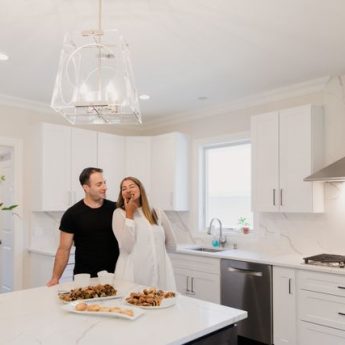
Declutter Your Life, Elevate Your Space: Minimalist Home Decor
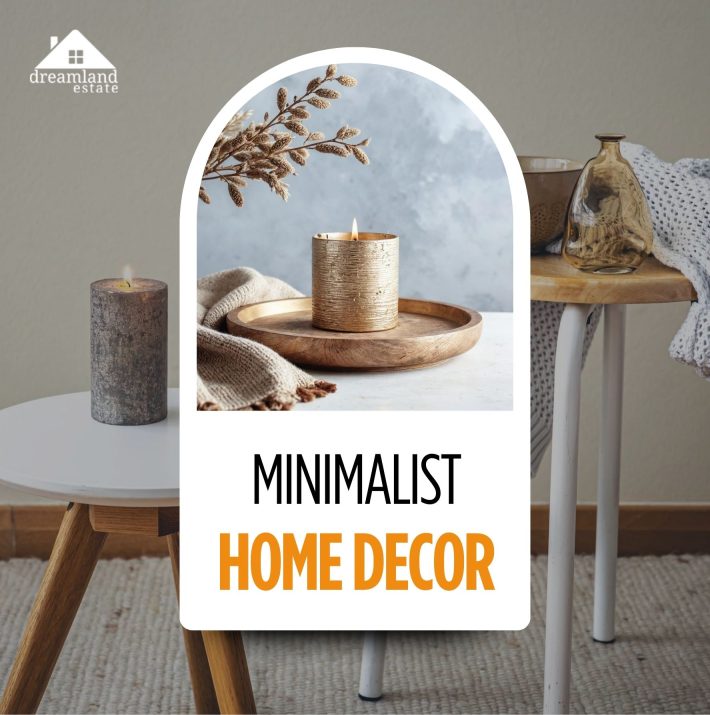
In today’s fast-paced world, many people are seeking ways to simplify their lives and create peaceful living environments. One design philosophy that has gained immense popularity is minimalist home decor.
This approach focuses on removing unnecessary clutter, keeping only meaningful items, and designing spaces that feel calm, functional, and visually balanced.
Minimalist home decor is not just a design trend it is a lifestyle philosophy that encourages intentional living.
By prioritizing simplicity and functionality, homeowners can create environments that support relaxation, productivity, and mental clarity.
This detailed guide explores the principles of minimalist decor, its benefits, practical ways to achieve it, and how anyone can transform their home into a serene and stylish space.
Understanding Minimalist Home Decor
Minimalist home decor revolves around the idea that less is more. Instead of filling spaces with decorative objects, the minimalist approach emphasizes:
- Clean lines
- Open spaces
- Neutral color palettes
- Functional furniture
- High-quality essentials
The philosophy is closely influenced by Japanese design traditions, particularly concepts such as Zen and Wabi-Sabi, which celebrate simplicity, balance, and natural beauty.
Minimalism also gained global recognition through modern interior design movements influenced by the Bauhaus, which promoted functionality and simplicity in architecture and furniture design.
Why is Minimalist Decor Becoming So Popular?
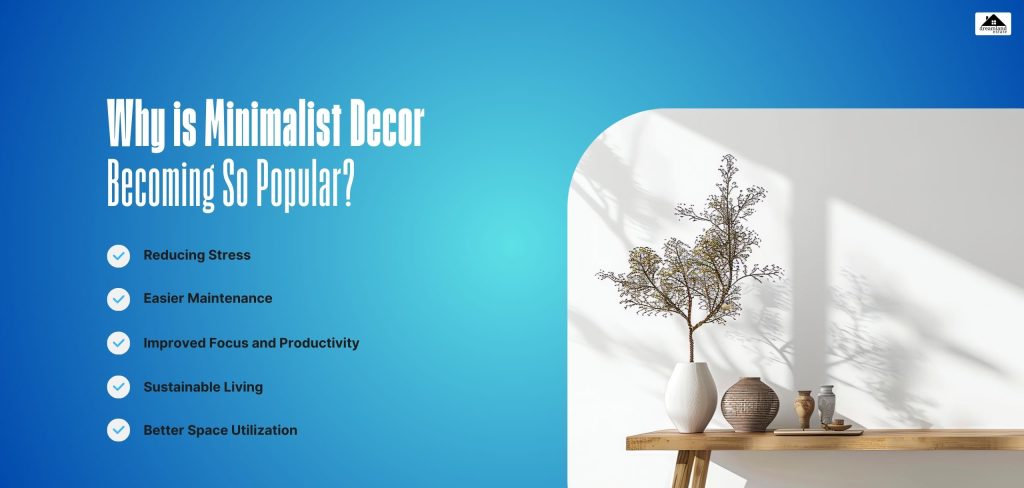
Minimalist home decor has gained widespread appeal due to several modern lifestyle changes.
1. Reducing Stress
Cluttered spaces can make people feel overwhelmed. Minimalist interiors create calm environments that promote relaxation and mental clarity.
2. Easier Maintenance
Homes with fewer items are easier to clean and maintain.
3. Improved Focus and Productivity
Minimalist environments reduce distractions, making them ideal for home offices and study spaces.
4. Sustainable Living
Minimalism encourages people to buy fewer but higher-quality items, which supports environmentally responsible consumption.
5. Better Space Utilization
Minimalist layouts maximize functionality, making them perfect for smaller homes and apartments.
Core Principles of Minimalist Home Decor
To create a minimalist home, it is important to understand the key design principles that guide this style.
1. Decluttering Your Space
The first step toward minimalist living is decluttering. This process involves removing items that no longer serve a purpose or bring joy.
Popular decluttering techniques include those popularized by organizing experts such as Marie Kondo, whose methods focus on keeping only meaningful possessions.
Tips for effective decluttering:
- Start with one room at a time
- Donate or recycle unused items
- Keep surfaces clear
- Avoid impulse purchases
Decluttering helps create physical and mental space.
2. Neutral Color Palettes
Minimalist homes often rely on calming, neutral color schemes.
Common colors include:
- White
- Beige
- Soft gray
- Light brown
- Cream
These shades make rooms feel more open, airy, and peaceful. Accent colors can still be used, but they should be applied sparingly.
3. Functional Furniture
In minimalist design, every piece of furniture must serve a clear purpose.
Instead of filling rooms with multiple items, minimalist interiors focus on quality over quantity.
Examples include:
- Multi-functional sofas
- Storage beds
- Extendable dining tables
- Compact work desks
Furniture should combine practicality with elegant design.
4. Clean Lines and Simple Shapes
Minimalist decor emphasizes simple geometric forms.
Common features include:
- Straight lines
- Smooth surfaces
- Simple silhouettes
- Uncluttered layouts
This approach creates a balanced and harmonious visual environment.
5. Natural Materials
Natural materials add warmth and texture to minimalist spaces.
Popular materials include:
- Wood
- Stone
- Linen
- Cotton
- Bamboo
These elements prevent minimalist interiors from feeling cold or sterile.
Minimalist Decor Ideas for Every Room
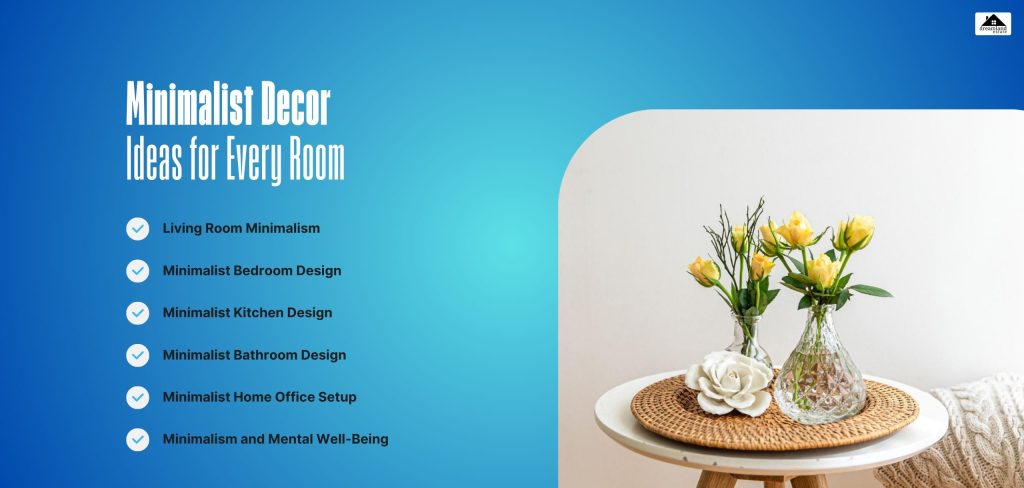
Minimalism can be applied throughout the home while maintaining comfort and personality.
1. Living Room Minimalism
The living room should feel spacious and welcoming.
Key elements include:
- A simple sofa with neutral upholstery
- A single coffee table
- Minimal wall art
- Hidden storage solutions
Large windows and natural lighting help enhance the sense of openness.
2. Minimalist Bedroom Design
Bedrooms should be peaceful retreats.
Minimalist bedrooms typically include:
- A comfortable bed with neutral bedding
- One or two nightstands
- Soft lighting
- Minimal decorative elements
Keeping the bedroom clutter-free promotes better sleep and relaxation.
3. Minimalist Kitchen Design
Minimalist kitchens emphasize organization and efficiency.
Key features include:
- Clean countertops
- Organized cabinets
- Built-in appliances
- Neutral color schemes
Open shelving can display a few carefully selected kitchen items while maintaining a tidy appearance.
4. Minimalist Bathroom Design
Bathrooms can also benefit from minimalist principles.
Simple upgrades include:
- Neutral tiles
- Floating vanities
- Hidden storage cabinets
- Soft lighting
The goal is to create a spa-like environment that encourages relaxation.
5. Minimalist Home Office Setup
With remote work becoming more common, minimalist home offices are increasingly popular.
Essential elements include:
- A simple desk
- An ergonomic chair
- Minimal desk accessories
- Organized cable management
Reducing distractions helps improve concentration and productivity.
6. Minimalism and Mental Well-Being
Minimalist design is closely linked to mental wellness.
Research suggests that organized and uncluttered environments can improve mood and reduce anxiety.
The calm visual environment created by minimalist decor encourages mindfulness and relaxation.
This aligns with broader lifestyle movements such as intentional living, which focus on prioritizing meaningful experiences over material possessions.
Common Misconceptions About Minimalism
Despite its popularity, minimalism is often misunderstood.
1. Minimalism Is Not Empty or Cold
Minimalist homes can still feel warm and inviting when natural textures and soft lighting are used.
2. Minimalism Does Not Mean Owning Nothing
Minimalism encourages keeping items that are useful or meaningful.
3. Minimalism Is Not Only for Modern Homes
This design philosophy can be applied to traditional interiors as well.
Practical Steps to Start Your Minimalist Journey
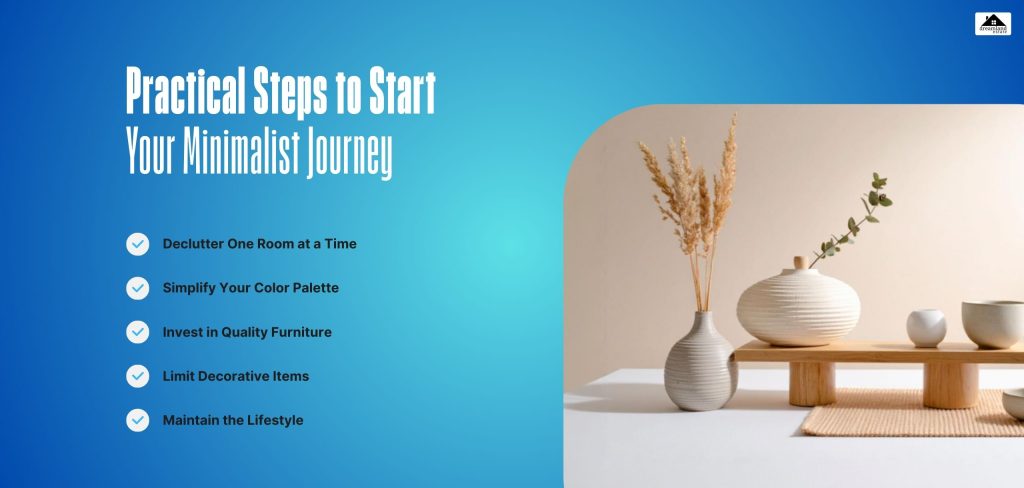
If you want to transform your home into a minimalist sanctuary, follow these steps.
Step 1: Declutter One Room at a Time
Avoid overwhelming yourself by focusing on small areas first.
Step 2: Simplify Your Color Palette
Choose calming colors that create visual harmony.
Step 3: Invest in Quality Furniture
Select durable pieces that serve multiple purposes.
Step 4: Limit Decorative Items
Keep only a few meaningful decor elements.
Step 5: Maintain the Lifestyle
Regularly reassess possessions to prevent clutter from returning.
The Future of Minimalist Home Decor
Minimalism continues to influence modern architecture and interior design.
Future trends may include:
- Smart storage solutions
- Sustainable furniture materials
- Compact living spaces
- eco-conscious design practices
As urban living spaces become smaller and lifestyles become busier, minimalist design will likely remain a popular choice for homeowners seeking simplicity and balance.
FAQs
Here are a few questions and queries on the topic of minimalist home decor, that others have asked that might be helpful for you at the same time.
1. What is minimalist home decor?
Minimalist home decor is a design approach focused on simplicity, functionality, and uncluttered spaces, using minimal furniture and neutral colors.
2. Is minimalist decor expensive?
Not necessarily. While some high-quality furniture pieces may cost more, minimalism often reduces spending because fewer items are purchased overall.
3. How do I start decluttering my home?
Start by removing items you rarely use or no longer need. Donate, recycle, or store them elsewhere.
4. Can minimalist homes still feel cozy?
Yes. Using warm lighting, natural textures, and comfortable furniture can create cozy minimalist spaces.
5. What colors work best in minimalist interiors?
Neutral tones such as white, beige, gray, and soft earth colors are most commonly used.
6. Is minimalist decor suitable for small apartments?
Minimalist design is especially beneficial for small spaces because it maximizes functionality and creates a more open feel.
Final Thoughts
Minimalist home decor offers a powerful way to simplify life and create beautiful, functional living spaces.
By removing clutter, focusing on quality essentials, and embracing simplicity, homeowners can design environments that promote peace, productivity, and well-being.
Whether someone lives in a small apartment or a spacious house, adopting minimalist principles can transform their home into a calm and inspiring sanctuary.
Ultimately, minimalist decor reminds us that true beauty often lies in simplicity and sometimes the most meaningful transformation begins by letting go of the unnecessary.




Leave A Reply